

TL;DR:
- Yacht registration choices in 2026 are driven by environmental compliance, transparency, and digital processing needs.
- San Marino, Malta, and Poland are trending due to faster, digitally supported processes and EU recognition.
- Owners should select registration based on vessel usage, destination, and compliance requirements to avoid operational issues.
Choosing the right yacht registration jurisdiction has never been more consequential. In 2026, new environmental mandates, digital documentation requirements, and shifting flag-state policies are forcing yacht owners and operators to rethink strategies they’ve relied on for years. The jurisdictions that were easy choices five years ago may now carry hidden compliance burdens, while newer options like San Marino are gaining serious traction. Whether you manage a single recreational vessel or a fleet of commercial yachts, understanding what’s changing and why will determine whether your registration works for you or against you this year.
Table des matières
- What drives yacht registration choices in 2026?
- Trending yacht registration jurisdictions and options
- Comparing yacht registration options: compliance, cost, and process
- Situational recommendations: which yacht registration path fits your needs?
- A fresh take: why registration trends matter more than ever for yacht owners
- Streamline your yacht registration process with expert guidance
- Frequently asked questions
Principaux enseignements
| Point | Détails |
|---|---|
| New compliance standards | Owners must navigate stricter environmental and transparency rules for yacht registration in 2026. |
| Top registration jurisdictions | San Marino, Malta, and Poland stand out for their streamlined processes and global compatibility. |
| Cost comparison matters | Registration fees, hidden costs, and required documents vary significantly between countries, so careful comparison is essential. |
| Tailored recommendations | Your vessel’s usage, ownership structure, and destination shape the best registration path for long-term compliance. |
| Expert resources | Specialist guides and checklists help ensure a smooth and compliant registration process in 2026. |
What drives yacht registration choices in 2026?
Registration decisions have always involved trade-offs between cost, speed, and legal standing. But in 2026, the weight of each factor has shifted considerably. Environmental compliance, beneficial ownership transparency, and digital processing capabilities now sit at the top of every serious owner’s checklist.
Here are the primary factors shaping registration decisions this year:
- Environmental regulations: Flag states are adopting stricter emissions and waste management standards aligned with IMO (International Maritime Organization) directives. Non-compliant vessels face port detentions and fines.
- Ownership transparency: Many jurisdictions now require detailed beneficial ownership disclosures. This affects corporate-held yachts especially.
- Processing speed: Owners operating globally need registration certificates fast. Delays can mean missed charters and port access problems.
- Cost predictability: Beyond initial fees, owners want to know exactly what ongoing compliance costs look like year over year.
- Flag-state support: A responsive maritime authority matters when you need documentation updated quickly or face an inspection.
Compliance standards for yacht registration are tightening due to environmental and safety regulations, which means owners who haven’t reviewed their registration status recently may be operating under outdated assumptions. The gap between what was acceptable in 2023 and what’s required in 2026 is wider than most people realize.
Another trend reshaping criteria is the rise of digital-first registration platforms. Jurisdictions that have invested in online portals and electronic certificate issuance are pulling ahead. Owners no longer want to courier original documents across time zones. They want secure digital records they can access from anywhere.
Meeting efficient registration requirements is now a baseline expectation, not a premium feature. If your current flag state can’t deliver that, it’s worth asking whether it’s still the right fit.
Pro Tip: Before renewing your current registration, request a full compliance audit from your maritime advisor. New 2026 rules may require updated safety certificates, revised crew documentation, or additional environmental disclosures that weren’t part of your last renewal cycle.
Trending yacht registration jurisdictions and options
Not all flag states are created equal, and 2026 is making that clearer than ever. Three jurisdictions are standing out for very different reasons: San Marino, Malta, and Poland.
Saint-Marin is perhaps the most surprising entry on any trending list, given that it’s a landlocked country. But its registration framework has attracted significant attention because of its streamlined process, low bureaucratic overhead, and international recognition. Owners report faster turnaround times compared to traditional maritime nations, and the flag carries solid standing in European and Mediterranean ports.
Malte remains a powerhouse in European yacht registration. Its EU membership gives registered vessels access to EU waters without the complications that non-EU flags face. Malta’s maritime authority has also upgraded its digital infrastructure, making the process more transparent and trackable. For owners who charter in Mediterranean waters, Malta continues to be a top-tier option.

Pologne is emerging as a cost-effective alternative for owners seeking EU-recognized registration without Malta’s premium pricing. Polish registration has become more accessible to international owners, and its compliance framework aligns well with EU maritime directives.
Key advantages trending in 2026 across these jurisdictions:
- Faster digital processing and electronic certificate delivery
- Clear fee structures with fewer surprise charges
- Strong port recognition across Europe, the Mediterranean, and beyond
- Alignment with updated IMO environmental standards
“Certain jurisdictions are offering faster registration processes and increased transparency to attract international yacht owners.”
What’s notable is that the shift isn’t just about which flag looks good on paper. Owners are prioritizing jurisdictions where the registration experience itself is smooth, predictable, and digitally supported. The San Marino, Malta, Poland guide breaks down exactly what each option offers in practical terms, including timelines and documentation requirements.
One risk to watch: some jurisdictions that were popular five years ago are now struggling to update their frameworks fast enough to meet new international standards. Owners registered under these flags may face increased scrutiny at ports that prioritize compliance verification.
Comparing yacht registration options: compliance, cost, and process
A side-by-side look at the leading options helps cut through the noise. The table below summarizes key differences for 2026 across the most popular jurisdictions.
| Jurisdiction | Compliance level | Estimated initial cost | Processing time | EU access |
|---|---|---|---|---|
| Malte | Very high | $1,500 to $3,000 | 2 to 4 weeks | Oui |
| Saint-Marin | High | $800 to $1,500 | 1 to 2 weeks | Limitée |
| Pologne | High | $700 to $1,200 | 2 to 3 weeks | Oui |
| UK Part 1 | Very high | $1,200 to $2,500 | 3 to 6 weeks | Post-Brexit restrictions |
| Palau | Modéré | $500 to $900 | 1 to 2 weeks | Non |
Registration costs and compliance requirements vary significantly by jurisdiction, and the table above only captures initial fees. Annual renewal costs, mandatory survey fees, and compliance documentation expenses can add 30 to 60 percent to your total cost of ownership for registration.
One area where owners consistently underestimate expenses is the ongoing compliance burden. Malta’s high compliance standard is genuinely valuable, but it comes with regular audit requirements and documentation updates that take time and money to maintain. San Marino’s lighter administrative load makes it attractive for owners who want solid standing without the overhead.
Following registration best practices means looking beyond the sticker price and modeling your total annual cost across a three to five year horizon. That’s where the real differences between jurisdictions become visible.
For the registration process itself, digital submission capabilities are now a meaningful differentiator. Jurisdictions with fully online workflows reduce processing delays and give owners real-time visibility into their application status. This matters enormously when you’re trying to close a charter deal or clear a port authority inspection on a tight timeline.
Key stat: Owners who switch to jurisdictions with digital-first registration processes report an average reduction of 40 percent in administrative time spent on compliance tasks annually.
Situational recommendations: which yacht registration path fits your needs?
The best registration choice depends heavily on how and where you use your vessel. There’s no single right answer, but there are clearly better fits for different owner profiles.
Here’s a breakdown by common owner situations:
- Mediterranean charter operators: Malta is the strongest choice. EU access, high port recognition, and alignment with European charter regulations make it the practical standard.
- Cost-conscious recreational owners: Poland offers solid EU-recognized registration at a lower cost point, with a compliance framework that meets international standards.
- Owners prioritizing speed: San Marino’s one to two week processing timeline is hard to beat when you need documentation quickly.
- Corporate-held vessels: Structured jurisdictions like Malta or UK Part 1 offer the clearest frameworks for corporate yacht registration and beneficial ownership compliance.
- Offshore and Pacific operations: Palau or Langkawi may suit vessels operating primarily outside European waters, where EU access is less relevant.
Owners should match registrations to usage patterns and destination regulations for optimal compliance. A yacht spending most of its time in the Caribbean doesn’t need the overhead of a full EU-compliant registration if simpler options provide equivalent port access in that region.
Pro Tip: Map your vessel’s planned destinations for the next 18 months before choosing a jurisdiction. If more than 40 percent of your time will be spent in EU waters, prioritize an EU-recognized flag. If you’re primarily offshore, cost and speed should carry more weight in your decision.
| Owner profile | Recommended jurisdiction | Key reason |
|---|---|---|
| Mediterranean charter | Malte | EU access and charter compliance |
| Budget recreational | Pologne | Low cost, EU recognized |
| Speed priority | Saint-Marin | Fastest processing |
| Corporate ownership | Malta or UK Part 1 | Ownership structure support |
| Pacific or offshore | Palau or Langkawi | Regional port access |
Reviewing key compliance requirements for your intended destinations before committing to a flag is essential. Compliance gaps discovered after registration are expensive and disruptive to fix.
A fresh take: why registration trends matter more than ever for yacht owners
Here’s what most registration guides won’t tell you: the trends reshaping yacht registration in 2026 aren’t just about paperwork. They reflect a fundamental shift in how maritime authorities, port states, and insurers view vessel accountability.
Transparency is no longer optional. Jurisdictions that resist beneficial ownership disclosure are facing increased scrutiny from international bodies, and vessels flying those flags are experiencing more frequent port inspections. Owners who chose obscure flags for privacy reasons are now paying for that choice in operational friction.
Environmental compliance is becoming a competitive advantage, not just a legal requirement. Vessels with clean compliance records are getting preferential treatment from charter brokers, marinas, and insurers. This is a real, measurable shift.
Digital registration isn’t a convenience feature. It’s a signal that a jurisdiction is investing in its maritime infrastructure. Owners who embrace transparent compliance practices are positioning themselves for smoother operations as scrutiny increases globally. The owners still treating registration as a one-time checkbox are the ones who will face the steepest learning curve over the next three years.
Streamline your yacht registration process with expert guidance
Navigating 2026’s registration landscape doesn’t have to be overwhelming. VesselFlag.com provides detailed, jurisdiction-specific resources built for owners and operators who need accurate, current information to make smart decisions.
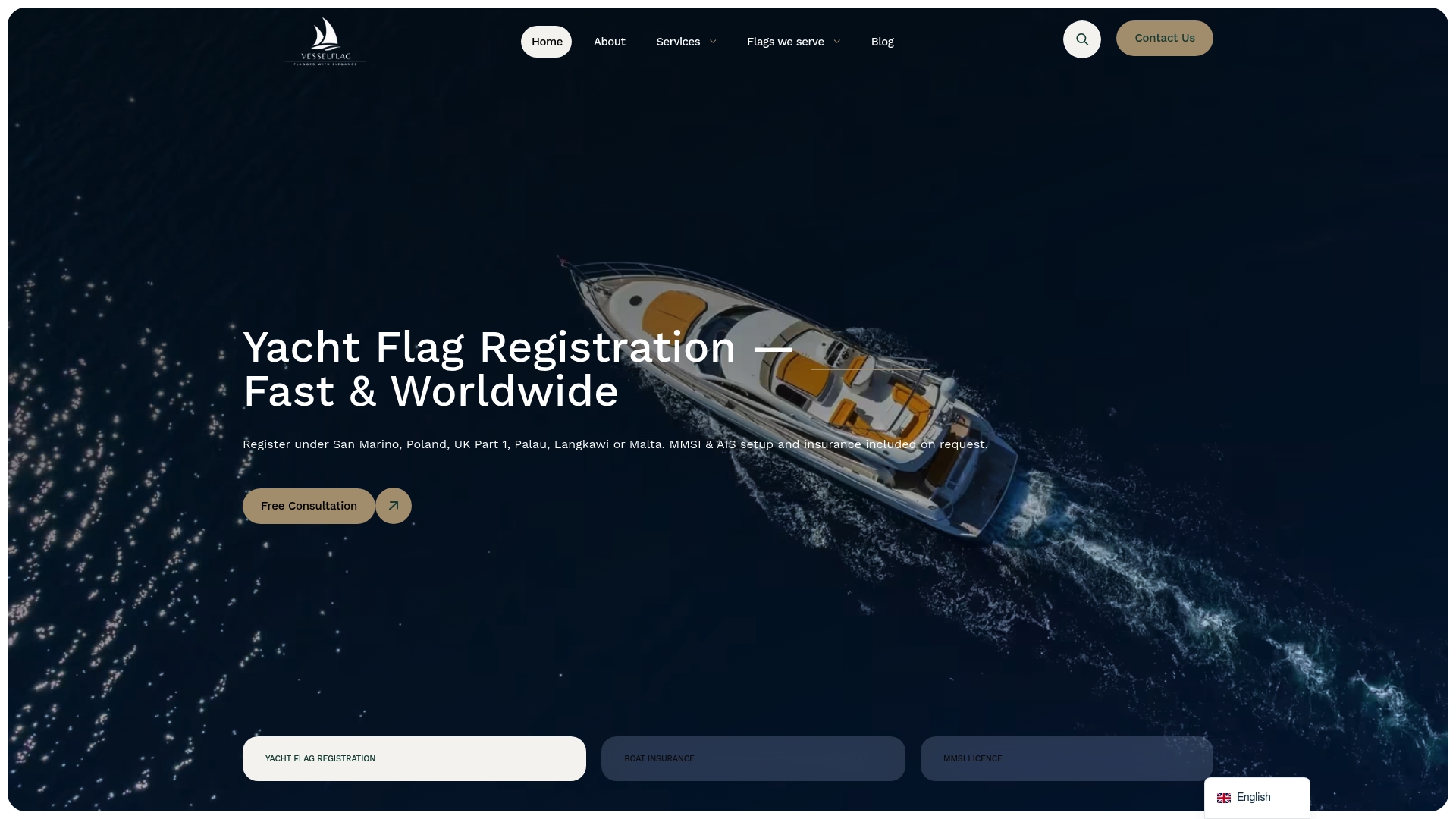
Whether you’re comparing yacht vs boat registration requirements for a new acquisition, working through how to register a yacht for the first time, or verifying your global registration compliance for the year ahead, the platform offers step-by-step guidance across all major jurisdictions. Our team understands the specific pressures yacht owners face in 2026, and we’ve built resources that reflect the current regulatory environment, not last year’s rules.
Frequently asked questions
Which countries are most popular for yacht registration in 2026?
San Marino, Malta, and Poland are trending for yacht registrations due to their efficient processes, international recognition, and alignment with updated compliance standards.
What are the common compliance hurdles for yacht owners in 2026?
Tighter environmental requirements, transparency rules, and updated documentation standards present new challenges, as compliance standards are tightening across nearly every major jurisdiction this year.
How do registration costs differ in 2026?
Costs vary significantly by jurisdiction, with some offering transparent flat fees and others carrying hidden compliance expenses that inflate the true annual cost considerably.
Can yachts be registered as corporate assets in 2026?
Yes, and corporate yacht registration is becoming more streamlined, with clearer beneficial ownership disclosure frameworks making it easier to manage compliance for corporate-held vessels.
What’s the fastest way to ensure my yacht registration is globally compliant?
Match your registration to your actual usage patterns and destination regulations, then verify against current checklists, as matching registration to usage is the most reliable path to staying compliant across multiple jurisdictions.