
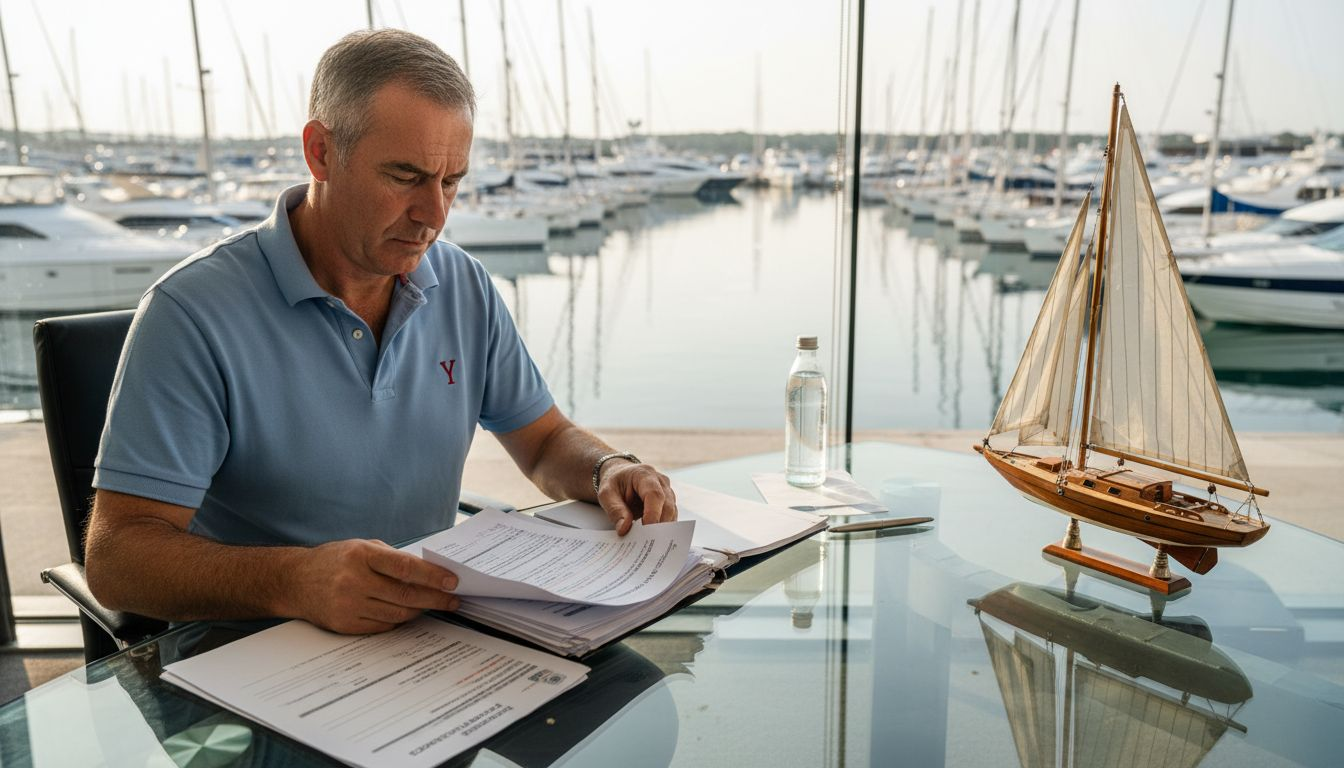
Preparing your paperwork? Use our full yacht registration documents checklist – Vessel Flag prepares all documents for you.
Owning or managing a yacht comes with layers of regulation that can quickly feel overwhelming. From choosing the right flag state to understanding international compliance rules, each decision directly impacts your operations, finances, and even safety on board. Missing a single document or misunderstanding a tax rule could result in costly delays, fines, or unexpected liability for your vessel and crew.
This list breaks down the must-know compliance steps and core regulations that every yacht owner needs for lawful, trouble-free operation. You will discover how international flag regulations connect to practical benefits like VAT exemptions, which certificates are required on board according to authoritative global standards, and which safety frameworks actively protect your crew.
Get ready for clear, actionable insights that will help you avoid common pitfalls and make smart choices about flag states, yacht documentation, safety equipment, tax planning, insurance, and ongoing compliance. Each section delivers practical knowledge you can use right away to protect your investment and keep your yacht in top operational shape.
Table of Contents
- 1. Understanding International Flag Regulations
- 2. Ensuring Proper Yacht Documentation
- 3. Meeting Safety and Equipment Standards
- 4. Navigating VAT and Tax Compliance Rules
- 5. Securing Required Insurance Coverage
- 6. Ongoing Compliance and Renewal Tips
Quick Summary
| Takeaway | Explanation |
|---|---|
| 1. Choose the right flag state | Selecting an appropriate flag state influences regulatory compliance, safety requirements, and potential economic benefits. Understand the specific rules each flag entails before deciding. |
| 2. Maintain comprehensive yacht documentation | Accurate documentation is crucial for legal operation and helps avoid costly penalties during inspections. Ensure all necessary documents are current and accessible. |
| 3. Prioritize safety and equipment compliance | Compliance with safety standards is vital to protect your crew and vessel. Regular audits and maintenance of safety equipment are necessary for effective emergency response. |
| 4. Understand VAT and tax implications | Different jurisdictions have varying VAT and tax regulations. Knowledge of these can significantly impact your yacht’s operational costs and tax strategy. |
| 5. Establish an ongoing compliance system | Compliance is an ongoing responsibility. Create a renewal calendar and assign document management tasks to prevent operational disruptions and legal issues. |
1. Understanding International Flag Regulations
Choosing a flag state for your yacht isn’t just about paperwork—it’s about understanding the rules that govern your vessel’s operations worldwide. International flag regulations establish the legal framework that determines where your yacht can operate, what labor standards apply to your crew, and what safety requirements you must meet.
When you register under a specific flag state, you’re agreeing to comply with that country’s maritime laws and international conventions. This creates a direct relationship between your vessel and the flag state’s authority, which acts as the regulatory overseer for your operations.
Why Flag Regulations Matter
Flag states enforce compliance with international conventions that protect crew welfare, vessel safety, and environmental standards. These regulations exist to maintain consistent safety and operational standards across the global maritime industry.
The Maritime Labour Convention (MLC 2006) is a perfect example of how flag regulations protect your crew while establishing standardized working conditions. Your flag state ensures your vessel complies with crew welfare requirements, maximum working hours, health and safety standards, and accommodation provisions.
Beyond crew protection, flag regulations govern:
- Safety standards: Hull integrity, fire suppression, lifesaving equipment, and navigation systems
- Environmental compliance: Pollution prevention, ballast water management, and waste disposal protocols
- Documentation requirements: Crew certification, vessel registry, and maritime permits
- Port state control: Authority that other countries may exercise when your vessel visits their ports
Economic Benefits Through Compliance
Complying with your flag state’s regulations often unlocks significant economic advantages. For example, certain international registers offer VAT and customs exemptions along with favorable tax regimes for commercial yachts meeting specific criteria.
You might also benefit from streamlined registration processes and free safety surveys, reducing your administrative burden and operational costs. The investment in compliance delivers real returns through tax optimization and reduced regulatory friction.
Your flag state is your regulatory partner—choosing the right one transforms compliance from a burden into a strategic advantage.
Different Flags, Different Rules
No two flag states enforce identical regulations. Some flags prioritize crew welfare benefits, others emphasize tax efficiency, and some focus on stringent safety standards. Understanding your chosen flag’s specific requirements prevents costly compliance mistakes later.
European registry options typically impose rigorous safety and environmental standards aligned with EU regulations. Alternative flag states may offer more flexible operational frameworks suited to different business models and vessel types.
Pro tip: Before selecting a flag state, request detailed compliance documentation from the registry and verify that all regulatory requirements align with your operational plans and vessel specifications.
2. Ensuring Proper Yacht Documentation
Yacht documentation is your vessel’s legal identity and operational passport. Without complete, accurate documentation, your yacht cannot legally operate in international waters, and you risk significant delays, penalties, and operational shutdowns during port state inspections.
Proper documentation proves your yacht’s ownership, compliance status, and right to operate under a specific flag. It also demonstrates that your vessel meets international safety and environmental standards required by maritime conventions.
Why Documentation Is Non-Negotiable
Documentation serves as evidence that your yacht complies with international conventions established by the International Maritime Organization. These standards protect crew safety, environmental integrity, and vessel security across global waters.
When port state control authorities board your vessel, they review your documents to verify compliance. Missing or outdated documentation can result in port detention, operational bans, or substantial fines that far exceed the cost of maintaining proper records.
The International Maritime Organization requires yachts to carry specific mandatory certificates and documents.pdf) covering safety, pollution prevention, crew qualifications, and regulatory compliance.
Essential Documentation Categories
Your yacht requires documents across multiple categories to ensure comprehensive compliance:
- Vessel registration documents: Certificate of registry, bill of sale, and proof of ownership
- Safety certificates: SOLAS (Safety of Life at Sea) certificates, lifesaving equipment certifications, and fire safety documentation
- Environmental documents: MARPOL certificates for pollution prevention and ballast water management records
- Crew documentation: Crew certifications, training records, and seafarer identity documents
- Insurance and liability: Certificates of insurance and P&I (Protection and Indemnity) coverage proof
Managing Your Documentation System
Organizing your documentation requires a systematic approach to prevent lapses and ensure timely renewals. Create a master checklist of all documents your yacht requires, including their expiration dates and renewal timelines.
Assign responsibility for document management to a designated crew member or shore-based administrator. Set renewal reminders at least 60 days before expiration to avoid operational interruptions during the application process.
Keep both original and certified copies of all documents. Store originals in a secure, easily accessible location onboard, and maintain digital backups stored separately for redundancy.
Complete, current documentation is your yacht’s legal foundation—it prevents complications and demonstrates your commitment to responsible maritime operation.
Consider using document tracking software designed for maritime operations. Many registration authorities offer online portals where you can monitor certificate validity and application status in real time.
Pro tip: Conduct quarterly audits of your yacht’s documentation to identify expiring certificates before they lapse, ensuring uninterrupted operational authorization and avoiding costly port state control delays.
3. Meeting Safety and Equipment Standards
Safety equipment isn’t optional—it’s the difference between a smooth voyage and a maritime emergency. Your yacht must comply with rigorous safety and equipment standards established by international maritime regulations, and these standards vary based on your vessel’s size, configuration, and operational profile.
Meeting these standards ensures your crew can respond effectively to emergencies, minimizes risk during offshore operations, and demonstrates compliance during port state inspections. Cutting corners on safety equipment creates liability exposure and jeopardizes everyone aboard.
Understanding Your Safety Requirements
Safety standards depend on your yacht’s classification and intended use. Commercial yachts carrying passengers face stricter requirements than private yachts operating for owner use only. The Red Ensign Group Yacht Code establishes detailed standards for commercial yachts over 24 meters carrying up to 12 passengers.
Your flag state determines which safety codes apply to your vessel. These codes prescribe specific equipment requirements, crew training mandates, and structural integrity standards tailored to yacht operations.
Key safety frameworks include SOLAS (Safety of Life at Sea) conventions, MARPOL pollution prevention standards, and flag-specific yacht codes that balance comprehensive protection with practical yacht operations.
Essential Safety Equipment Categories
Your yacht requires equipment across multiple safety domains to ensure comprehensive emergency readiness:
- Lifesaving equipment: Lifeboats, life rafts, lifebuoys, and personal flotation devices
- Fire protection: Fire detection systems, fire suppression equipment, and firefighting stations
- Navigation safety: Updated charts, communication systems, radar, and positioning equipment
- Medical and emergency: First aid kits, oxygen systems, and rescue equipment
- Structural safety: Hull integrity monitoring, watertight doors, and emergency bulkheads
Planning Your Safety Compliance
Conduct a comprehensive audit of your yacht’s current safety equipment against applicable regulatory standards. Document everything your vessel has and identify gaps requiring upgrades or replacements.
For offshore operations, additional standards apply. World Sailing Offshore Special Regulations set comprehensive criteria for structural integrity, safety equipment, personal gear, and crew training designed specifically for vessels operating in challenging offshore conditions.
Schedule regular inspections and maintenance routines to ensure all safety equipment functions properly. Many equipment failures occur during emergencies because owners neglected routine maintenance in calm conditions.
Safety equipment only matters when you need it—invest in compliance and maintenance before emergencies arise.
Train your entire crew on equipment operation and emergency procedures regularly. Equipment knowledge means nothing if crew members cannot deploy it effectively under stress.
Pro tip: Schedule annual safety audits with certified maritime surveyors who understand your specific flag state requirements, ensuring your equipment meets current standards and preventing costly compliance issues during inspections.
4. Navigating VAT and Tax Compliance Rules
Yacht taxation is one of the most complex aspects of vessel ownership, and getting it wrong costs serious money. VAT, import duties, and registration taxes vary dramatically across jurisdictions, and your flag state choice directly impacts your total tax burden.
Understanding how tax rules apply to your specific situation prevents expensive mistakes and helps you structure your ownership efficiently within legal boundaries. Tax compliance is non-negotiable, but smart planning can significantly reduce your overall costs.
Understanding Global VAT Differences
VAT (Value Added Tax) on yachts ranges dramatically across regions, creating substantial cost variations for owners. European Union countries typically impose VAT rates between 17 and 27 percent on yacht purchases and operations, though rates and exemptions vary by country.
Some jurisdictions offer tax-advantaged registration options. Montenegro, for example, provides favorable tax treatment for yacht registration, while certain Caribbean regions maintain mixed tax regimes that may benefit specific operational profiles.
Your flag state determines which tax framework applies to your vessel’s operations. This decision alone can represent hundreds of thousands of euros in long-term tax liability across your vessel’s operational life.
Tax Considerations by Jurisdiction
Tax rules vary significantly based on where your yacht is registered, where you operate it, and your ownership structure:
- European Union: Standard VAT applies to purchases and operations; some flags offer VAT exemptions for commercial vessels
- Mediterranean registries: Varying VAT treatment; some offer reduced rates or exemptions for qualifying vessels
- Tax-advantaged regions: Certain jurisdictions provide preferential tax treatment for yacht registration and operations
- Customs and import duties: Apply differently depending on vessel origin and flag state selection
- Crew tax implications: Employment taxes and crew registration vary by flag state and operating jurisdiction
Planning Your Tax Strategy
Your tax position depends on multiple interconnected factors including vessel size, intended use, crew employment structure, and planned operating regions. Understanding global yacht taxation rules across different regions helps you make informed registration decisions.
Consult with maritime tax specialists before finalizing your flag state choice. They can model your specific situation across different registration options and identify the most tax-efficient approach for your circumstances.
Document your operational intentions clearly. Whether your yacht will be used for personal recreation, charter operations, or mixed use affects your applicable tax treatments and compliance obligations significantly.
Tax planning isn’t about avoiding obligations—it’s about structuring compliant ownership to minimize unnecessary costs.
Review your tax position annually as regulations change and your operational patterns evolve. Tax treatments that benefit you today may become disadvantageous as circumstances change.
Pro tip: Engage maritime tax advisors during the flag selection process rather than after registration, ensuring your chosen registry aligns with your tax position and preventing costly restructuring later.
5. Securing Required Insurance Coverage
Insurance isn’t a compliance checkbox—it’s your financial lifeline when things go wrong at sea. Yacht insurance requirements vary by flag state, operational profile, and jurisdictional regulations, but comprehensive coverage is mandatory for legal operation and port entry worldwide.
Without proper insurance, you face catastrophic financial exposure from vessel damage, liability claims, crew injuries, and environmental incidents. The right policy protects your asset while ensuring regulatory compliance across international waters.
Understanding Yacht Insurance Requirements
Yacht insurance encompasses multiple coverage types addressing different risk categories inherent to maritime operations. Your flag state mandates specific minimum coverage levels, and many ports require proof of insurance before allowing vessel entry.
Comprehensive worldwide yacht insurance extends protection to global navigation waters, covering risks from piracy and severe weather to mechanical failure and third-party liability claims. These policies address the complex risk environment that luxury yachts face during international operations.
Your insurance provider must understand yacht operations specifically. Generic marine insurance often lacks provisions addressing unique yacht risks like charter operations, crew liability, and luxury asset valuations.
Essential Coverage Components
Yacht insurance policies should address multiple risk categories to provide comprehensive protection:
- Hull and machinery coverage: Protects your vessel’s structure and mechanical systems from damage
- Third-party liability: Covers damages your vessel causes to other vessels, property, or people
- Pollution liability: Protects against environmental damage and cleanup costs
- Crew liability and benefits: Covers crew-related injuries, illnesses, and employment obligations
- War and piracy risks: Addresses specialized maritime security threats in certain regions
- Legal expenses coverage: Pays for maritime legal representation during disputes
Selecting Appropriate Coverage Levels
Your insurance limits should reflect your vessel’s value, intended operations, and exposure profile. Underinsuring creates false economy—inadequate limits expose you to uncovered losses exceeding policy amounts significantly.
Specialized yacht insurers understand the complexity of luxury vessel operations. They offer customized coverage structures tailored to complex yacht risk profiles without imposing arbitrary limitations on vessel size or crew numbers.
Review your policy annually and adjust coverage as your vessel’s value, operational patterns, or regulatory environment changes. Insurance requirements evolve with maritime regulations, and outdated policies may leave coverage gaps.
Proper insurance demonstrates financial responsibility and ensures you can recover from maritime incidents rather than facing financial ruin.
Maintain continuous coverage without lapses. Port state control authorities verify active insurance as a compliance requirement, and operational gaps create serious legal exposure.
Pro tip: Provide your insurance broker with detailed information about your vessel’s intended operations, geographic ranges, and crew structure, enabling them to design coverage matching your specific risk profile rather than using generic policy templates.
6. Ongoing Compliance and Renewal Tips
Registration isn’t a one-time event—it’s an ongoing commitment requiring regular renewals, certificate updates, and compliance verification. Letting registrations lapse creates operational crises, port detention risks, and potential legal liability that damages your reputation and finances.
Successful yacht owners treat compliance as a continuous management responsibility, not an afterthought. Strategic planning ensures seamless renewals and prevents the scrambling that comes from missed deadlines.
Understanding Renewal Cycles
Yacht registrations and certificates require periodic renewal to maintain valid status. Most flag states require registration renewals every five years, though specific timelines vary by jurisdiction and certificate type.
Your yacht carries multiple documents that expire on different schedules. Safety certificates, insurance documentation, crew certifications, and pollution prevention records all have independent renewal deadlines requiring coordinated management.
Missing even a single renewal creates cascading problems. Port authorities may deny entry, charter operators may refuse to accept your vessel, and your insurance may become void if compliance documents lapse.
Creating Your Compliance Calendar
The most effective approach is maintaining a detailed compliance calendar tracking every certificate and renewal deadline. List each document, its expiration date, and the renewal timeline required for your specific flag state.
Many registration authorities now offer streamlined digital renewal processes processing applications within approximately two weeks. Digital submission reduces administrative burden and accelerates approval timelines significantly.
Set renewal reminders 90 days before expiration. This lead time accommodates application processing, potential delays, and unexpected document requests from your registry or authorities.
Essential Renewal Documentation Requirements
Renewal applications require specific documentation proving ongoing compliance with regulatory standards:
- Insurance proof: Current certificates demonstrating continuous coverage throughout your operational period
- Technical certifications: Safety surveys and seaworthiness documents confirming your vessel meets current standards
- Safety compliance: Updated safety equipment certifications and inspection records
- International convention compliance: Documentation proving adherence to applicable maritime conventions
- Crew and operational records: Current training certifications and operational compliance documentation
Building a Renewal Management System
Designate a single person or shore-based team responsible for compliance management. Distributed responsibility creates confusion and missed deadlines when communication breaks down.
Maintain centralized documentation storage with both original and digital copies of all certificates. Digital backups prevent catastrophic loss if original documents are damaged or misplaced during vessel operations.
Communicate proactively with your registry. Ask about upcoming changes to requirements, upcoming renewal deadlines, and any documentation they expect you to prepare in advance.
Proactive compliance prevents emergencies—treat renewals as scheduled maintenance rather than crisis management.
Review your compliance status annually even between renewal cycles. Regulatory changes may impose new requirements your existing documents no longer satisfy, requiring proactive updates.
Pro tip: Establish a digital compliance dashboard or spreadsheet listing all certificates, expiration dates, and renewal requirements, sharing it with your captain and shore support team to ensure everyone understands critical compliance deadlines and responsibilities.
Below is a comprehensive table summarizing the main topics and key takeaways discussed in the article regarding international flag regulations and compliance for yachts.
| Topic | Description | Key Considerations |
|---|---|---|
| International Flag Regulations | Legal requirements for operating under a nation’s maritime jurisdiction. | Consider operational scope, compliance standards, and advantages of specific flag states. |
| Importance of Documentation | Proper vessel documentation serving as legal proof for operations and compliance. | Maintain up-to-date certificates, secure both originals and certified copies, and ensure timely renewals. |
| Safety Standards | Compliance with safety regulations through appropriate equipment and protocol adherence. | Conduct regular safety audits and ensure crew training on emergency procedures. |
| Tax Regulations | Understanding and addressing taxes such as VAT and registration fees based on yacht usage and operational jurisdiction. | Collaborate with tax professionals to optimize obligations while ensuring compliance. |
| Insurance Requirements | Mandatory and critical insurance coverage categories for global yacht operations. | Secure comprehensive policies, including hull, liability, and environmental insurance. |
| Ongoing Compliance Management | Regular renewal of registrations and certifications to avoid operational hindrances. | Develop and maintain a compliance calendar with proactive renewal reminders. |
This table captures the article’s insights, delineating vital aspects to consider for effective yacht management and regulation adherence globally.
Simplify Your Yacht Registration and Compliance Journey Today
Navigating the complexities of yacht compliance requirements such as international flag regulations, documentation, safety standards, tax rules, and insurance can feel overwhelming. Many yacht owners struggle with coordinating renewals, understanding differing flag state rules, and ensuring complete regulatory compliance to avoid costly delays or penalties. Our platform focuses on turning this challenge into a seamless, stress-free process.
At VesselFlag.com, we specialize in fast and transparent vessel registrations under various international flags including San Marino, Malta, and Palau. We offer expert guidance on meeting safety and documentation standards while optimizing your tax and insurance plans. With our digital tools and maritime expertise, you can confidently handle renewals and ongoing compliance needs. Explore more about how we support your registration needs through our Flag Registration category and stay updated with essential compliance insights at our Uncategorized section.
Take control of your yacht’s registration and compliance today to avoid costly interruptions and secure smooth international operations. Visit VesselFlag.com now and experience a smarter way to navigate your vessel’s legal requirements.
Frequently Asked Questions
What are the key compliance documents required for yacht registration?
To register your yacht, you need essential compliance documents that include vessel registration documents, safety certificates, environmental documents, crew documentation, and insurance proof. Gather these documents and organize them systematically to avoid delays during the registration process.
How do I ensure my yacht meets safety and equipment standards?
Ensure your yacht complies with safety and equipment standards by conducting a comprehensive audit of all safety equipment and verifying that it meets applicable regulations. Schedule regular inspections and maintenance routines to keep equipment functional and documented.
What steps should I take to manage my yacht’s documentation system?
Create a systematic documentation management system by maintaining a master checklist of all required documents, including their expiration dates and renewal timelines. Assign a designated crew member to oversee this process and set reminders 60 days before any document expiration.
How can I effectively plan my yacht’s tax compliance strategy?
To plan your yacht’s tax compliance strategy, consult with maritime tax specialists to understand how different flag state regulations affect your tax liabilities. Document your operational intentions clearly and consider engaging specialists early in the registration process to avoid costly restructuring later.
What is the best way to stay on top of yacht registration renewals?
Maintain a detailed compliance calendar tracking each certificate and its expiration date to ensure timely renewals. Set reminders at least 90 days before expiration and regularly review your compliance status to account for any regulatory changes.
What minimum insurance coverage is required for my yacht?
Most flag states require yacht insurance that includes hull and machinery coverage, third-party liability, and pollution liability. Assess your yacht’s value and operations to determine appropriate coverage limits, ensuring no gaps exist that could lead to financial exposure.
Recommended
- 7 Yacht Registration Best Practices for Global Compliance
- Top Challenges in Yacht Registration and Compliance—and How to Navigate Them with Confidence – Vessel Flag
- Top Challenges in Yacht Registration and Compliance: Navigate Global Regulations with Confidence – Vessel Flag
- Yacht Registration Pain Points: Navigate Global Compliance with Confidence – Vessel Flag

[…] you registered under an international flag rather than a state or federal program, Vesselflag’s compliance requirements guide walks through the specific documents each flag jurisdiction expects after […]