
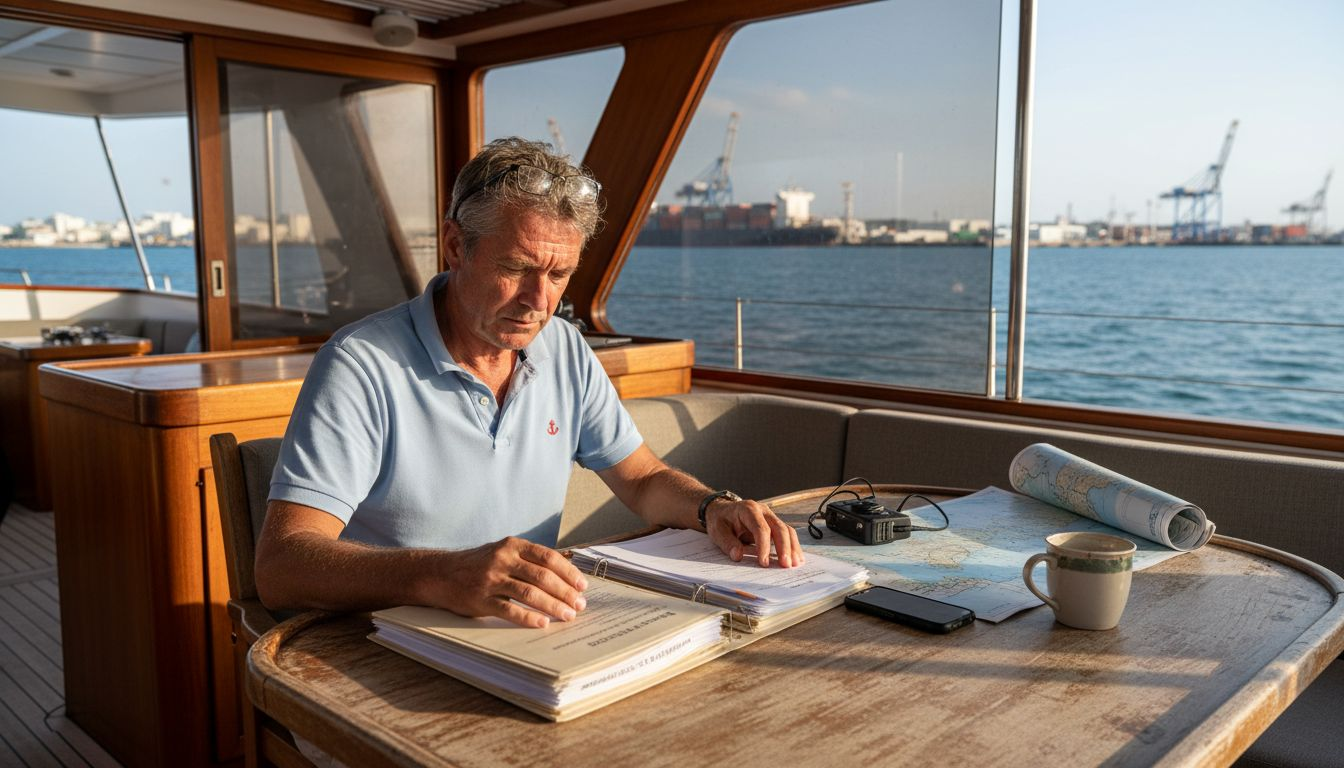
Registering your yacht for international waters is never as straightforward as it sounds. With so many legal nuances, documentation requirements, and strategic decisions to weigh, one wrong step can lead to costly delays or unexpected complications. The smallest oversight could mean trouble with insurance, surprise inspections, or legal headaches at your next port of call.
The good news is that you can take control of the process. By following proven steps used by experienced yacht owners, you will gain both confidence and clarity. The insights ahead will show you how to handle every key aspect of yacht registration—from flag state selection to ongoing compliance—so you can protect your investment and operate smoothly.
Get ready to discover practical tips and expert advice that make yacht registration clear and achievable. With this guide, you will avoid setbacks and position your yacht for safe, legal, and hassle-free journeys.
Table of Contents
- Understand Flag State Selection Criteria
- Prepare All Required Documentation Early
- Verify Ownership and Corporate Structure
- Choose the Right Registration Type
- Ensure Ongoing Regulatory Compliance
- Leverage Specialist Registration Services
- Streamline Communication With Authorities
Quick Summary
| Takeaway | Explanation |
|---|---|
| 1. Choose flag state strategically | The flag state affects crew management, legal compliance, and financial implications. Selection should be informed by operational and legal needs. |
| 2. Prepare documentation in advance | Gathering necessary documents early can prevent registration delays. Start the process three to six months before intended registration. |
| 3. Verify ownership comprehensively | Proper verification of ownership protects against legal issues and ensures legitimacy. Maintain accurate and up-to-date ownership documentation. |
| 4. Select the right registration type | Choose the registration type based on intended use and operational goals. It significantly impacts legal requirements and financial implications. |
| 5. Ensure ongoing compliance | Regulatory compliance is a continuous obligation, requiring regular updates and monitoring to maintain operational legitimacy and avoid penalties. |
1. Understand Flag State Selection Criteria
Choosing the right flag state for yacht registration is far more complex than simply picking a country. Your selection impacts everything from crew management to international legal compliance and financial implications.
Key factors in flag state selection include:
- Vessel operational jurisdiction
- Owner’s citizenship status
- Crew nationality requirements
- Tax and regulatory environment
- Maritime safety standards
- Privacy and corporate structure considerations
The flag you select essentially becomes your yacht’s legal foundation. Unlike a simple administrative task, flag state selection determines your vessel’s entire operational framework.
Some jurisdictions like the Cayman Islands have stringent yacht codes that dramatically influence operational parameters. These regulations can affect crew contracts, insurance rates, and potential port inspections. Smart yacht owners understand that the flag isn’t just a document – it’s a strategic business decision.
A reputable flag state reduces inspection risks and provides broader international maritime credibility.
When evaluating potential flag states, conduct thorough research on their specific maritime regulations, tax implications, and international recognition. Consider consulting maritime legal experts who specialize in international vessel registration.
Pro tip: Prioritize flags with robust international reputations and comprehensive maritime safety records to minimize potential operational complications.
2. Prepare All Required Documentation Early
Yacht registration is not just paperwork – it is your vessel’s legal passport to international waters. Understanding and preparing documentation well in advance can mean the difference between smooth sailing and bureaucratic roadblocks.
Key documents you will need include:
- Proof of vessel ownership
- Technical certification records
- Owner identification documents
- Vessel inspection certificates
- Insurance verification paperwork
- Tax compliance documentation
Navigating the yacht registration documentation process requires meticulous attention to detail. Inconsistent or incomplete paperwork can trigger significant delays and additional administrative requests.
A comprehensive documentation package signals professionalism and reduces potential registration complications.
Preparing documentation involves more than simply collecting papers. Each document must be current accurate and aligned with the specific requirements of your chosen flag state. This means understanding the nuanced differences between registration types and jurisdictional expectations.
Start gathering your documentation at least three to six months before your intended registration date. Digital and physical copies should be organized systematically ensuring quick accessibility during the application process.
Pro tip: Create a dedicated digital folder with high-resolution scans of all critical documents and maintain a physical backup in a secure waterproof container.
3. Verify Ownership and Corporate Structure
Verifying yacht ownership is more than just checking a name on a document. It is a critical legal process that protects your investment and ensures clean transfer of vessel rights.
Key ownership verification considerations include:
- Legal ownership documentation
- Corporate entity registration details
- Potential liens or encumbrances
- Historical ownership transfer records
- Nationality and residency requirements
The yacht registration verification process requires comprehensive documentation and meticulous legal scrutiny. Different jurisdictions have unique requirements for proving legitimate vessel ownership.
Proper ownership verification prevents future legal challenges and protects your maritime investment.
Your corporate structure can significantly impact registration eligibility. Some flag states have specific requirements about business entity types ownership percentages and director nationalities. This means your corporate paperwork must be as precise as your vessel documentation.
Consider working with a maritime legal specialist who understands international registration nuances. They can help navigate complex ownership transfer protocols and ensure all documentation meets specific jurisdictional requirements.
Careful documentation helps prevent potential fraud and establishes a clear legal lineage for your vessel. Each document tells a story of ownership that maritime authorities will carefully examine.
Pro tip: Maintain a comprehensive digital and physical archive of all ownership documents dating back at least five years to streamline future registration processes.
4. Choose the Right Registration Type
Yacht registration is not a one-size-fits-all process. Your vessel’s intended use commercial objectives and operational parameters will determine the most appropriate registration category.
Primary yacht registration types include:
- Private recreational vessels
- Commercial charter yachts
- Research and expedition vessels
- Offshore support vessels
- Yacht management company registrations
Each registration type carries unique legal requirements tax implications and operational restrictions. Your selection will impact everything from crew certification to insurance protocols and international maritime compliance.
The right registration type can optimize your yacht’s operational flexibility and financial efficiency.
Consider your yacht’s primary purpose carefully. A private yacht used occasionally for personal travel will have dramatically different registration requirements compared to a vessel operating as a commercial charter enterprise.
Factor in these critical considerations when selecting your registration type:
- Intended primary usage
- Frequency of international voyages
- Potential revenue generation
- Crew employment structure
- Long-term operational strategy
Some jurisdictions offer specialized registration categories that provide tax advantages or simplified regulatory frameworks. Working with a maritime registration specialist can help you navigate these nuanced options.
Pro tip: Conduct a comprehensive cost-benefit analysis of different registration types before making a final decision to ensure maximum operational and financial optimization.
5. Ensure Ongoing Regulatory Compliance
Yacht registration is not a one-time event but a continuous commitment to international maritime standards. Regulatory compliance is your vessel’s passport to global waters and operational legitimacy.
Key international maritime regulations include:
- Safety management standards
- Crew certification requirements
- Environmental protection protocols
- Labor condition regulations
- Waste management guidelines
The yacht regulatory compliance landscape encompasses multiple international conventions including SOLAS MARPOL STCW and MLC. Each sets critical standards that impact vessel operations insurance and global mobility.
Continuous compliance protects your investment prevents costly penalties and maintains your yacht’s operational integrity.
Regulatory requirements vary dramatically across different jurisdictions. Your yacht might need different certifications when operating in European waters compared to Caribbean or Asian maritime zones. This complexity demands proactive management and regular documentation updates.
Essential compliance monitoring strategies:
- Schedule regular maritime inspections
- Update crew certifications annually
- Maintain comprehensive safety documentation
- Track changing international maritime regulations
- Consult maritime compliance specialists
Classification societies can provide invaluable support in navigating these intricate regulatory frameworks. They offer periodic surveys and expert guidance to ensure your vessel remains fully compliant.
Pro tip: Invest in digital compliance management software that tracks regulatory changes and automatically alerts you to necessary certification updates and renewal requirements.
6. Leverage Specialist Registration Services
Navigating yacht registration is a complex journey best traveled with expert guidance. Specialist registration services can transform a potentially overwhelming process into a streamlined strategic advantage.
Benefits of specialist registration services include:
- Expert jurisdiction selection
- Comprehensive documentation management
- Compliance optimization
- Tax and privacy strategy
- Risk mitigation
The yacht registration service landscape offers nuanced expertise that goes far beyond basic administrative support. These specialists understand the intricate legal frameworks across different maritime jurisdictions.
Professional registration services convert bureaucratic complexity into strategic operational flexibility.
These specialists bring deep knowledge about international maritime regulations tax implications and registration protocols. They can help you select jurisdictions that align perfectly with your vessel’s operational goals privacy requirements and financial structure.
Key advantages of working with registration specialists:
- Accelerated processing timelines
- Reduced administrative burden
- Minimized compliance risks
- Strategic jurisdiction recommendations
- Ongoing regulatory monitoring
By partnering with experienced registration professionals you transform yacht registration from a administrative task into a strategic business decision. They provide insights that can save significant time money and potential legal complications.
Pro tip: Request comprehensive portfolio reviews from potential registration services demonstrating their experience with vessels similar to yours in size operational scope and intended maritime regions.
7. Streamline Communication With Authorities
Effective yacht registration demands more than paperwork – it requires strategic communication with maritime authorities. Building clear professional relationships can significantly accelerate your registration process.
Key communication strategies include:
- Proactive document preparation
- Professional correspondence protocols
- Precise information submission
- Timely follow-up practices
- Maintaining comprehensive records
The maritime registration communication approach requires precision patience and professional engagement. Understanding each authority’s specific communication preferences can dramatically reduce processing times.
Clear concise communication transforms bureaucratic interactions from obstacles into opportunities.
Maritime authorities receive hundreds of registration applications. Your goal is to make your submission stand out through professionalism completeness and clarity. This means anticipating potential questions preparing comprehensive documentation and responding promptly to any requests.
Communication best practices:
- Use official correspondence channels
- Maintain consistent professional tone
- Provide comprehensive supporting documents
- Follow up systematically
- Keep digital and physical document copies
Consider designating a single point of contact who understands maritime registration protocols. This individual can develop relationships with different maritime authorities and navigate complex communication landscapes.
Pro tip: Create a standardized communication template for maritime authorities that includes all critical vessel information ensuring consistency and reducing potential misunderstandings.
Below is a detailed table summarizing the key strategies, steps, and considerations regarding yacht registration as discussed in the article.
| Aspect | Details | Significance |
|---|---|---|
| Flag State Selection | Evaluate operational jurisdiction, citizenship, taxes, and compliance requirements when selecting a flag state. | Ensures the chosen registration aligns with operational and legal obligations. |
| Documentation Preparation | Collect ownership, certification, inspection, and insurance documents systematically. | Enables a streamlined registration process and avoids administrative delays. |
| Ownership Verification | Establish clear legal ownership and review corporate structure requirements. | Protects against legal challenges and ensures transparency. |
| Registration Type Selection | Determine if the registration will be private, commercial, or for other specific purposes. | Impacts taxation and operational guidelines. |
| Regulatory Compliance | Maintain adherence to maritime laws including safety, labor, and environmental standards. | Ensures operational legitimacy and reduces violation risks. |
| Specialist Services | Utilize maritime registration experts for guidance on complex facets. | Reduces administrative burden and optimizes registration outcomes. |
| Communication With Authorities | Engage effectively with maritime authorities using professional and precise communication. | Facilitates a smoother application process and quick issue resolution. |
Simplify Your Yacht Registration Journey with VesselFlag
Navigating the complex world of yacht registration and global compliance requires more than just paperwork. The article highlights critical challenges such as choosing the right flag state, verifying ownership, and maintaining ongoing regulatory compliance. Vessel owners face the stress of managing legal frameworks, documentation accuracy, and meeting international maritime standards while minimizing delays and risks.
At VesselFlag, we understand these pain points and provide expert solutions tailored to your vessel’s needs. Our platform offers comprehensive yacht registration services, including detailed guidance on flag options from San Marino to Malta, streamlined documentation processes, and ongoing compliance support. Whether you need assistance selecting the ideal flag or managing complex regulatory requirements, our deep maritime expertise ensures fast, transparent, and reliable service aligned with your goals.
Unlock hassle-free registration today by exploring our Flag Registration services and gain insights from our Uncategorized articles to stay ahead of maritime regulations. Visit VesselFlag.com now and take the next step toward secure global compliance and operational excellence.
Ready to register your yacht with confidence and speed? Start your journey with VesselFlag and benefit from expert support designed to navigate international maritime registration efficiently and compliantly.
Frequently Asked Questions
What factors should I consider when selecting a flag state for yacht registration?
Choosing a flag state involves assessing vessel operational jurisdiction, owner citizenship, crew nationality requirements, tax environment, and safety standards. Prioritize research on different flag states’ regulations and consult with maritime legal experts for a comprehensive understanding.
How can I prepare my yacht registration documentation effectively?
Start gathering required documents, such as proof of ownership and insurance verification, at least three to six months before applying for registration. Organize both digital and physical copies systematically to expedite the application process and prevent delays.
What is the importance of verifying yacht ownership during registration?
Verifying yacht ownership is crucial to prevent legal challenges and ensure a smooth transfer of rights. Maintain thorough documentation of ownership history and corporate structure to fulfill specific jurisdictional requirements and protect your investment.
How do I choose the right registration type for my yacht?
Consider your yacht’s intended use, such as private recreational versus commercial purposes, which will dictate the appropriate registration category. Evaluate the legal requirements and tax implications to ensure optimal operational flexibility and compliance.
Why is ongoing regulatory compliance necessary after yacht registration?
Ongoing compliance is essential to maintaining operational legitimacy and avoiding costly penalties. Schedule regular inspections and update necessary certifications to ensure your yacht meets international maritime standards continuously.
Recommended
- Yacht Registration Pain Points: Navigate Global Compliance with Confidence – Vessel Flag
- Top Challenges in Yacht Registration and Compliance: Navigate Global Regulations with Confidence – Vessel Flag
- Top Challenges in Yacht Registration and Compliance—and How to Navigate Them with Confidence – Vessel Flag
- How to Register a Yacht: Complete Guide for Owners
- Understanding International Trade Compliance Basics – Worldwide Express, Inc.

[…] the gap between choosing a structure and making it operational. Our registration best practices guide covers the compliance side in more detail, and if you want a specific answer for your situation, […]
[…] 7 Yacht Registration Best Practices for Global Compliance […]