

TL;DR:
- Many yacht owners overlook the importance of vessel deregistration, risking delays, fines, and legal issues during sales or reflagging. Deregistration formally removes a yacht from a registry, requiring debt clearance, documentation, and proper procedures across jurisdictions. Failing to complete this process can cause port detentions, contractual failures, and regulatory sanctions, emphasizing its critical role in vessel management.
Many yacht owners pour enormous energy into registering a vessel under the right flag, then treat the exit process as an afterthought. That oversight routinely causes real damage: delayed sales, failed reflagging attempts, port detentions, and fines that dwarf the original registration cost. Vessel deregistration, the formal removal of a yacht or boat from a national maritime registry, is as legally significant as the initial registration. This guide walks you through what it is, when you need it, exactly how it works across multiple jurisdictions, and what can go wrong if you skip or rush it.
Índice
- What is vessel deregistration and why does it matter?
- How the deregistration process works: international steps
- Key certificates, legal releases, and common pitfalls
- Deregistration triggers: sales, reflagging, and compliance risks
- Our take: The real cost of skipping vessel deregistration
- Need help navigating vessel registration and compliance?
- Frequently asked questions
Principais conclusões
| Ponto | Detalhes |
|---|---|
| Formal process required | Vessel deregistration is an official step needed when selling, reflagging, or ending use of a yacht. |
| Clear legal and financial ties | Most registries demand that all debts and encumbrances be removed prior to deregistration. |
| Triggers are owner or regulator driven | Deregistration can be voluntary or forced due to compliance factors like sanctions. |
| Documentation is key | Missing paperwork or unresolved liens is the most common reason for delay. |
| Mistakes have serious consequences | Failing to deregister can result in dual flagging, denied registry services, or sale complications. |
What is vessel deregistration and why does it matter?
Vessel deregistration is the official process by which a yacht or boat is removed from a country’s maritime registry. Think of it as the maritime equivalent of canceling a title on a car before transferring ownership. Without it, the vessel continues to carry the legal identity of its original flag state, which creates conflicts when you try to sell, refinance, or re-register under a new flag.
O global registration process assigns your vessel a nationality, a set of legal rights, and a bundle of obligations. Deregistration formally ends that relationship. Until it does, both you and a potential buyer could be operating in a legal gray zone with overlapping administrative responsibilities.
Common scenarios that trigger deregistration include:
- Sale of the vessel to a buyer who intends to register in a different country
- Reflagging, moving the vessel to a new flag state for tax, operational, or routing reasons
- End of vessel life, including scrapping or total loss
- Voluntary removal when the owner no longer wants to operate under that registry
- Regulator-driven removal due to non-payment of fees, sanctions, or suspected violations
As navigating yacht registration makes clear, the rules around ownership transfer are more layered than most buyers and sellers expect. Legal title, registry status, and physical possession are three separate matters, and they rarely align automatically.
“Deregistration is tied to completing prior legal and administrative requirements such as debts cleared and encumbrances removed, and is necessary for reflagging or sale.”
That single requirement, debt clearance and lien release before deregistration, is where most yacht transactions stall. A vessel with an outstanding mortgage cannot simply be deregistered at the owner’s request. The lender holds a registered interest, and that interest must be formally discharged before the registry will issue a deletion certificate.
How the deregistration process works: international steps
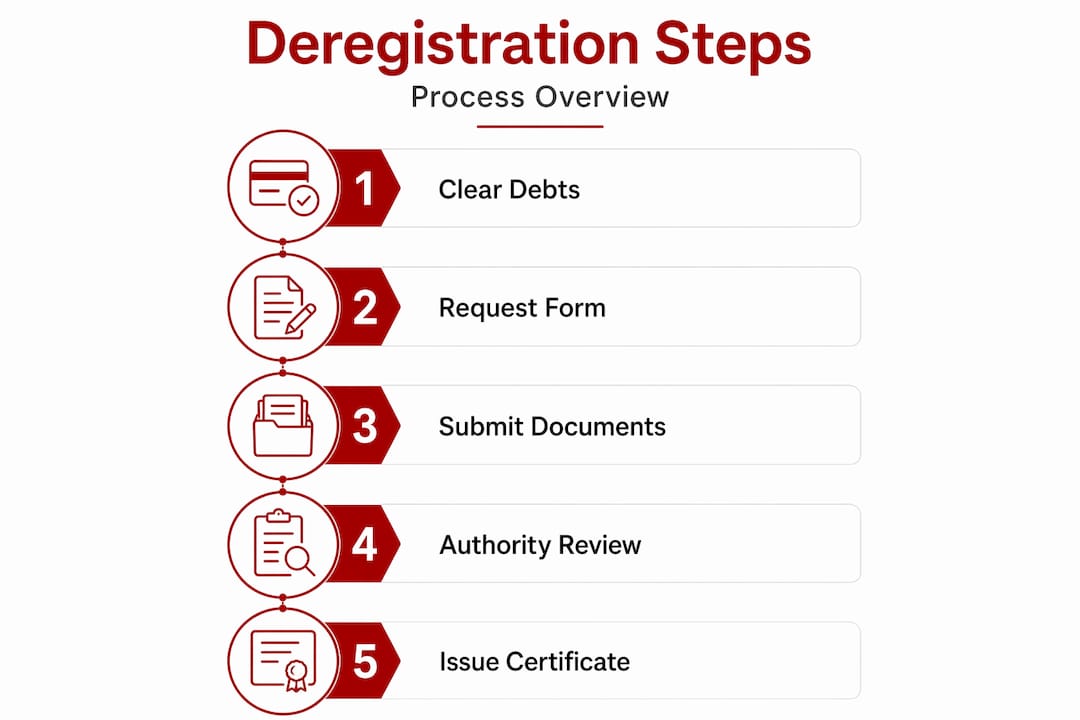
Understanding what deregistration is sets the stage for a detailed look at how it works internationally. While each flag state has its own forms, fees, and timelines, the underlying workflow is consistent enough that you can plan around it.
Typical deregistration workflow:
- Confirm the reason for deregistration and identify the receiving registry if reflagging.
- Contact your current registry to request the formal deregistration application.
- Obtain a mortgage or lien clearance certificate from any financial institution holding a registered interest.
- Pay any outstanding registry fees, dues, or fines associated with the vessel.
- Submit the completed application with supporting documentation to the registry.
- Receive the deletion certificate, also called a Certificate of Deletion or Closure of Registration.
- Present that certificate to the new registry as proof of clear title when reflagging or to the buyer’s legal counsel when selling.
Pro Tip: Start this process at least 4 to 6 weeks before your planned sale date or reflagging target. Registries often process requests in batches, and any missing document restarts your wait time entirely.
Registries across Iceland, Cyprus, and the United States each add their own procedural layers. The table below summarizes key differences.
| Registo | Primary authority | Deletion certificate name | Key prerequisite | Average processing time |
|---|---|---|---|---|
| Islândia | Icelandic Maritime Administration | Certificate of Deletion | Debt-free, encumbrance-free status | 5 to 15 business days |
| Chipre | Department of Merchant Shipping | Cancellation of Registry | Prior flag deletion confirmed | 7 to 20 business days |
| United States | US Coast Guard NVDC | Certificate of Deletion | All liens released, fees paid | 10 to 30 business days |
Registries require evidence of debt-free status and the removal of all registered encumbrances before they issue any deletion certificate. That requirement is universal. What differs is how each registry defines “encumbrance” and what paperwork satisfies that definition.
O Cyprus and US frameworks both require completion of prior flag state deregistration before a vessel can be reflagged. This is a sequencing issue that catches many owners off guard. You cannot simultaneously deregister from one flag and register under another. The deletion certificate comes first, and the new registration follows. Build that sequence into your timeline.
O step-by-step registration guide offers a useful parallel perspective on what the incoming registry expects to see, which in turn tells you exactly what the outgoing registry needs to produce. Using a registration checklist that covers both directions saves significant back-and-forth communication.
Key certificates, legal releases, and common pitfalls
Now that you know the process, let’s dig into the documentation and the obstacles most owners miss. The paperwork side of deregistration is where deals fall apart, and it rarely comes down to complicated legal theory. Most failures are administrative: wrong form version, missing signature, uncleared fee from three years ago.
Key documents involved in deregistration:
| Document | Purpose | Issuing authority |
|---|---|---|
| Certificate of Deletion | Officially closes the registry record | Flag state maritime authority |
| Mortgage Release Letter | Confirms lender has no remaining interest | Lender or mortgagee |
| Certificate of No Encumbrance | Confirms no registered liens or claims | Maritime registry |
| Certificate of Good Standing | Confirms all fees and obligations are current | Maritime registry |
| Power of Attorney | Authorizes agent to act on owner’s behalf | Notarized by owner |
The issuance of deletion certificates is contingent on legal and financial clearance, including all registered encumbrances. Each document in the table above feeds directly into that clearance process.
Common mistakes that delay or block deregistration include:
- Unsatisfied mortgages: Many owners assume a paid-off loan automatically clears the registry record. It does not. You need a formal mortgage release filed with the registry.
- Unpaid annual registry fees: Small outstanding amounts can freeze the process entirely. Check fee status at least 60 days before initiating deregistration.
- Outdated ownership information: If the registered owner name differs from current legal ownership, the registry will request supporting documentation to reconcile the discrepancy.
- Missing notarization: Many registries require notarized or apostilled documents, particularly if the deregistration is managed from a different country than the flag state.
- Incomplete application forms: Registries update their forms periodically. An old form version submitted in good faith will be rejected, often without explanation.
Pro Tip: Before submitting anything, request a formal encumbrance search from your registry. This document lists every registered interest against the vessel and tells you exactly what needs to be released before the deletion certificate can be issued.
Compreensão key deregistration documents in advance prevents the last-minute scramble that disrupts otherwise smooth yacht transactions. As essential yacht documentation guidance confirms, missing paperwork is the single biggest reason yacht sales close late or collapse entirely at the contract stage.
Deregistration triggers: sales, reflagging, and compliance risks
With the paperwork in mind, it is vital to see what real-world situations force or require deregistration, sometimes beyond your control.
Most deregistrations are owner-driven. You sell the boat, you change flags, you retire the vessel. These are planned events you can prepare for in advance. But a growing category of deregistrations is entirely outside the owner’s control.
Main triggers for vessel deregistration:
- Sale and ownership transfer: The buyer’s registry or financing institution will almost always require a clean deletion certificate before accepting registration.
- Reflagging for operational or tax reasons: Moving from one flag state to another is one of the most common operational decisions in international yacht management. It always requires a clean exit from the current flag.
- Non-payment of registry dues: Most registries include automatic removal clauses after a set period of non-payment, sometimes as short as 12 months.
- Sanctions and regulator-driven removal: This is the trigger most owners do not anticipate. Registries can and do remove vessels from their records due to sanctions exposure, regulatory investigations, or evidence of illicit conduct.
- Flag state withdrawal from international treaties: Rare but real. If a flag state loses recognition under international conventions, vessels may need to deregister and move flags urgently.
- Change in vessel classification: A vessel converting from private to commercial use, or vice versa, may need to deregister and re-register under a different category within the same or different registry.
Sanctions and compliance triggers can prompt involuntary deregistration, meaning the registry removes your vessel regardless of your wishes or cooperation. This scenario is increasingly common as international bodies tighten their oversight of beneficial ownership and vessel movements. A vessel tied to a sanctioned entity or jurisdiction can find its registration revoked before the owner receives formal notice.
The practical implication is serious. A deregistered vessel operating without valid registry is in violation of international maritime law and can be detained in any port that conducts standard checks. Insurance coverage typically lapses when registration is invalid, leaving the vessel and crew exposed.
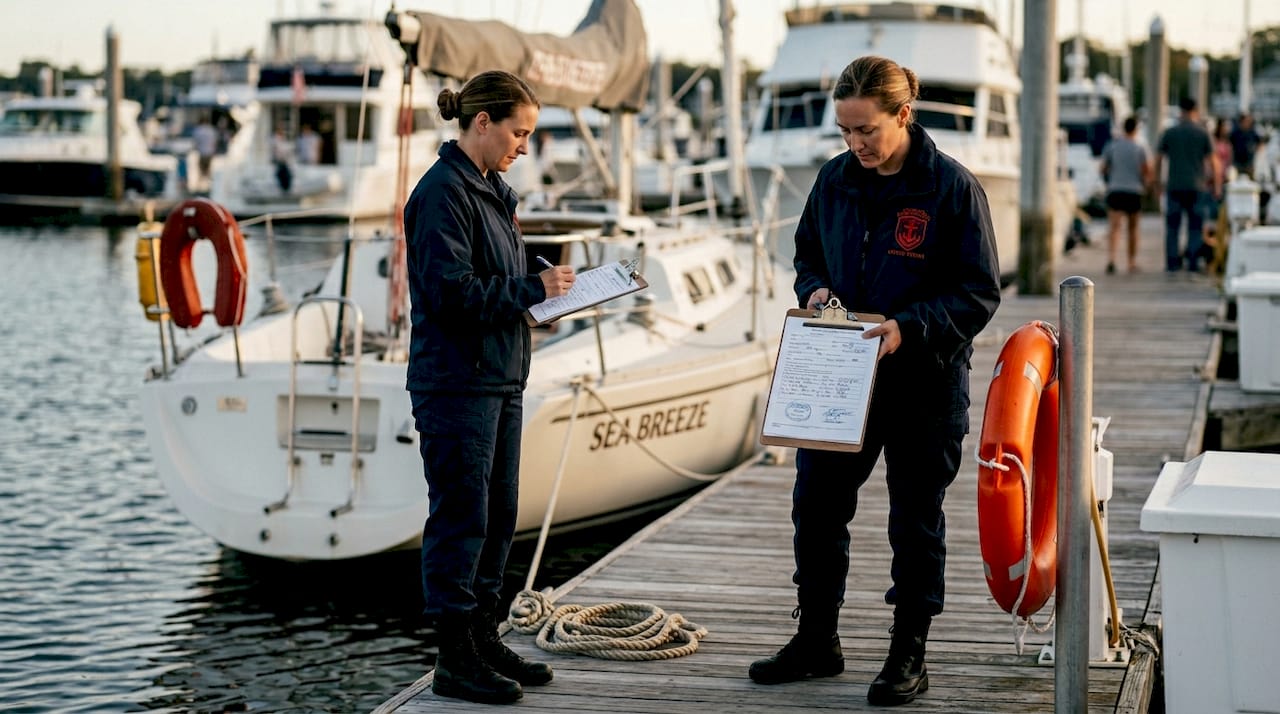
Monitoring compliance trends in 2026 shows a clear upward pattern: regulatory bodies in Europe, the Caribbean, and Southeast Asia are conducting more frequent checks, and beneficial ownership disclosure requirements are tightening. Deregistration that looked voluntary a year ago is increasingly being initiated by registries acting on intelligence from financial regulators.
Following brokerage compliance steps during any transaction protects both buyer and seller from inheriting a compliance problem that was created before the deal was signed.
Our take: The real cost of skipping vessel deregistration
Most maritime guides treat deregistration as an administrative formality, a box to check after the real work is done. We disagree fundamentally with that framing. After working with yacht owners, brokers, and commercial operators across dozens of flag states, we see deregistration as the final legal handshake in any vessel transaction. Skip it, and the handshake never completes.
The practical consequences are often severe. We have seen yacht operators face international port detention because a previous owner failed to properly deregister before a sale. The new owner, acting in complete good faith, arrived at a port to find their vessel flagged in a registry database as still belonging to the prior flag state. Clearing that situation required legal correspondence across two jurisdictions, a formal deregistration filing by a party who no longer owned the vessel, and nearly six weeks of delayed operations.
The reputational dimension matters too. Buyers at the premium end of the market conduct thorough due diligence. A clean deletion certificate is a signal that the previous owner managed the vessel responsibly. The absence of one raises immediate questions about what else may not have been handled properly.
There is also a financial dimension that most owners underestimate. Dual flagging, the state of being technically registered in two countries simultaneously, can expose the vessel to fee claims, tax obligations, and legal jurisdiction in both countries at once. That is rarely a situation that resolves cheaply.
Our advice is straightforward: treat deregistration with the same seriousness as the initial registration. Engage with your registry early, clear every financial obligation, and obtain every release document before initiating the process. If you are reflagging, your new registry should receive a complete, clean package from day one.
Streamlined global compliance is not just about where you register. It is about how cleanly you exit when circumstances change.
Need help navigating vessel registration and compliance?
Understanding deregistration is critical, and here’s where to turn for expert support when the process gets complex.
VesselFlag.com works with yacht owners and operators at every stage of the vessel lifecycle, from initial flag selection through deregistration, reflagging, and ongoing compliance management. Whether you are trying to figure out yacht vs boat registration requirements for your specific vessel type, need a walkthrough on how to register a yacht under a new flag after deregistration, or want to confirm registration validity for compliance before entering a foreign port, the platform’s experts have handled it across multiple jurisdictions.
Reach out to VesselFlag.com to get tailored guidance on your specific deregistration situation, including document checklists, registry contacts, and step-by-step support for smooth transitions between flag states.
Frequently asked questions
Do I need to deregister my yacht before selling it?
Yes, deregistration is essential before selling or transferring ownership to avoid dual flagging and legal complications. Deregistration is mandatory for ownership transfer to a new registry.
What documents do I need for vessel deregistration?
You typically need evidence of cleared debts, a completed application form, mortgage release letters, and a request for a deletion certificate. Deletion certificates depend on meeting debt-free and no-encumbrance status before the registry will act.
Can a vessel be deregistered due to sanctions or regulatory action?
Yes, registries can remove vessels from their flag due to sanctions, regulatory investigations, or suspicious actions even without owner consent. Sanctions and compliance triggers can prompt involuntary deregistration with limited advance notice to the owner.
How long does deregistration typically take?
Most deregistrations take several days to a few weeks if all documents are in order, but delays are common when financial encumbrances or documentation issues arise. Building in 4 to 6 weeks of lead time protects your transaction timeline.
Is deregistration different across flag states?
Yes, steps and requirements vary by country, but most require debt clearance, documentation, and official confirmation before issuing a deletion certificate. Deregistration processes and certificate requirements differ meaningfully among flag states, particularly in processing time and apostille requirements.