
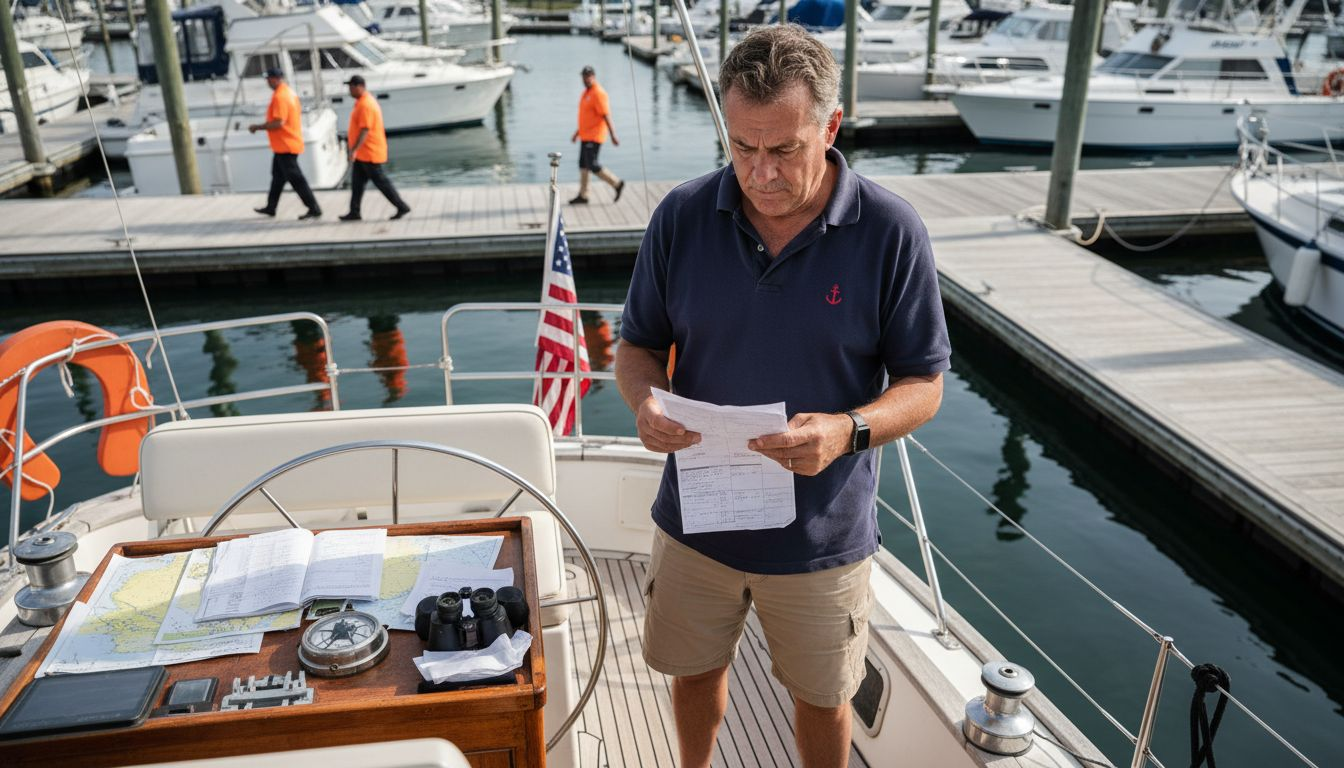
Many yacht owners assume registration is a one-time formality, but in 2026, international maritime law requires vessels to demonstrate a genuine link to their flag state for continued validity. Invalid registration can bar you from ports worldwide, trigger fines, or even lead to vessel confiscation. Understanding how registration validity works across different jurisdictions protects your investment and ensures seamless global navigation. This guide clarifies the processes, fees, and compliance requirements that keep your yacht legally operational in international waters.
Índice
- Why Yacht Registration Validity Matters Internationally
- Understanding Registration Requirements And Fees Across Flag States
- Legal Nuances And Challenges Affecting Registration Validity
- Maintaining Valid Yacht Registration: Practical Steps And Restoration Options
- Explore Professional Yacht Registration Services
- Preguntas frecuentes
Key takeaways
| Punto | Detalles |
|---|---|
| Registration grants nationality | Your yacht needs recognized nationality to access international ports and navigate foreign waters legally. |
| Fees vary significantly | Registration costs range from $1,000 to $10,000 depending on flag state, vessel size, and required services. |
| Genuine link is mandatory | Maritime law requires demonstrable connection to your flag state to prevent registration abuse and ensure validity. |
| Non-compliance has consequences | Invalid registration risks port denial, legal penalties, and operational restrictions across jurisdictions. |
| Restoration options exist | If registration lapses, reinstatement may be possible within five years through proper legal channels. |
Why yacht registration validity matters internationally
Yacht registration confers nationality required for international navigation and port access under maritime law. This nationality isn’t symbolic. It determines which laws govern your vessel, what ports you can enter, and how authorities treat you in foreign waters. Without valid registration, your yacht exists in legal limbo, unable to prove its right to sail or dock internationally.
Nationality allows you to legally navigate foreign waters and access ports that require proof of proper registration. Port authorities worldwide verify registration validity before granting entry, and discrepancies trigger immediate scrutiny. Valid registration means your documentation complies with both your flag state’s requirements and international standards, particularly the genuine link principle established by the United Nations Convention on the Law of the Sea.
Certain laws mandate this genuine link to prevent flag abuse, where owners register vessels in jurisdictions offering minimal oversight or tax advantages without any real connection. Registration of ships establishes nationality and allows your vessel to operate under particular state laws, linking it to your chosen flag state and granting essential legal protection. The genuine link requirement ensures flag states maintain effective jurisdiction and control over vessels flying their flag.
Invalid registrations can lead to denied port access, substantial fines, or even vessel confiscation in extreme cases. Port states increasingly scrutinize registration validity as part of enhanced maritime security measures implemented throughout 2026. Understanding yacht registration best practices helps you avoid these costly complications.
Pro Tip: Keep digital and physical copies of all registration documents onboard at all times, including certificates of registry, proof of ownership, and evidence of your genuine link to the flag state.
Key validity factors include:
- Proper documentation of ownership and vessel particulars
- Evidence of genuine connection to the flag state
- Compliance with renewal deadlines and fee payments
- Accurate beneficial ownership disclosure where required
- Adherence to flag state specific operational requirements
Understanding registration requirements and fees across flag states
Registration fees range from $1,000 to $10,000 depending on flag state, vessel size, and services. These costs reflect not just administrative processing but also the level of international recognition, legal protection, and operational flexibility each flag offers. Budget conscious owners often gravitate toward lower cost options, but the cheapest flag isn’t always the best value when you factor in renewal complexity, compliance requirements, and international acceptance.
Vessel and mortgage registration services are provided via ports of registry such as George Town, The Creek, and Bloody Bay. Each port maintains its own processing procedures, documentation standards, and fee structures. Some ports offer expedited services for additional fees, while others require physical inspection or local agent representation before finalizing registration.
Procedures vary significantly between jurisdictions. Some flags require physical presence during registration, while others accept remote applications with notarized documents. Proof of ownership typically includes bills of sale, builder’s certificates, or previous registration documents. Many flag states now require proof of residence or business presence to satisfy genuine link requirements, making it harder to register purely for convenience.

| Flag State | Typical Fee Range | Processing Time | Key Requirements |
|---|---|---|---|
| San Marino | $2,500 – $4,000 | 7-14 days | Corporate structure, vessel survey |
| Polonia | $1,500 – $3,500 | 10-21 days | EU compliance, ownership proof |
| UK Part 1 | $3,000 – $6,000 | 14-28 days | Residency link, tonnage measurement |
| Malta | $4,000 – $8,000 | 21-35 days | EU standards, comprehensive documentation |
| Palau | $1,200 – $2,800 | 5-10 days | Simplified process, minimal requirements |
Some registration systems are stricter to prevent abuse and ensure the genuine link principle is upheld. These jurisdictions conduct thorough background checks on owners, verify the accuracy of vessel information, and may require periodic compliance audits. While this adds complexity, it also enhances the registration’s international credibility and reduces the risk of validity challenges.
Costs include initial registration, annual renewals, and possible mortgage registrations if you financed your yacht purchase. Renewal fees typically range from 30% to 60% of initial registration costs. Mortgage registration adds another layer of fees but provides crucial legal protection for lenders and can facilitate better financing terms. Understanding boat registration cost factors helps you budget accurately for both initial and ongoing expenses.
Pro Tip: Request a detailed fee breakdown before committing to any flag state, including hidden costs like mandatory surveys, agent fees, or compliance audits that might not appear in advertised rates.
Additional considerations affecting total costs:
- Mandatory vessel surveys and safety inspections
- Legal agent or representation fees in certain jurisdictions
- Translation and notarization of foreign documents
- MMSI and radio licensing fees
- Annual tonnage taxes or operational levies
Legal nuances and challenges affecting registration validity
International maritime law requires vessels to demonstrate a genuine link to the flag state for effective jurisdiction and control. This principle prevents flag hopping, where owners repeatedly change registrations to avoid legal obligations or exploit regulatory gaps. The genuine link can be established through owner residency, corporate presence, vessel homeport, or significant business operations within the flag state.
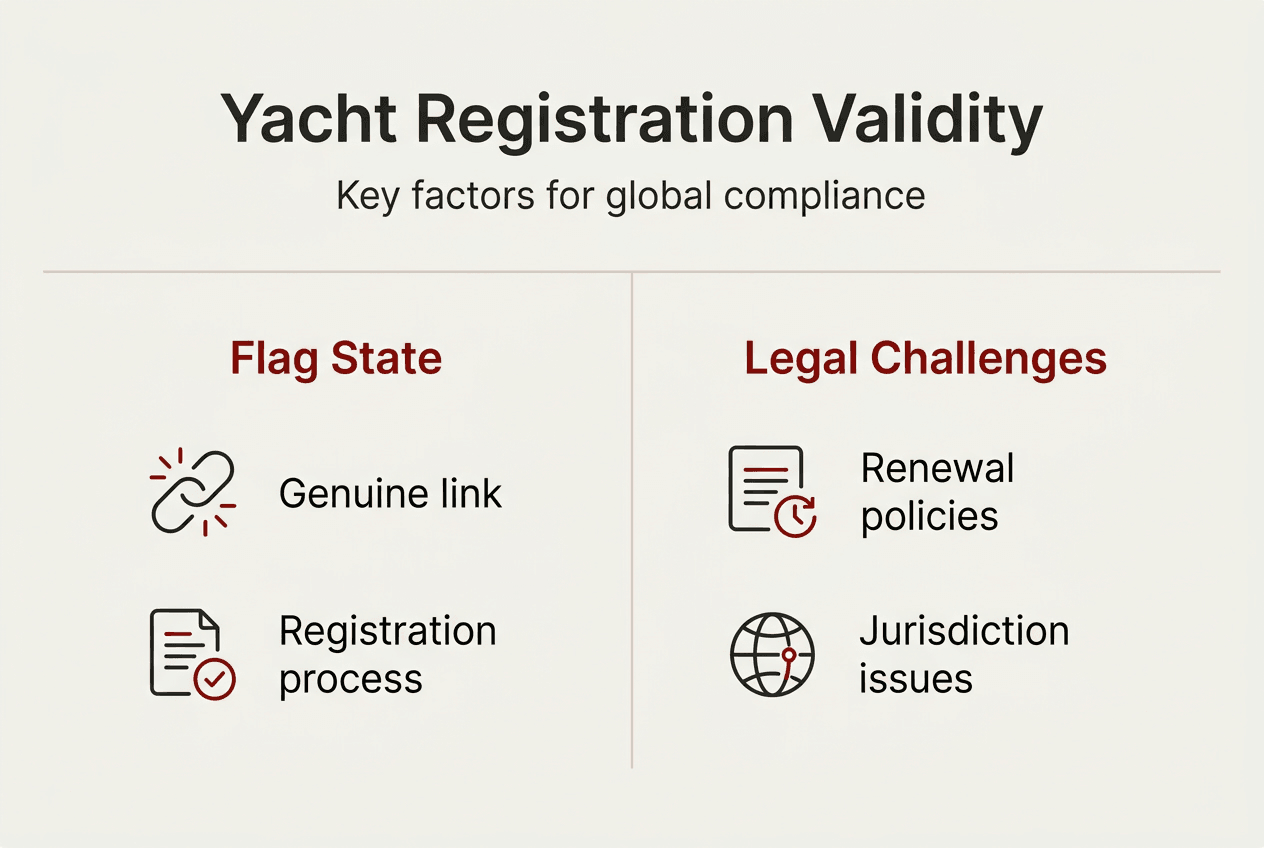
States have implemented stricter renewal policies to combat invalid registrations and close loopholes that enabled flags of convenience abuse. Delaware will not renew boat registrations without proof of vessel being primarily kept in state, due to past abuses. This 2023 policy shift caught many owners off guard and forced them to seek alternative registrations or relocate their vessels.
Not demonstrating the genuine link can lead to non-renewal, substantial fines, or complete invalidity of your registration. Port state control inspections increasingly verify not just documentation completeness but also the substantive connection between vessel and flag. Inspectors may question crew about actual homeport, review maintenance records for location patterns, or cross reference GPS data with claimed operational areas.
Legal cases show restoration options but highlight compliance importance. Courts have upheld flag state authority to deny or revoke registrations lacking genuine connection, even when owners met technical documentation requirements. Conversely, some jurisdictions offer appeals processes or administrative remedies for owners who can demonstrate good faith efforts to maintain valid registration.
Owners should keep thorough documentation proving genuine link and compliance. This includes utility bills or property records showing residence, business registration documents, vessel maintenance records from local service providers, and crew employment contracts. The more evidence you maintain, the easier it becomes to defend your registration’s validity if challenged. Familiarizing yourself with yacht registration challenges prepares you for potential complications.
Pro Tip: Create a compliance binder with organized tabs for ownership documents, genuine link evidence, correspondence with flag authorities, and renewal confirmations to streamline inspections and audits.
Common compliance pitfalls to avoid:
- Failing to update registration after ownership transfers or corporate structure changes
- Missing beneficial ownership disclosure deadlines imposed by new transparency regulations
- Neglecting to renew supporting documents like surveys or insurance that flag states require remain current
- Operating primarily in waters far from your flag state without documented business justification
- Ignoring correspondence from registry authorities requesting updated information or compliance verification
“The genuine link requirement isn’t bureaucratic red tape. It’s the foundation of maritime law that ensures flag states can effectively regulate vessels and respond when things go wrong.”
Maintaining valid yacht registration: practical steps and restoration options
Keep current documentation proving ownership, residency, and vessel particulars at all times. Registration validity depends on the accuracy and currency of information on file with your flag state. When ownership changes, vessel modifications occur, or your business structure evolves, update your registration immediately. Delays create gaps that can invalidate your registration or complicate renewals.
Regularly renew registration before expiration dates to avoid lapses that trigger penalties or require full re-registration. Most flag states send renewal notices 60 to 90 days before expiration, but relying solely on these notices is risky. Calendar reminders set for 120 days before expiration give you ample time to gather updated documents, resolve any discrepancies, and submit renewal applications without rushing.
If registration is struck off, legal reinstatement can be pursued within five years under certain jurisdictions. Regulation 9(4) allows restoration of companies struck off for up to five years. This provision offers a critical safety net for owners whose registrations lapsed due to administrative oversights, missed correspondence, or corporate dormancy rather than intentional abandonment.
Restoration involves application by shareholders or interested parties who can demonstrate legitimate interest in reinstating the registration. Legal precedent establishes options to reinstate companies and maintain registration validity through proper legal channels. The process typically requires filing formal applications, paying outstanding fees and penalties, providing explanations for the lapse, and demonstrating current compliance with all registration requirements.
| Restoration Timeline | Required Actions | Typical Costs |
|---|---|---|
| 0-6 months after striking off | Administrative reinstatement, pay arrears | Original fees plus 10-25% penalty |
| 6-24 months after striking off | Formal application, compliance audit | Original fees plus 25-50% penalty |
| 24-60 months after striking off | Court application, legal representation | Original fees plus 50-100% penalty, legal costs |
Avoid common mistakes like missing filings or failure to provide beneficial ownership data required under enhanced transparency regulations implemented across multiple jurisdictions in 2026. These regulations mandate disclosure of individuals who ultimately own or control vessels, even when registered through corporate structures. Non-compliance can trigger automatic registration suspension or revocation.
Pro Tip: Establish a relationship with a maritime attorney or registration agent in your flag state who can monitor regulatory changes, remind you of deadlines, and quickly resolve issues before they escalate to registration invalidity.
Proactive maintenance steps:
- Set multiple calendar reminders for renewal deadlines at 120, 90, and 60 days before expiration
- Review and update all supporting documentation annually, even if not immediately required for renewal
- Maintain active communication channels with your flag state registry, responding promptly to any inquiries
- Keep detailed records of vessel location, usage patterns, and maintenance to demonstrate genuine operational connection
- Budget for registration costs as recurring annual expenses rather than discretionary spending
- Consider professional registry management services if you own multiple vessels or operate internationally
Following a comprehensive yacht registration checklist ensures you address all requirements systematically and maintain continuous validity without gaps or complications.
Explore professional yacht registration services
Navigating yacht registration complexity across multiple jurisdictions demands specialized expertise that most owners lack. Professional services streamline the registration and renewal processes, ensuring you meet evolving 2026 international compliance standards without dedicating countless hours to research and paperwork. Expert guidance helps you select the optimal flag for your operational needs, budget constraints, and long term plans.
Specialized registration services maintain current knowledge of regulatory changes across dozens of flag states, something individual owners struggle to track. They understand nuanced genuine link requirements, know which documentation satisfies specific registries, and have established relationships with flag authorities that expedite processing. Using professional support reduces errors that trigger delays, rejections, or validity challenges down the line.
Comprehensive resources like a complete yacht registration guide and boat registration process guide 2026 walk you through every step with clarity. These guides explain technical requirements in plain language, provide document templates, and offer troubleshooting advice for common obstacles. Combining professional services with educational resources gives you both expert execution and personal understanding of your registration status.
A detailed 6 step yacht registration checklist helps you organize documentation, track progress, and ensure nothing falls through the cracks. Professional services can protect your vessel’s operational legality, preserve your access to international waters, and give you peace of mind that your registration remains valid and defensible under scrutiny.
Frequently asked questions
What happens if my yacht registration becomes invalid?
Invalid registration immediately restricts your ability to access ports and navigate international waters legally. Port authorities can deny entry, impose fines, or in severe cases detain your vessel until registration issues are resolved. You lose the legal protections your flag state provides and may face liability issues if incidents occur while operating with invalid registration. Reinstatement options exist but involve penalties, administrative processes, and potential operational downtime that disrupts your plans.
How do registration fees vary between different flag states?
Registration fees range typically between $1,000 and $10,000 based on flag state policies, vessel size and type, and included services. Premium flags offering strong legal frameworks, international recognition, and comprehensive support command higher fees. Budget flags with minimal requirements cost less initially but may lack the credibility or legal protection valuable for serious yacht owners. Additional fees for mortgage registration, surveys, and agent representation can significantly increase total costs beyond base registration rates.
Can I reinstate a yacht registration if it was struck off?
Yes, reinstatement is often possible within five years through legal application processes. Restoration applications can be made within five years of the striking off notice in jurisdictions following this regulatory framework. The process requires demonstrating legitimate interest, paying outstanding fees and penalties, explaining the lapse, and proving current compliance with all requirements. Earlier applications within the five year window typically face simpler procedures and lower costs than those filed near the deadline.
What documentation proves a genuine link to my flag state?
Genuine link documentation includes evidence of residency like utility bills or property ownership records, business registration certificates showing corporate presence, vessel maintenance invoices from local service providers, and crew employment contracts. Some flag states accept homeport designation, regular use of local marinas, or significant business operations conducted from the jurisdiction. The stronger and more varied your evidence, the more defensible your registration becomes if authorities question its validity during inspections or renewals.
How often must I renew my yacht registration?
Most flag states require annual renewal, though some offer multi year options for additional fees. Renewal deadlines are strict, and missing them can trigger penalties, registration suspension, or complete striking off that requires full re-registration. Flag authorities typically send renewal notices 60 to 90 days before expiration, but owners bear ultimate responsibility for tracking deadlines regardless of whether notices arrive. Setting personal reminders well in advance of expiration dates prevents costly lapses and maintains continuous validity.
Recomendado
- Puntos débiles del registro de yates: Navegue por la conformidad mundial con confianza - Vessel Flag
- Top Challenges in Yacht Registration and Compliance: Navigate Global Regulations with Confidence – Vessel Flag
- 7 Buenas prácticas para el registro de yates en todo el mundo
- Boat registration process guide 2026: efficient global compliance

[…] inspection. If your paperwork needs a refresh before you cross into EU waters, review how to ensure yacht registration validity before you rely on it at a […]