

Over one-third of superyachts worldwide operate under corporate ownership structures, a strategic choice that transforms how owners manage international compliance, liability exposure, and operational flexibility. This isn’t just paperwork. Corporate registration creates a legal framework that shields personal assets, simplifies cross-border operations, and unlocks tax advantages unavailable to individual owners. Understanding how corporate registration integrates with vessel flagging reveals why sophisticated yacht owners consistently choose this path for their maritime investments.
Inhaltsübersicht
- Key takeaways
- Understanding corporate registration and its mechanics in yachting
- The strategic benefits of corporate registration for yacht owners
- Choosing the right jurisdiction and aligning corporate registration with vessel flag
- Navigating compliance complexities and minimizing risks with corporate yacht registration
- Navigate corporate yacht registration with Vessel Flag’s expert solutions
- Frequently asked questions
Wichtigste Erkenntnisse
| Punkt | Einzelheiten |
|---|---|
| Liability protection | Corporate ownership creates a legal barrier that shields personal assets from vessel debts, claims, and liabilities. |
| Privacy advantages | Non public registries and limited public disclosure help protect owner privacy while still meeting AML and regulatory requirements. |
| Offshore tax benefits | Foreign source income can be taxed zero or at reduced rates in many offshore jurisdictions, delivering significant tax savings. |
| Dual ownership model | The two step framework separates ownership from registration and allows operational control, chartering, crew hiring, and contracting under a corporate structure. |
| KYC and compliance | Thorough KYC documentation and FATF aligned declarations are essential to prevent regulatory risks and expedite processing. |
Understanding corporate registration and its mechanics in yachting
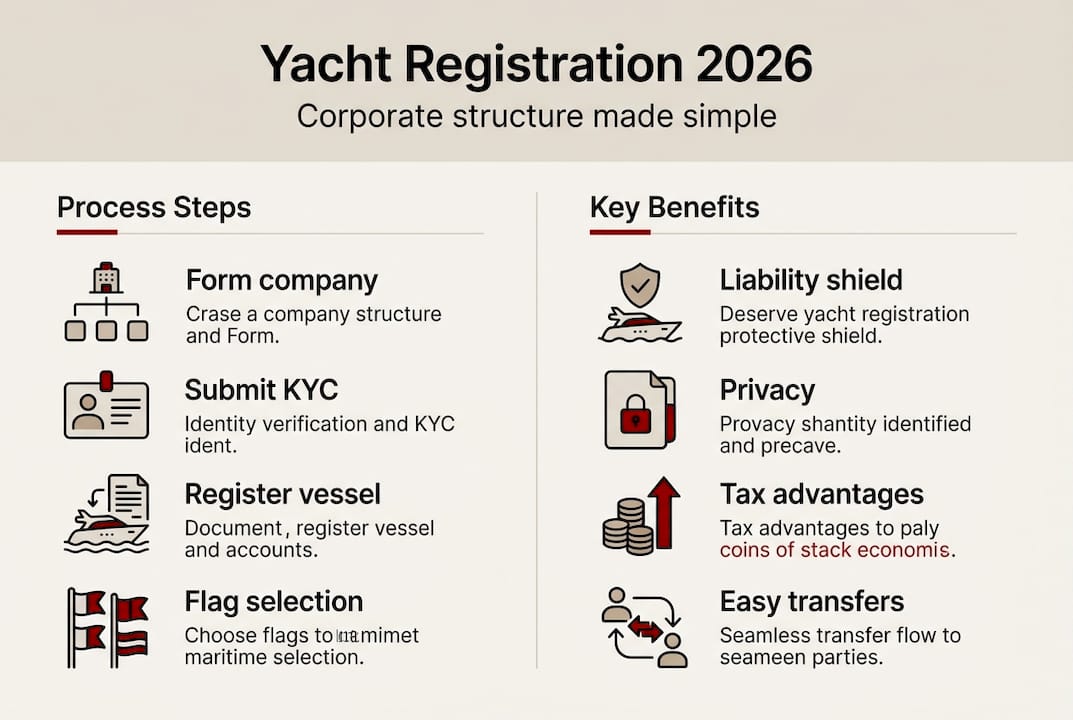
The process typically involves forming an offshore company, submitting KYC documents, and registering the yacht under the corporate entity with the chosen flag state. This two-step framework separates ownership from vessel registration while maintaining full operational control.
Offshore company formation establishes the legal entity that will own the vessel. Popular jurisdictions include the British Virgin Islands, Cayman Islands, Malta, and Marshall Islands, each offering distinct regulatory environments and tax structures. The company becomes the registered owner, creating a legal barrier between personal assets and vessel liabilities.
Documentation requirements follow standardized international protocols:
- Valid passports for all beneficial owners and directors
- Articles of incorporation and corporate bylaws
- KYC declarations including proof of address and financial references
- Beneficial ownership declarations meeting FATF standards
- Corporate resolutions authorizing vessel purchase and registration
Die yacht registration guide details how vessels are registered in the company name with the chosen flag state. This creates a formal ownership record recognized internationally while maintaining the corporate structure’s legal protections.
Typical timelines run three to four weeks from initial application to completed registration. Jurisdictions with established maritime registries process applications faster when documentation is complete and accurate. The boat company registration guide walks through jurisdiction-specific requirements.
This dual registration framework facilitates legal ownership while providing operational flexibility. The corporate entity can charter the vessel, hire crew, enter contracts, and conduct maritime commerce under a recognized legal structure. Corporate yacht registration overview explains how this structure supports both private and commercial vessel operations.
The strategic benefits of corporate registration for yacht owners
Corporate ownership provides liability separation, privacy due to non-public registries, and significant tax advantages especially on foreign-source income. These benefits explain why sophisticated owners consistently choose corporate structures over individual registration.
Liability protection isolates owner’s personal assets from vessel-related risks. If the yacht incurs debts, faces legal claims, or causes environmental damage, creditors can only pursue corporate assets. Your home, investments, and personal property remain protected behind the corporate veil.
Privacy enhancement comes from non-public beneficial ownership registries in many offshore jurisdictions. While you must disclose beneficial ownership to authorities for AML compliance, this information typically stays confidential rather than appearing in public databases. This protects against unwanted attention and maintains discretion.
Tax neutrality on foreign income represents a major financial advantage. Many offshore jurisdictions impose zero corporate income tax on foreign-source revenue, including charter income earned outside their territorial waters. This creates significant savings compared to high-tax domiciles.
Key corporate registration advantages include:
- Asset protection through limited liability structures
- Confidential ownership not appearing in public records
- Tax-efficient income treatment in zero-tax jurisdictions
- Simplified ownership transfers via share sales
- Professional corporate framework for chartering operations
Ownership transfers become dramatically simpler through corporate share transfers. Instead of re-registering the entire vessel, you simply transfer company shares to the new owner. This avoids re-documentation fees, flag state processing delays, and potential tax triggers from direct vessel sales.
Pro Tip: Structure your corporate ownership to match your operational intent from day one. Converting from private to commercial use later can trigger retroactive tax assessments and compliance complications.
Die corporate yacht ownership benefits guide details how these advantages compound over the vessel’s operational lifetime. Charter income flows tax-efficiently, liability stays contained, and ownership transitions happen seamlessly. The superyacht registration guide explains how major yacht management firms leverage these structures for client vessels.
Commercial chartering becomes straightforward under corporate frameworks. The company holds necessary licenses, employs crew, maintains insurance, and conducts business as a recognized legal entity. This professionalization satisfies flag state requirements while creating clear operational boundaries between owner use and commercial activity.
Choosing the right jurisdiction and aligning corporate registration with vessel flag
Cayman Islands holds 50% of superyachts over 30 meters and is tax-neutral; Malta offers EU VAT compliance benefits; Marshall Islands and Isle of Man are favored for commercial and corporate structures, respectively. Strategic jurisdiction selection determines your tax exposure, compliance burden, and operational flexibility.
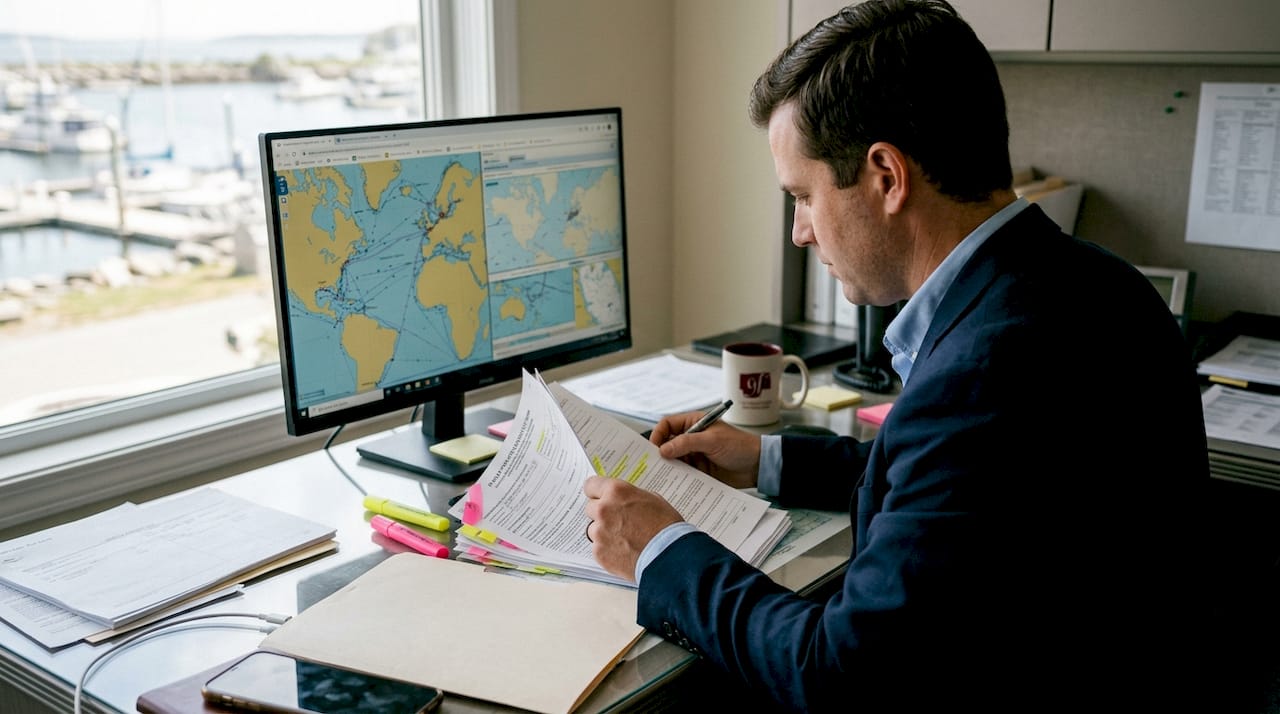
Selection criteria balance multiple competing priorities. Tax regime affects both corporate income and potential VAT obligations. Regulatory compliance requirements vary from minimal oversight to comprehensive reporting. Privacy protections differ significantly across jurisdictions. Operational needs include crew licensing, safety certification, and port access.
Corporate and flag jurisdictions can differ but must be compatible to avoid tax and AML complications. A British Virgin Islands company can own a Malta-flagged yacht, but you must ensure both jurisdictions recognize the arrangement and that no tax gaps or overlaps exist.
Choosing White List flags reduces port state control inspections and insurance costs. Paris MOU and Tokyo MOU maintain quality flag rankings based on inspection performance. High-performing flags face fewer detentions and inspections, reducing operational disruptions and insurance premiums.
| Jurisdiction | Tax structure | Key advantage | Typical use case |
|---|---|---|---|
| Kaimaninseln | Zero corporate tax | Tax neutrality, established registry | Large superyachts, commercial operations |
| Malta | EU VAT compliant | European cruising access | Vessels operating in EU waters |
| Marshallinseln | Tonnage tax available | Commercial flexibility | Charter yachts, larger commercial vessels |
| British Virgin Islands | Zero corporate tax | Privacy, simple formation | Private yachts, holding structures |
Misalignment risks between corporate and flag jurisdictions include VAT clawbacks when tax authorities identify structural inconsistencies. If your corporate domicile suggests commercial use but your flag registration claims private status, expect scrutiny. The yacht registration validity guide explains compliance requirements.
KYC and AML declarations are mandatory across all jurisdictions following FATF standards. You must disclose beneficial owners controlling 10% or more of the corporate entity, provide proof of funds for vessel purchase, and demonstrate legitimate business purposes. These requirements protect the maritime industry’s reputation while preventing illicit finance.
Pro Tip: Align your corporate jurisdiction with your primary cruising area when possible. A Malta company with Malta flag simplifies EU VAT compliance, while a Marshall Islands structure works better for global commercial operations.
Die vessel registration global guide details jurisdiction-specific requirements and processing timelines. The best flag state guide provides comparative analysis of major maritime registries and their corporate ownership frameworks.
Navigating compliance complexities and minimizing risks with corporate yacht registration
Private use of a commercially registered corporate yacht can trigger significant VAT liabilities and penalties, as exemplified by a €3.4M VAT clawback case in the EU. Understanding these compliance risks helps you structure operations to avoid costly enforcement actions.
Risk of VAT clawbacks arises when private and commercial uses mix improperly. If you deduct VAT on vessel purchase claiming commercial charter use, then primarily use the yacht privately, tax authorities can reclaim the entire VAT deduction plus penalties and interest. This creates exposure worth millions on large yachts.
Common compliance challenges include:
- Demonstrating genuine commercial intent when claiming VAT exemptions
- Maintaining separate accounting for owner use versus charter operations
- Meeting minimum charter day requirements in some jurisdictions
- Documenting arm’s length charter rates for related party use
- Satisfying beneficial ownership disclosure requirements
Mismatch between corporate registration and flag jurisdictions creates tax and compliance complications when authorities in different countries apply conflicting rules. A tax-neutral corporate domicile combined with a flag state requiring income reporting can create unexpected filing obligations.
Mandatory AML and KYC declarations require accurate beneficial ownership reporting under international standards. You must identify natural persons who ultimately own or control the corporate entity, not just the immediate corporate shareholders. This transparency requirement applies regardless of privacy protections in your chosen jurisdiction.
“Tax authorities increasingly scrutinize corporate yacht structures, particularly when VAT deductions or tax exemptions are claimed. Proper documentation of commercial intent and actual charter activity is essential to defend these positions during audits.”
US tax benefits require active participation thresholds be met for charter deductions. The IRS applies strict tests for yacht charter businesses, requiring substantial charter days, professional management, and profit motive. Personal use exceeding limits disqualifies deductions entirely.
Compliance best practices follow this framework:
- Document commercial intent with business plans and charter marketing
- Maintain detailed logs separating owner use from charter operations
- Charge arm’s length rates for any related party charters
- File all required beneficial ownership and tax disclosures
- Conduct annual compliance reviews with maritime counsel
- Renew corporate and flag registrations before expiration
Annual renewals and registration validity are critical to avoid operational disruption. An expired flag registration can strand your vessel in port, void insurance coverage, and create legal liability. The yacht registration pain points guide identifies common renewal failures and prevention strategies.
Die key yacht compliance requirements resource details jurisdiction-specific filing deadlines and documentation standards. Proactive compliance management prevents the enforcement actions that plague reactive owners who address issues only after authorities intervene.
Navigate corporate yacht registration with Vessel Flag’s expert solutions
Corporate yacht registration demands precision across multiple jurisdictions, each with distinct requirements and timelines. Vessel Flag streamlines this complexity with comprehensive support for corporate formation, flag registration, and ongoing compliance management. Our expertise helps you avoid the costly pitfalls that catch unprepared owners, from VAT clawbacks to registration lapses.
We guide you through jurisdiction selection, matching your operational needs with optimal corporate and flag combinations. Whether you need tax-neutral structures for global cruising or EU-compliant frameworks for Mediterranean operations, our team ensures proper alignment from day one. The how to register a yacht guide introduces our streamlined process.
Our services handle documentation preparation, beneficial ownership declarations, and regulatory filings across major maritime jurisdictions. We maintain relationships with flag state authorities and corporate registries worldwide, enabling faster processing and direct communication channels. The ensure yacht registration validity resource explains our compliance monitoring systems. Understanding the yacht vs boat registration distinctions helps you choose the right registration path for your vessel.
Frequently asked questions
Why are so many superyachts owned through corporate entities?
Corporate ownership provides liability protection, privacy advantages, and tax efficiency unavailable to individual owners. The corporate structure isolates personal assets from vessel risks while enabling professional charter operations. Over 37% of superyachts use corporate structures because they simplify international operations and ownership transfers. The corporate yacht ownership guide details these strategic advantages.
How does corporate registration protect yacht owners legally and financially?
Corporate registration separates personal assets from yacht liabilities through limited liability structures. If the vessel incurs debts or legal claims, creditors can only pursue corporate assets, not your personal wealth. It enables tax neutrality on foreign income in many jurisdictions, creating significant savings on charter revenue. Ownership transfers become simple share transactions rather than complex vessel re-registrations.
What are common tax risks with corporate yacht registration and how to avoid them?
Private use of commercially registered yachts can trigger VAT clawbacks worth millions when tax authorities challenge your commercial intent. Ensure flag and corporate registration jurisdictions are compatible to avoid conflicting tax treatments and reporting gaps. Maintain robust KYC documentation and separate accounting for owner use versus charter operations. Document genuine commercial activity with charter contracts, marketing efforts, and professional management to defend tax positions during audits.
Which jurisdictions are best for corporate yacht registration?
Cayman Islands dominates with 50% of superyachts over 30 meters, offering tax neutrality and an established registry. Malta provides EU VAT compliance benefits essential for vessels cruising European waters. Marshall Islands and Isle of Man offer commercial flexibility with tonnage tax options and strong corporate frameworks. British Virgin Islands combines privacy protections with simple formation procedures for private yachts.
How long does corporate yacht registration typically take?
Typical timelines run three to four weeks for offshore company setup and vessel registration combined. This assumes complete documentation including passports, KYC declarations, articles of incorporation, and beneficial ownership disclosures. Jurisdictions with streamlined registries process applications faster when all requirements are met upfront. Incomplete documentation or complex ownership structures can extend timelines to six or eight weeks.