
TL;DR:
- Proper, notarized documents are essential to ensure smooth yacht registration approval.
- Compliance certificates like tonnage, SOLAS, and crew certifications must remain valid for operational legality.
- Choosing a reputable open registry with expert guidance accelerates registration and maintains ongoing compliance.
Assembling the right paperwork before you register a yacht under an international flag is not a formality. It is the difference between a smooth, fast approval and weeks of back-and-forth with port authorities, surveyors, and registry clerks. Miss one document, submit an unnotarized copy, or use an outdated deletion certificate, and you could face fines, port detention, or a complete restart of your application. This guide walks you through every essential document category, compares requirements across top open registries, and gives you the expert strategies that experienced owners use to stay compliant and move fast.
Índice
- Essential ownership documents for registration
- Compliance and technical certificates: What you must provide
- Registry-specific forms and edge-case documents
- Process timeline and cost benchmarks
- What yacht owners miss: Compliance pitfalls and expert strategies
- Streamline your yacht registration: Expert help and resources
- Frequently asked questions
Principais conclusões
| Ponto | Detalhes |
|---|---|
| Core documents required | Bill of Sale, Builder’s Certificate, and proof of ownership are mandatory for vessel registration. |
| Technical compliance needed | Certificates like SOLAS/MARPOL, tonnage, and crew qualifications must be up-to-date for full approval. |
| Registry forms vary | Each flag state requires its own application and supporting forms, especially for corporate ownership. |
| Fast-track options | Open registries can process your yacht in days, but only with complete documents. |
| Digital strategy matters | Digital document backups speed up inspections and minimize risks of delays or fines. |
Essential ownership documents for registration
Every international registry starts with the same foundational question: who owns this vessel, and how did they acquire it? The answer lives in your ownership documents, and getting them right the first time saves enormous headaches.
Core ownership documents universally required for yacht registration include the Bill of Sale, Builder’s Certificate for new builds, a previous Deletion Certificate if the vessel was registered elsewhere, and proof of ownership such as a Manufacturer’s Statement of Origin or transfer documents.
Here is what each document actually does:
- Fatura de venda: The primary proof of purchase. It must name the buyer and seller clearly, include the vessel’s hull identification number (HIN), and be notarized. Even minor name mismatches between the Bill of Sale and your passport can trigger rejection.
- Builder’s Certificate: Required for new vessels. This confirms the vessel was built to specification and identifies the original manufacturer. Registries use it to verify the vessel’s identity before any ownership chain begins.
- Certificado de supressão: If your yacht was previously registered under another flag, this document proves it has been formally removed from that registry. Without it, you cannot legally register under a new flag. Obtaining one can take weeks from some registries, so request it early.
- Manufacturer’s Statement of Origin (MSO): Used primarily for vessels that have never been registered. Think of it as the maritime equivalent of a vehicle title.
- Transfer documents: Required when ownership has changed hands multiple times. Every link in the ownership chain must be documented and traceable.
Notarization is not optional. Most registries require notarized originals or certified copies, and some, like the Cayman Islands registration guidance framework, require apostille authentication for foreign documents. A document that looks complete but lacks proper authentication will be rejected.
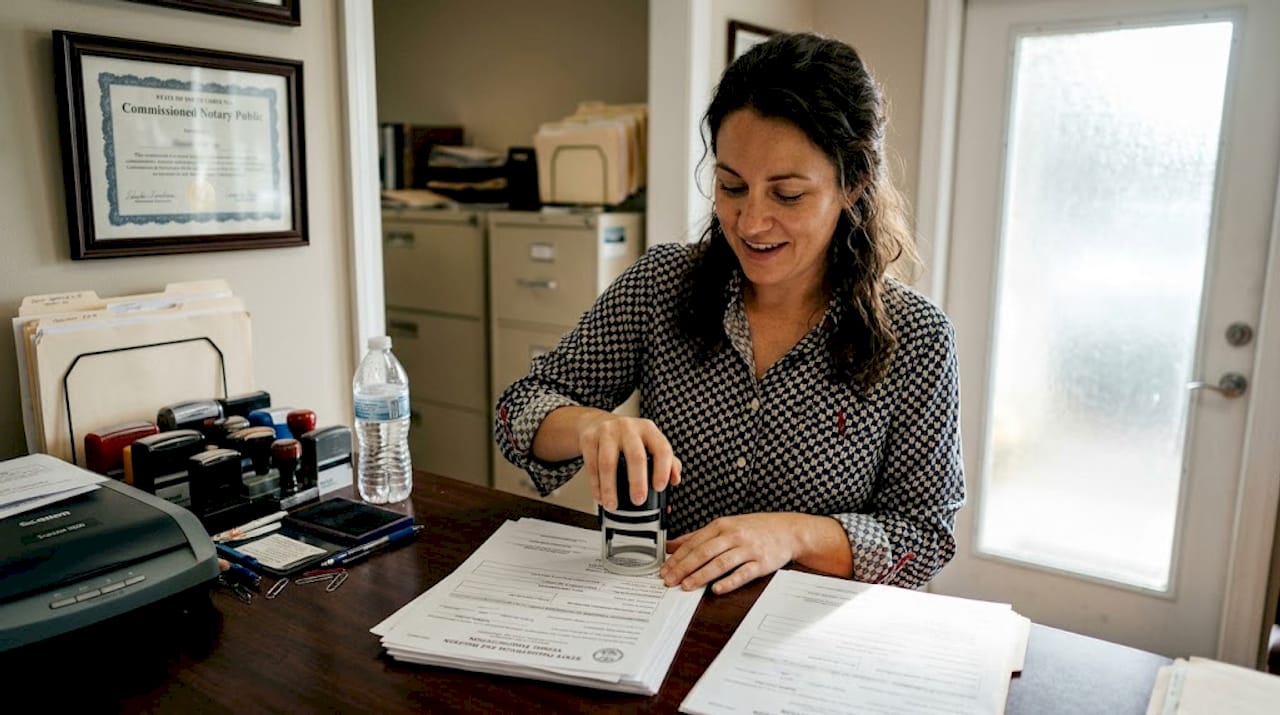
A common pitfall is name mismatches. If your Bill of Sale uses a middle name that your passport omits, or a company name that differs slightly from your Certificate of Incorporation, expect delays. Cross-check every document against your official ID before submission.
Use the registration checklist to organize documents by category and track which ones need notarization or apostille. The registration process guide also walks through sequencing, which matters when some documents expire.
Pro Tip: Scan every original document at 300 DPI and store copies in a cloud folder organized by registry requirement. During port inspections, digital backups can satisfy initial requests while you locate originals, saving time and reducing stress.
Compliance and technical certificates: What you must provide
With core ownership papers covered, it is crucial to tackle the technical certificates that will be scrutinized during registration. These are not one-time submissions. They require ongoing renewal and must remain valid throughout your vessel’s operational life.
Technical and compliance certificates essential for registration include a Tonnage Certificate measured by an approved surveyor, Safety Compliance Certificates covering SOLAS and MARPOL standards, an ISM Certificate, a Pollution Prevention Certificate, Crew Certifications under STCW, and a Certificate of Seaworthiness.
Breaking these down by vessel size helps clarify who needs what:
- Tonnage Certificate: Required for virtually all vessels over a certain gross tonnage. An IACS-approved surveyor must measure and certify the vessel. This certificate feeds directly into your annual tonnage tax calculation.
- SOLAS/MARPOL certificates: The Marshall Islands Yacht Code mandates SOLAS and MARPOL equivalencies for yachts registered under that flag. Most major open registries apply similar standards for vessels over 24 meters.
- ISM Certificate: The International Safety Management code applies to commercial vessels and larger yachts used for charter. It requires a documented Safety Management System onboard.
- Certificado de prevenção da poluição: Covers oil discharge, garbage management, and sewage. Inspectors check this during port state control visits.
- STCW Certifications: Crew members on vessels operating internationally must hold valid STCW certificates. Registries verify crew qualifications as part of the compliance package.
- Certificado de navegabilidade: Issued after a physical survey confirms the vessel is fit for its intended operation.
“Incomplete compliance documents can result in port detention or fines.”
O compliance guide covers renewal schedules for each certificate type, which is critical because SOLAS and MARPOL certificates typically expire annually or every five years depending on the survey cycle. The registration process guide explains how to sequence certificate applications alongside your registration submission.
Pro Tip: Start your Tonnage Survey and SOLAS compliance applications at least 60 days before your target registration date. Surveyors in popular yacht hubs book out fast, and a delayed survey certificate will hold up your entire application.
Registry-specific forms and edge-case documents
Beyond the standard paperwork, registries introduce their own requirements and special procedures. Knowing these in advance prevents last-minute scrambles.
For the Cayman Islands, the required forms include:
- Application to Register
- Declaration of Ownership
- Appointment of Representative Person
- Certificate of Good Standing (for corporate owners)
- Passport copies for all beneficial owners
- Tonnage Survey by an IACS-approved society
O Marshall Islands Registry requires submission of application forms from their Document Library, approval for both ownership and standards compliance, and issues a Certificate of Registry upon approval. Forms are updated periodically, so always download the current version directly from their portal.
Here is a comparison of document requirements by ownership type:
| Document | Private owner | Corporate owner |
|---|---|---|
| Fatura de venda | Required | Required |
| Passport copy | Required | Directors/shareholders |
| Certificate of Incorporation | Not required | Required |
| Certificate of Good Standing | Not required | Required |
| Representative Person appointment | Sometimes | Required (non-residents) |
| Tonnage Survey | Required | Required |
| Certificado de supressão | If previously registered | If previously registered |
Corporate ownership adds a layer of documentation that catches many owners off guard. If the owning entity is registered offshore, you will need a Certificate of Incorporation, a Certificate of Good Standing dated within the last three to six months, and the appointment of a local Representative Person. This person acts as the official contact for the registry and must be a resident or licensed agent in the flag state.
Demise charter arrangements add another layer. If the vessel is being registered under a demise charter, the bareboat charter agreement must be submitted alongside the owner’s consent documents.
Review the Marshall Islands registration steps e Cayman Islands registration steps for flag-specific form templates. For structuring ownership entities, the corporate registration setup guide covers the most efficient approaches.
Pro Tip: Provisional registration is available through most open registries for urgent situations. It grants a temporary Certificate of Registry while full documentation is assembled, letting you operate legally for 3 to 6 months.
Process timeline and cost benchmarks
With the paperwork mapped out, timing and cost management are the next critical steps to avoid pitfalls.
The registration process follows six core steps: verify ownership documents, select your flag state, obtain surveys and tonnage certification, secure MMSI and radio licensing, arrange vessel insurance, and submit to the registry. Timelines vary significantly. Fast flags like San Marino can complete registration in 2 to 7 days, while Cayman Islands and Marshall Islands typically take several weeks due to survey requirements and document review.
Here is a direct comparison across three popular open registries:
| Registo | Initial registration cost | Annual tonnage tax | Typical timeline |
|---|---|---|---|
| Ilhas Caimão | $8,000 to $15,000 | $2,000 to $6,000 | 3 to 6 weeks |
| Ilhas Marshall | $2,000 to $4,000 | $2,000 to $5,000 | 2 to 4 weeks |
| São Marinho | Lower entry cost | Competitive rates | 2 to 7 days |
Cost benchmarks show that initial registration under the Cayman Islands flag runs $8,000 to $15,000, while Marshall Islands costs $2,000 to $4,000. Annual tonnage taxes range from $2,000 to $6,000 depending on gross tonnage. Faster processing through open flags also reduces indirect costs like yard fees and crew wages during waiting periods.
Budgeting checklist for registration:
- Survey and tonnage certification fees
- Registry application and initial registration fees
- Annual tonnage tax (budget for year one and year two)
- MMSI and radio licensing fees
- Vessel insurance premiums
- Legal or agent fees for document preparation
- Apostille and notarization costs
O registration benefits page breaks down how open flag registration translates into real financial advantages, particularly for owners who move between jurisdictions frequently.
What yacht owners miss: Compliance pitfalls and expert strategies
Having seen the requirements, let us explore the real-world strategies that seasoned owners use to stay ahead. Most owners focus entirely on the initial registration and forget that compliance is an ongoing obligation.
The single most overlooked factor is flag state quality. White List flags under the Paris Memorandum of Understanding, such as Cayman Islands and Marshall Islands, face fewer port state control inspections because they have strong compliance records. Registering under a lower-ranked flag to save money often results in more frequent inspections, higher detention risk, and insurance complications that cost far more than the initial savings.
Carrying original documents onboard is non-negotiable. Inspectors have the authority to detain vessels when originals cannot be produced. Digital copies help with initial checks, but they do not replace originals during formal port state control visits. We consistently recommend maintaining a waterproof document case onboard with certified copies of every registration and compliance certificate.
Choosing an open registry is not just about speed. Post-registration support, inspection frequency, and insurance compatibility all matter. Use the legal compliance checklist to audit your current documentation status against your flag state’s requirements at least once per year.
Streamline your yacht registration: Expert help and resources
Ready to act? Here is how Vessel Flag can help you get registered and stay compliant.
Navigating international yacht registration does not have to mean weeks of confusion and missed deadlines. VesselFlag.com provides step-by-step guidance, flag comparison tools, and expert consultancy for every ownership scenario, from private individuals to complex corporate structures.
Start with the complete yacht registration guide to map out your full documentation strategy. Use the fast-track checklist to confirm you have every document in order before submission. For ongoing compliance, the registration validity solutions resource keeps your certificates current and your vessel legally operational in every port you visit.
Frequently asked questions
What are the absolutely essential documents for yacht registration?
The core ownership documents required universally include the Bill of Sale, Builder’s Certificate, Deletion Certificate if previously registered, and proof of ownership such as a Manufacturer’s Statement of Origin. Missing any one of these will halt your application.
How do technical certificates affect vessel registration?
Technical and compliance certificates including SOLAS/MARPOL compliance, tonnage certification, ISM certification, and crew STCW credentials are mandatory for registration and must remain valid to avoid port detentions and fines.
How fast can a yacht be registered under open registries?
Open registries like San Marino offer registration in 2 to 7 days, while Marshall Islands and Cayman Islands typically require 2 to 6 weeks depending on survey scheduling and document completeness.
What documents are needed for corporate yacht ownership?
Corporate registration requires a Certificate of Incorporation, a current Certificate of Good Standing, and the appointment of a Representative Person for non-resident owners, in addition to all standard ownership and compliance documents.
Can digital documents be used during port inspections?
Digital copies are recommended for initial checks and help prevent unnecessary delays, but original documents must be available onboard to satisfy formal port state control inspections and avoid detentions.