
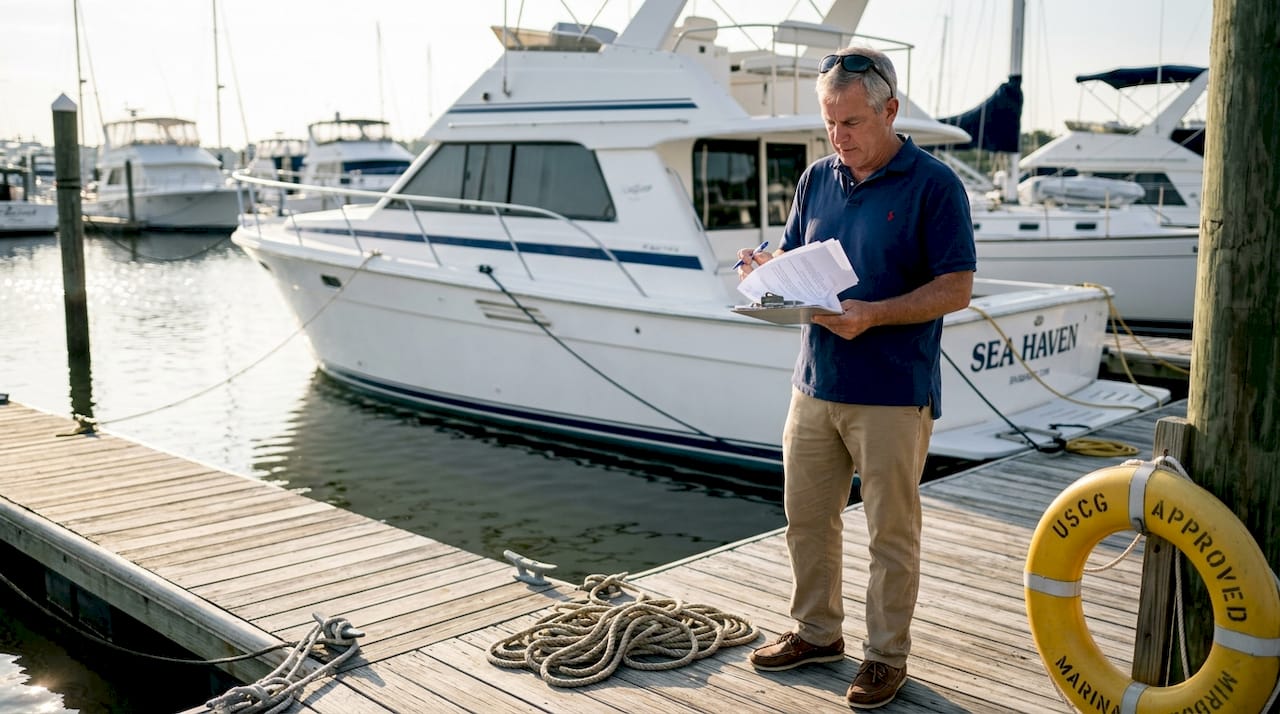
Running a yacht across international waters means juggling a web of regulations that changes every time you cross a maritime boundary. One expired certificate, one missing crew qualification, or one wrong flag choice can trigger port detention, insurance denial, or fines that dwarf the cost of staying compliant in the first place. This guide walks you through the full compliance picture, from picking the right flag state to surviving Port State Control inspections, so you can keep your vessel moving and your operation protected.
Inhaltsübersicht
- Set your compliance criteria: What really matters
- Select the right flag state for your yacht
- Master international conventions and codes
- Navigate the yacht registration process and avoid pitfalls
- Maintain ongoing compliance: Surveys, renewals, and digital tools
- Spot and address compliance edge cases
- Get expert help for seamless yacht compliance
- Frequently asked questions
Wichtigste Erkenntnisse
| Punkt | Einzelheiten |
|---|---|
| Flag choice impacts compliance | Selecting the right flag state affects taxes, crewing, and inspection likelihood. |
| International codes vary by yacht type | Understand how conventions like SOLAS and MLC apply to your private or commercial operation. |
| Proper documents prevent delays | Missing paperwork is the top cause of costly registration and port issues. |
| Digital tools help maintain compliance | Compliance software and calendars lower the risk of missed deadlines or expired certificates. |
| Watch for regulatory updates | Stay current with annual changes in conventions and flag rules to avoid surprises. |
Set your compliance criteria: What really matters
Before you register a single document or choose a flag, you need a clear picture of what compliance actually demands from you. Compliance isn’t just paperwork. It’s a legal framework that determines where you can sail, who can crew your vessel, what taxes you owe, and how quickly you’ll be boarded and inspected in foreign ports.
Start by mapping your priorities against these core compliance criteria:
- Flag reputation: White-list flags (Paris MoU, Tokyo MoU) face fewer inspections and detentions
- Cost and fees: Registration fees, annual tonnage dues, and survey costs vary widely by jurisdiction
- Tax neutrality: Some flags offer VAT advantages or favorable treatment for commercial income
- Crew requirements: Certain flags mandate specific officer nationalities or STCW certification levels
- Regulatory update frequency: Active flag states push amendments faster, requiring more frequent document updates
- Genuine link: International law requires a real connection between the vessel owner and the flag state
Understanding the difference between registration vs documentation is a foundational step many owners skip, and it creates problems later. Use the Checkliste für die Registrierung von Yachten to map your specific situation before committing to any flag.
“Strategic flag selection balances tax neutrality, crewing, cost, and reputation.” Choosing a white-list flag from the start eliminates a significant share of inspection headaches before they begin.
Select the right flag state for your yacht
Flag state selection is the single biggest compliance variable you control. Each jurisdiction carries its own inspection risk profile, cost structure, crewing rules, and tax treatment.
Popular flag states each bring distinct advantages: the Cayman Islands offers strong white-list standing and ISM expertise, Malta provides EU VAT access and fast processing, the Marshall Islands suits large commercial fleets, the BVI keeps costs low for smaller private yachts, and the Isle of Man combines UK legal backing with competitive fees.
Here’s a quick comparison of how major flags stack up:
| Flag state | Compliance risk | Avg. cost | Crewing flexibility | EU VAT access |
|---|---|---|---|---|
| Kaimaninseln | Very low | High | Mäßig | Nein |
| Malta | Low | Mäßig | High | Ja |
| Marshallinseln | Low | Mäßig | High | Nein |
| Isle of Man | Low | Mäßig | Mäßig | Nein |
| BVI | Mäßig | Low | High | Nein |
For a detailed breakdown of specific jurisdictions, the San Marino, Malta, Poland guide covers registration timelines, costs, and compliance requirements side by side. You can also review flag registration data to compare current statistics.
Offshore registration pros: Lower fees, flexible crewing, minimal tax exposure
Offshore registration cons: Potential perception issues, less EU port access
Onshore registration pros: EU VAT compliance, stronger legal protections
Onshore registration cons: Higher costs, stricter crewing rules
Pro Tip: If EU cruising grounds and charter income are part of your plan, Malta or another EU flag gives you VAT compliance built in, which saves significant legal exposure down the line.
The “genuine link” concept under UNCLOS Article 91 requires that a real connection exist between the vessel and its flag state. Ignoring this can invalidate your registration entirely.
Master international conventions and codes
Your flag state determines which international codes apply, but certain conventions follow every yacht regardless of flag. Knowing which ones apply to your operation is non-negotiable.
Core conventions every owner must understand:
- SOLAS (Safety of Life at Sea): Fire safety, life-saving equipment, structural standards
- MARPOL: Pollution prevention, waste management, fuel sulfur limits
- STCW: Crew certification and training standards
- MLC 2006: Crew welfare, wages, working hours, and repatriation rights
- ISM Code: Safety management systems for commercial vessels
Yachts must comply with SOLAS, MARPOL, STCW, MLC, and commercial-specific codes like LY3/REG-YC or CYC 2025, depending on their operational category. The CYC 2025 changes introduced significant updates to fire safety, structural requirements for charter vessels, and MLC wage security provisions that took effect in 2026.
Private yachts generally face lighter requirements, but the moment you carry paying guests, even occasionally, your compliance exposure shifts dramatically toward commercial standards.
“The line between private and charter isn’t always obvious. A single paid charter trip can trigger full commercial code requirements in many jurisdictions, including MLC crew protections and ISM safety management systems.”
For a deeper look at where owners commonly get tripped up, the registration challenges guide covers the most frequent pitfalls by vessel type.
Navigate the yacht registration process and avoid pitfalls
Knowing the rules is one thing. Getting through the actual registration process without delays is another. Here’s the standard sequence:
- Confirm vessel ownership and clear any existing liens
- Gather all required documents (see table below)
- Select your flag state and confirm genuine link eligibility
- Submit application with fees to the flag state registry
- Undergo initial survey and receive provisional certificate
- Obtain all required safety and radio certificates
- Schedule annual renewals and survey dates before expiry
Key documents and typical requirements by flag:
| Document | Purpose | Typical fee range |
|---|---|---|
| Proof of ownership | Establishes legal title | Variiert |
| Builder’s certificate | Confirms vessel identity | Free to $200 |
| Tonnage certificate | Determines regulatory category | $150 to $500 |
| Safety equipment cert | SOLAS compliance proof | $300 to $1,000 |
| Radio license | MMSI and AIS operation | $50 to $300 |
Documents needed, process timelines, common fees, and genuine link requirements vary significantly by jurisdiction, so always verify current requirements directly with your chosen registry. Review the registration documents guide and the fast registration checklist before you start. For a full cost breakdown, the registration costs guide covers fees that often catch owners off guard.
Pro Tip: Port State Control officers flag vessels with expired certificates, missing safety equipment records, or crew documents that don’t match the flag state’s requirements. These are the top three triggers for detention worldwide.
Maintain ongoing compliance: Surveys, renewals, and digital tools
Registration is a starting point, not a finish line. Staying compliant requires active management of expiring certificates, scheduled surveys, and evolving flag state requirements.
Annual and periodic compliance tasks to track:
- Annual safety survey: Hull, machinery, and safety equipment inspection
- Radio license renewal: Typically annual, tied to MMSI registration
- STCW certificate updates: Crew refresher training every five years
- ISM/SMS audit: Required for commercial vessels, typically annual or biennial
- MARPOL compliance check: Oil record book, garbage management plan review
- Flag state certificate renewal: Varies by jurisdiction, often annual
Ongoing compliance means adhering to regular surveys and audits, managing expiring documents, maintaining ISM/SMS protocols, and increasingly using software to track it all. Manual spreadsheets work until they don’t. A single missed renewal can cascade into a detention that costs more than a year of compliance management software.
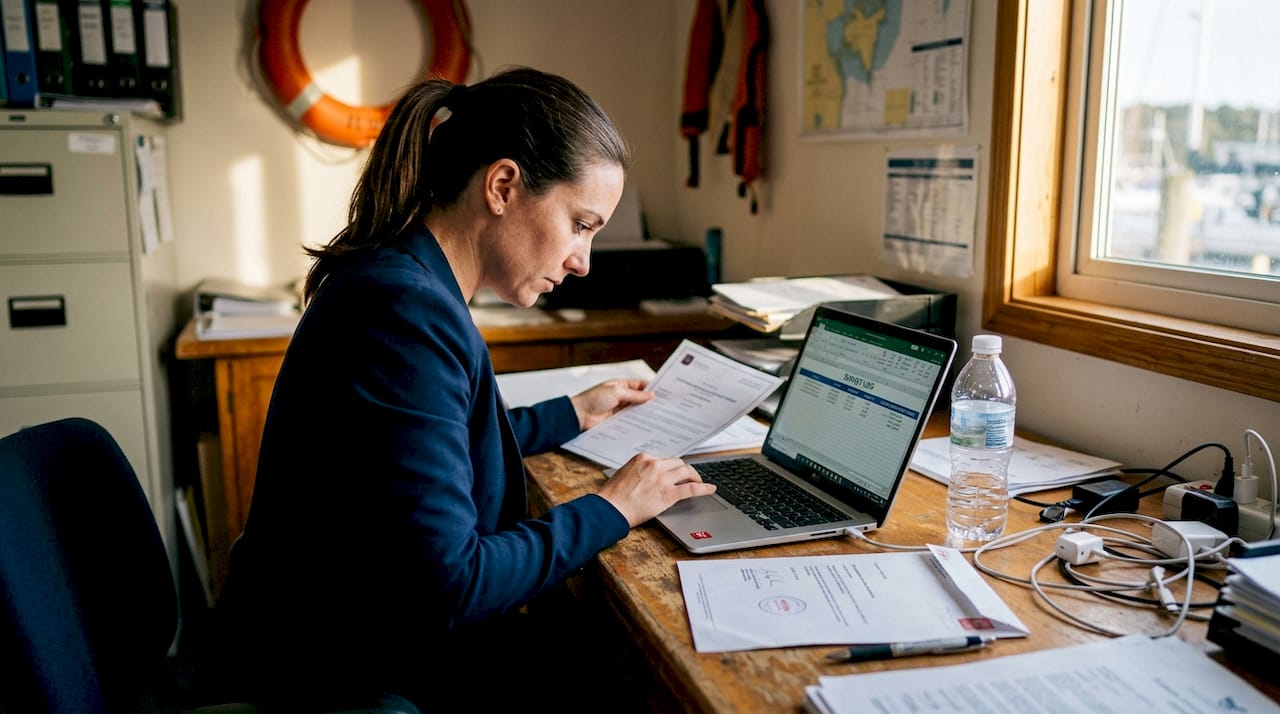
For 2026 regulatory updates and how they affect your renewal schedule, international maritime law updates covers the latest changes by region. The efficient global compliance guide also outlines how to structure your compliance calendar across multiple jurisdictions.
Pro Tip: Set calendar alerts 90 days, 30 days, and 7 days before every certificate expiry. Three reminders eliminate the “I forgot” detention scenario entirely.
Spot and address compliance edge cases
Standard compliance routines cover most situations. But regulatory edge cases are where experienced owners get caught off guard.
Common edge-case pitfalls to watch:
- Accidental reclassification: Occasional charters converting a private yacht to commercial status
- VAT exposure: Bringing an EU-flagged vessel into EU waters without proper VAT documentation
- Missing MLC coverage: Crew members without proper wage security or repatriation provisions
- Dual registration conflicts: Attempting to register in two jurisdictions simultaneously
- Temporary admission errors: Overstaying customs admission periods in foreign ports
The CYC 2025 changes introduced stricter fire safety and structural requirements for charter vessels, plus new MLC wage security rules that apply from 2026 onward. Missing these updates is one of the fastest ways to trigger a Port State Control deficiency notice.
The numbers make the case clearly. CISR (Cayman Islands) recorded zero detentions in 2023, and ISM-certified yachts consistently outperform non-certified vessels in Paris MoU inspections. The top Paris MoU deficiencies remain certificates, life-saving appliances, and navigation equipment, all preventable with a solid compliance routine.
For a full breakdown of what registration actually costs across different edge-case scenarios, the boat registration costs guide breaks it down by flag and vessel type.
Get expert help for seamless yacht compliance
Managing compliance across multiple jurisdictions, flag states, and evolving international codes is genuinely complex. Even experienced operators miss updates that trigger costly consequences.
VesselFlag.com specializes in exactly this kind of complexity. Whether you need to ensure registration validity for global compliance or want a step-by-step walkthrough via the complete yacht registration guide, the platform gives you access to jurisdiction-specific expertise, up-to-date checklists, and professional registration services across flags including Malta, San Marino, Poland, Palau, and more. Working with specialists reduces compliance risk, eliminates guesswork on document requirements, and can prevent the kind of late fees and detentions that cost far more than professional guidance ever would.
Frequently asked questions
What are the main documents needed for yacht registration?
Core documents include proof of ownership, builder’s certificate, tonnage certificate, and valid insurance. Additional certificates like radio licenses and safety equipment records are also required depending on the flag state.
How often must compliance surveys and renewals be completed?
Most surveys and renewals are annual, but some certificates and flag requirements may differ by jurisdiction. Always confirm the specific renewal schedule with your flag state registry.
What’s the difference between commercial and private yacht compliance?
Commercial yachts face stricter rules including full MLC, ISM, and STCW compliance, while private yachts have some exemptions. The key trigger is whether paying guests are carried, even occasionally.
What risks do non-compliant yachts face?
Non-compliance can lead to PSC detentions, fines, insurance denial, and operational delays that can strand your vessel in a foreign port for days or weeks.
Can I use the same compliance routine for all jurisdictions?
No. Flag and port states impose unique requirements, and what satisfies one registry may fall short in another. Always verify both flag state and local port rules before entering a new jurisdiction.
Empfohlen
- 7 Bewährte Praktiken bei der Yachtregistrierung für globale Compliance
- Ensure yacht registration validity for global compliance
- 6 wichtige Anforderungen an die Einhaltung von Yachtvorschriften für eine einfache Registrierung
- Boat registration process guide 2026: efficient global compliance
- Master yacht charter industry terms for Mediterranean trips