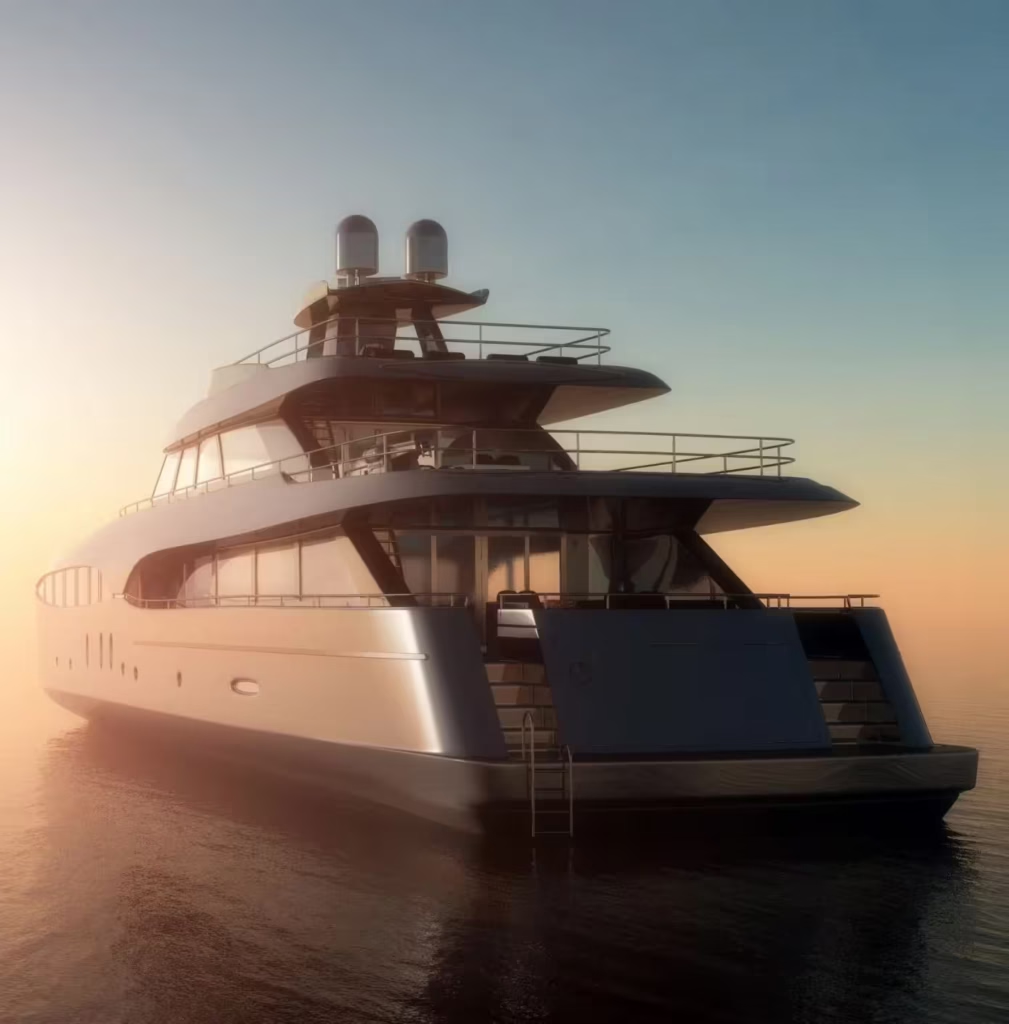
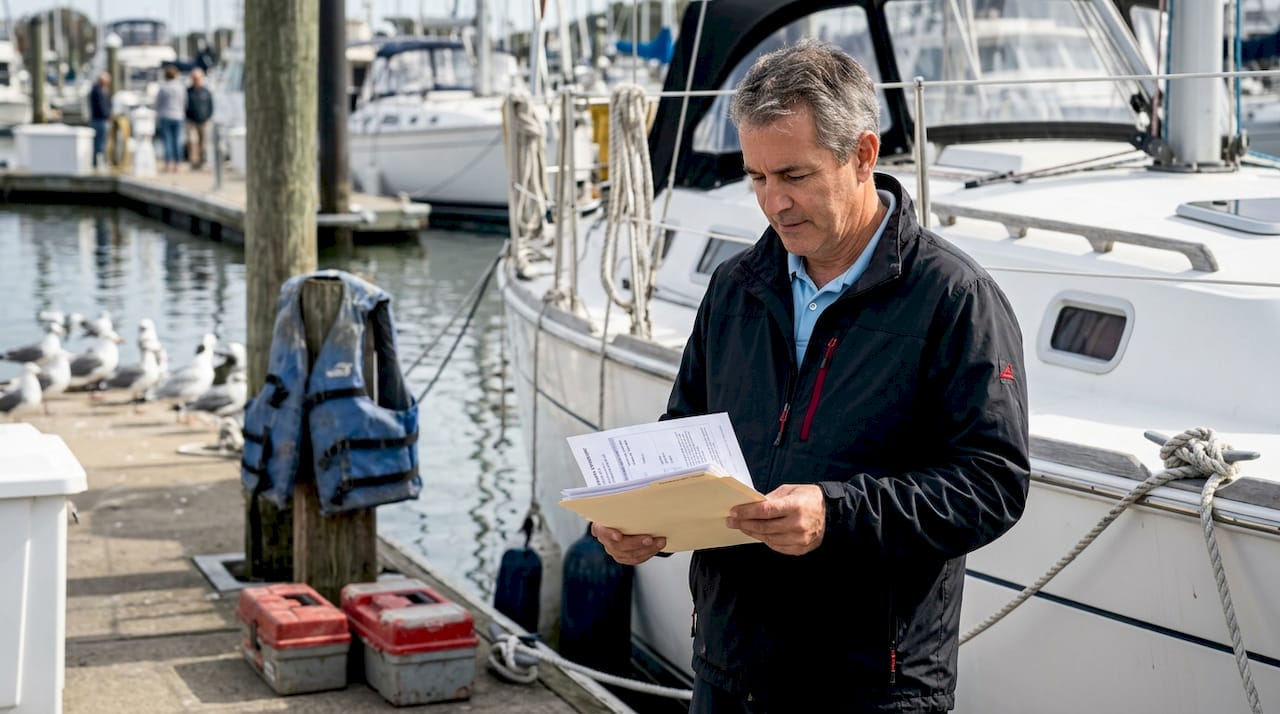
Owning a yacht represents a significant investment, but it also comes with substantial risks that can threaten your financial security and operational freedom. From unexpected collisions and severe weather damage to liability claims and theft, the potential for costly losses is ever-present. Yacht insurance provides essential protection that goes beyond simple risk management, offering comprehensive coverage that safeguards your vessel, ensures compliance with maritime regulations, and delivers peace of mind. This guide explores the key advantages of yacht insurance, helping you understand how the right policy protects your investment while supporting smooth, legal operation across international waters.
Inhaltsübersicht
- Key takeaways
- How to evaluate yacht insurance advantages: key criteria
- Financial protection: mitigating risks and losses
- Ensuring compliance with maritime regulations and global standards
- Comparing yacht insurance coverage options: what advantages suit your needs?
- Secure your yacht with expert insurance guidance
- What are the advantages of yacht insurance?
Wichtigste Erkenntnisse
| Punkt | Einzelheiten |
|---|---|
| Financial protection and compliance | Yacht insurance protects your financial investment while ensuring compliance with registration and maritime regulations. |
| Coverage for key risks | Comprehensive policies cover liability, weather damage, theft, and other physical risks to the vessel. |
| Evaluation criteria | Assess limits, deductibles, geographic reach, exclusions, and additional benefits to align coverage with your voyage plans. |
| Customization and claims support | Look for flexibility, modular options, seasonal adjustments, and a strong claims process for smooth recovery. |
How to evaluate yacht insurance advantages: key criteria
Evaluating yacht insurance requires understanding the specific criteria that determine how well a policy serves your needs. Insurance coverage varies widely in scope and compliance impact for yacht owners, making it essential to assess policies against clear benchmarks. The right evaluation framework helps you identify which advantages matter most for your vessel and operation type.
Start by examining coverage scope, which defines what risks and scenarios your policy addresses. Comprehensive policies cover physical damage from collisions, weather events, fire, and sinking, while also protecting against theft, vandalism, and malicious acts. Liability coverage shields you from third-party claims arising from injuries or property damage your yacht causes. The breadth of coverage directly impacts your financial protection and peace of mind.
Consider these key evaluation criteria:
- Coverage limits and deductibles that match your yacht’s value and risk exposure
- Geographic coverage areas that align with your cruising plans and destinations
- Policy exclusions and limitations that might leave gaps in protection
- Additional benefits like towing, salvage, and emergency assistance services
- Premium costs relative to coverage value and your budget constraints
Compliance with Anforderungen an Yachten represents another critical criterion. Many jurisdictions mandate minimum insurance coverage for registration validity, and your policy must meet these standards. Evaluate how insurance documentation integrates with registration processes and whether your insurer understands international maritime regulations. The claims process quality matters significantly when incidents occur. Assess the insurer’s reputation for responsive service, fair claim settlements, and expert guidance during stressful situations.
Pro Tip: Request sample policy documents before purchasing to review exact coverage terms, exclusions, and claim procedures. This transparency helps you avoid surprises when you need coverage most.
Flexibility and customization options allow you to tailor coverage to your specific situation. Some insurers offer modular policies where you select individual coverage components, while others provide package deals with preset benefits. Consider whether you can adjust coverage seasonally if you only use your yacht part of the year, or add specialized protection for equipment upgrades. The ability to modify your policy as your needs evolve represents a significant long-term advantage.
Financial protection: mitigating risks and losses
The primary advantage of yacht insurance lies in its robust financial protection against the substantial costs that accidents and incidents can generate. Yacht insurance policies mitigate risks like accidents and cargo loss, crucial in transportation sectors. Without coverage, a single severe incident could result in losses exceeding hundreds of thousands of dollars, potentially threatening your entire investment.
Physical damage coverage protects your yacht’s hull, machinery, and equipment from numerous perils. Collision damage from other vessels, docks, or submerged objects can require extensive repairs or even total replacement. Weather events pose constant threats, from hurricane damage and lightning strikes to flooding and heavy seas that can compromise structural integrity. Fire represents another catastrophic risk, whether from engine malfunctions, electrical failures, or galley accidents. Insurance coverage ensures you can repair or replace your vessel without bearing the full financial burden.
Theft and malicious acts create additional risks that insurance addresses effectively:
- Complete yacht theft, particularly in high-risk anchorages or marinas
- Equipment theft including electronics, navigation systems, and tender vessels
- Vandalism damage from break-ins or intentional destruction
- Piracy incidents in certain international waters
- Salvage costs if your yacht is abandoned or seized
Liability coverage delivers perhaps the most critical financial protection by shielding you from third-party claims. If your yacht collides with another vessel, damages a marina, or causes injuries to passengers or crew, you face potential lawsuits seeking substantial damages. Liability claims can easily reach millions of dollars, especially when serious injuries or environmental damage occur. Insurance coverage handles legal defense costs and settlements, preventing personal financial devastation.
Consider a real scenario: a yacht owner’s vessel breaks free during a storm, colliding with three neighboring boats and causing $400,000 in combined damage. Without insurance, the owner faces personal liability for all repairs plus potential legal fees. With proper coverage, the insurance company handles the entire claim, protecting the owner’s assets and financial stability. Similar protection applies to medical expenses if guests suffer injuries aboard your yacht, or environmental cleanup costs if your vessel causes pollution.
Insurance transforms unpredictable maritime risks into manageable, predictable costs through premium payments, allowing you to enjoy your yacht without constant financial anxiety.
The peace of mind that comprehensive coverage provides extends beyond pure financial calculations. Knowing you have protection allows you to operate your yacht confidently, explore new destinations, and handle your vessel in challenging conditions without fear of financial ruin. This psychological benefit enhances your entire ownership experience while supporting responsible risk management. Yacht transportation services also benefit from insurance coverage during delivery and relocation operations.
Pro Tip: Document your yacht’s condition with detailed photos and maintenance records. This documentation streamlines claims processing and helps establish pre-incident value, ensuring fair settlements when damage occurs.
Ensuring compliance with maritime regulations and global standards
Yacht insurance serves as a fundamental component of regulatory compliance, helping owners meet legal requirements for registration and operation under maritime law. Insurance is a key component for yacht registration and global compliance. Many jurisdictions require proof of insurance before issuing or renewing vessel registration, making coverage essential for legal operation.
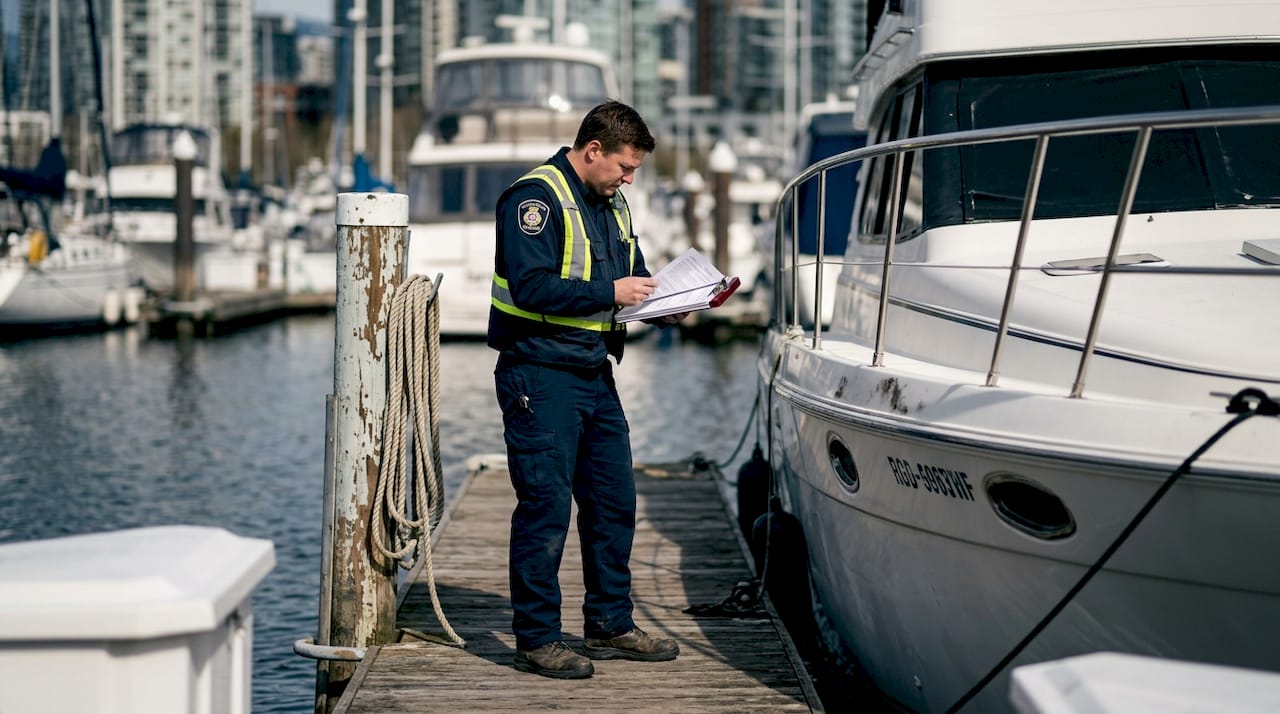
Maritime laws across different flag states establish minimum insurance requirements that yacht owners must satisfy. These mandates typically specify liability coverage levels based on vessel size, passenger capacity, and intended use. Commercial yacht operations generally face stricter requirements than private recreational vessels. Flag states use insurance requirements to ensure vessel owners can meet financial obligations arising from accidents, protecting other mariners and coastal communities from uncompensated damages.
Insurance documentation plays a vital role in various compliance scenarios:
- Registration applications requiring proof of coverage before approval
- Port entry clearances where authorities verify insurance validity
- Charter operations needing commercial liability coverage certification
- Crew employment compliance demonstrating worker protection coverage
- Environmental protection standards requiring pollution liability insurance
International flag state requirements vary significantly, and choosing the right insurance helps you navigate these differences. Some jurisdictions accept standard policies from recognized marine insurers, while others require specific coverage types or minimum limits. Your insurance provider should understand these international standards and offer policies that meet requirements across multiple jurisdictions. This flexibility proves invaluable if you cruise internationally or change your vessel’s flag registration.
Proper insurance coverage helps you avoid serious penalties and operational restrictions. Operating without required insurance can result in substantial fines, registration suspension, or even vessel detention in foreign ports. Some jurisdictions impose criminal penalties for uninsured operation, particularly after accidents causing damage or injury. These consequences extend beyond financial costs, potentially stranding you far from home or preventing you from selling your vessel until compliance issues resolve.
The integration of insurance with global yacht registration compliance processes streamlines administrative requirements. Many registration services coordinate directly with insurance providers, ensuring your coverage meets all necessary standards before finalizing registration. This coordination eliminates guesswork and reduces the risk of coverage gaps that could compromise compliance. Working with experienced providers who understand both insurance and registration requirements saves time and prevents costly mistakes.
Insurance also supports compliance during inspections and audits conducted by maritime authorities. Surveyors and inspectors verify that your coverage matches your vessel’s specifications and operational profile. Having comprehensive yacht compliance documentation including current insurance certificates demonstrates professional vessel management and facilitates smooth inspection processes. This documentation proves particularly important during flag state audits or when transferring registration between jurisdictions.
Comparing yacht insurance coverage options: what advantages suit your needs?
Understanding different insurance coverage options helps you select the policy that delivers maximum advantages for your specific situation. Yacht insurance covers vary by policy type offering distinct advantages for different owner needs. The right choice depends on your yacht’s value, how you use it, where you cruise, and your risk tolerance.
| Coverage Type | Primary Advantages | Best Suited For | Typical Cost Range |
|---|---|---|---|
| Hull and machinery | Comprehensive physical damage protection, agreed value settlements | High-value yachts, frequent cruisers | 1.5-3% of yacht value annually |
| Liability only | Affordable third-party protection, meets basic legal requirements | Older vessels, limited budgets | $800-2,500 annually |
| Extended coverage | Environmental liability, crew coverage, equipment protection | Commercial operations, international cruising | 2-4% of yacht value annually |
| Package policies | Simplified coverage, bundled benefits, administrative convenience | New yacht owners, comprehensive needs | 2-3.5% of yacht value annually |
Standard hull and machinery insurance provides the foundation for most yacht coverage. This policy type protects your vessel’s physical structure and mechanical systems against damage from collisions, weather, fire, sinking, and other covered perils. The agreed value approach means you and the insurer establish your yacht’s value upfront, eliminating disputes about depreciation if a total loss occurs. This coverage suits owners of valuable yachts who want complete protection for their investment.
Liability-only policies offer cost-effective protection when physical damage coverage exceeds your needs or budget. Older yachts with lower market values sometimes make hull coverage economically impractical, but liability protection remains essential. These policies cover third-party claims for property damage, bodily injury, and associated legal costs without protecting your own vessel. This approach works well for experienced owners comfortable accepting physical damage risk while maintaining crucial liability protection.
Extended coverage options add specialized protection beyond standard policies:
- Environmental liability covering pollution cleanup and fines from fuel spills
- Crew coverage providing medical expenses and liability for employed personnel
- Personal effects protection for belongings aboard the yacht
- Tender and dinghy coverage extending protection to auxiliary craft
- Navigation equipment protection for expensive electronics and systems
Package policies bundle multiple coverage types into comprehensive protection plans. These policies simplify insurance management by combining hull, liability, and extended coverages under one agreement. The bundled approach often costs less than purchasing individual policies separately while ensuring no coverage gaps exist. Package policies suit yacht owners seeking straightforward, complete protection without managing multiple insurance relationships.
Matching coverage levels to your yacht requires honest assessment of several factors. Larger yachts with higher values justify more comprehensive coverage due to greater financial exposure. Your operation type matters significantly, commercial charters needing broader liability protection than private recreational use. Cruising areas influence coverage needs, with remote or high-risk regions requiring additional protection. Your risk tolerance and financial capacity to absorb losses without insurance help determine appropriate deductibles and coverage limits.
Pro Tip: Review your yacht insurance coverage types annually as your yacht’s value, usage patterns, and cruising plans evolve. Adjusting coverage prevents paying for unnecessary protection while ensuring adequate safeguards remain in place.
Secure your yacht with expert insurance guidance
Navigating yacht insurance complexities becomes significantly easier with expert guidance that ensures you select optimal coverage while maintaining full compliance. Vessel Flag specializes in comprehensive yacht registration services that integrate seamlessly with insurance requirements, helping you protect your investment through every stage of ownership.
Our platform connects you with experienced professionals who understand international maritime regulations and insurance standards across multiple flag states. Whether you need guidance on Yacht-Registrierung requirements, compliance documentation, or selecting appropriate insurance coverage, our team provides personalized support tailored to your specific vessel and operational needs. We simplify the complex process of coordinating registration and insurance, ensuring all documentation meets legal standards while protecting your financial interests.
Vessel Flag offers comprehensive resources that demystify yacht registration compliance services and insurance selection. Our detailed guides explain coverage options, compare policy types, and outline compliance requirements for different flag states. We help you understand yacht insurance policy essentials while coordinating with trusted insurance providers who specialize in marine coverage. This integrated approach saves you time, reduces stress, and ensures your yacht remains properly protected and legally compliant wherever you cruise.
What are the advantages of yacht insurance?
What are the main benefits of yacht insurance for vessel owners?
Yacht insurance delivers crucial financial protection against damage, theft, and liability claims that could otherwise result in devastating losses. It ensures compliance with maritime regulations required for registration validity and legal operation. The coverage provides peace of mind, allowing you to enjoy your yacht confidently while professional claims support helps you navigate incidents efficiently.
What risks does yacht insurance typically cover?
Comprehensive yacht insurance covers physical damage from collisions, weather events, fire, and sinking, plus theft and vandalism. Liability coverage protects against third-party claims for property damage and injuries. Extended policies may include environmental liability, crew coverage, equipment protection, and emergency assistance services. Coverage specifics vary by policy type and insurer.
How does yacht insurance help maintain registration validity?
Many jurisdictions require proof of insurance as a condition for vessel registration approval and renewal. Insurance documentation demonstrates you can meet financial obligations from accidents, satisfying legal requirements. Maintaining valid coverage prevents registration suspension, fines, and operational restrictions. Working with providers who understand yacht insurance coverage essentials ensures your policy meets all necessary standards.
How should I select appropriate yacht insurance based on my vessel type?
Consider your yacht’s value, size, and age when selecting coverage levels and deductibles. Evaluate how you use your vessel, with commercial operations requiring broader liability protection than recreational use. Assess your cruising areas, as remote or high-risk regions need additional coverage. Match policy types to your needs, choosing comprehensive hull coverage for valuable yachts or liability-only options for older vessels where physical damage coverage costs exceed benefits.
Does yacht insurance cover international cruising and different flag states?
Most quality yacht insurance policies provide coverage across international waters and multiple jurisdictions, though geographic limits vary by insurer. Verify your policy covers all regions where you plan to cruise, as some insurers exclude high-risk areas or charge additional premiums. International coverage should meet the insurance requirements of different flag states if you change registration. Discuss your cruising plans with insurers to ensure adequate protection wherever you sail.
Empfohlen
- What is a yacht insurance policy? Essential 2026 guide
- What is yacht insurance? Coverage essentials for 2026
- Boat Insurance – Vessel Flag
- Die größten Herausforderungen bei der Registrierung von Yachten und der Einhaltung von Vorschriften - und wie man sie mit Zuversicht meistert - Vessel Flag
- Business Insurance Benefits for Sonoma County Owners – Jenkins Insurance Agency Inc.