

Many yacht owners believe documentation is simply proof of ownership, but this misconception can lead to costly compliance failures and operational restrictions. Yacht documentation encompasses legal ownership proof, regulatory compliance certificates, flag state registration, and safety certifications that collectively enable lawful navigation and international travel. This guide clarifies documentation components, regulatory requirements, flag state impacts, and practical processes to help you navigate yacht registration with confidence and efficiency.
İçindekiler
- Introduction To Yacht Documentation
- Legal Significance Of Yacht Documentation
- International Maritime Regulations Affecting Documentation
- Flag State Selection And Its Impact
- Procedural Aspects Of Yacht Documentation And Registration
- Common Misconceptions About Yacht Documentation
- Practical Advice For Compliance And Efficient Registration
- Learn More About Yacht Registration With Vessel Flag
- Sıkça Sorulan Sorular
Key takeaways
| Nokta | Detaylar |
|---|---|
| Legal ownership and compliance | Yacht documentation establishes legal ownership while ensuring adherence to international maritime regulations and safety standards. |
| Flag state selection matters | Your flag choice directly impacts registration costs, processing speed, insurance premiums, and tax obligations. |
| International conventions govern requirements | SOLAS and MARPOL compliance is mandatory for safety certification and environmental protection across 160+ countries. |
| Registration requires multiple steps | Proper documentation demands ownership verification, corporate filings, MMSI licensing, and compliance certificates. |
| Digital platforms accelerate processing | Modern registration tools can reduce processing time by up to 50% while minimizing errors and delays. |
Introduction to yacht documentation
Yacht documentation represents far more than a simple ownership certificate. It comprises a comprehensive package including ownership titles, flag state registration, compliance certificates, MMSI licenses, and insurance documentation. Each component serves a distinct legal and operational purpose, working together to establish your vessel’s legal identity and operational authority.
The primary purpose of documentation is threefold: establishing legal ownership rights, enabling lawful navigation in international waters, and satisfying regulatory requirements across jurisdictions. Without proper documentation, your yacht cannot legally enter foreign ports, obtain insurance coverage, or prove ownership during transactions. These documents serve as your vessel’s passport, proving its identity and legitimacy wherever you sail.
Documentation requirements vary significantly based on flag state selection and operational areas. A yacht registered in Panama faces different compliance obligations than one registered in Malta or the United States. Understanding these variations is essential for making informed decisions that align with your operational needs and budget constraints.
Key components of yacht documentation include:
- Ownership title proving legal possession and transfer history
- Flag state registration certificate assigning nationality and jurisdiction
- Compliance certificates demonstrating adherence to safety and environmental standards
- MMSI license enabling radio communication and vessel identification
- Insurance documentation covering liability and asset protection
Your documentation package ultimately underpins both operational legality and financial value. Properly documented yachts command higher resale prices, secure better insurance rates, and avoid costly delays at international ports.
Legal significance of yacht documentation
Documentation serves as the legal foundation proving your yacht’s ownership and nationality. The flag state you choose assigns your vessel a nationality, determining which laws govern operations and which courts hold jurisdiction over disputes. This legal status is not merely bureaucratic; it directly impacts your ability to operate internationally and access legal protections.
Yacht documentation legally establishes and proves vessel ownership and nationality, critical for international maritime operations and law enforcement. Without valid documentation, port authorities can legally deny entry, detain your vessel, or impose substantial fines. These consequences extend beyond inconvenience, potentially stranding you abroad or triggering insurance policy violations.
The legal implications of documentation affect multiple operational aspects:
- Insurance companies require valid documentation before issuing coverage or processing claims
- Financial institutions demand proper documentation for yacht financing and loan security
- Resale transactions depend on clear title documentation proving ownership chain
- Law enforcement relies on documentation to verify vessel identity and ownership during inspections
- Port authorities use documentation to determine applicable fees, taxes, and inspection requirements
Misdocumentation or incomplete paperwork creates serious legal vulnerabilities. A yacht operating with expired certificates or incorrect flag registration risks detention, fines reaching tens of thousands of dollars, and denial of port entry. These penalties can escalate quickly, transforming a documentation oversight into a major financial and operational crisis.
Proper yacht documentation is not optional paperwork but a legal requirement that protects your investment, enables international travel, and ensures access to essential services like insurance and financing.
The boat registration process requires careful attention to legal requirements and deadlines. Maintaining current, accurate documentation should be viewed as ongoing risk management rather than a one-time administrative task.
International maritime regulations affecting documentation
International conventions establish minimum documentation standards that yachts must meet regardless of flag state. The two most significant frameworks are SOLAS (Safety of Life at Sea) and MARPOL (Marine Pollution), which together govern safety equipment, crew training, and environmental protection measures.
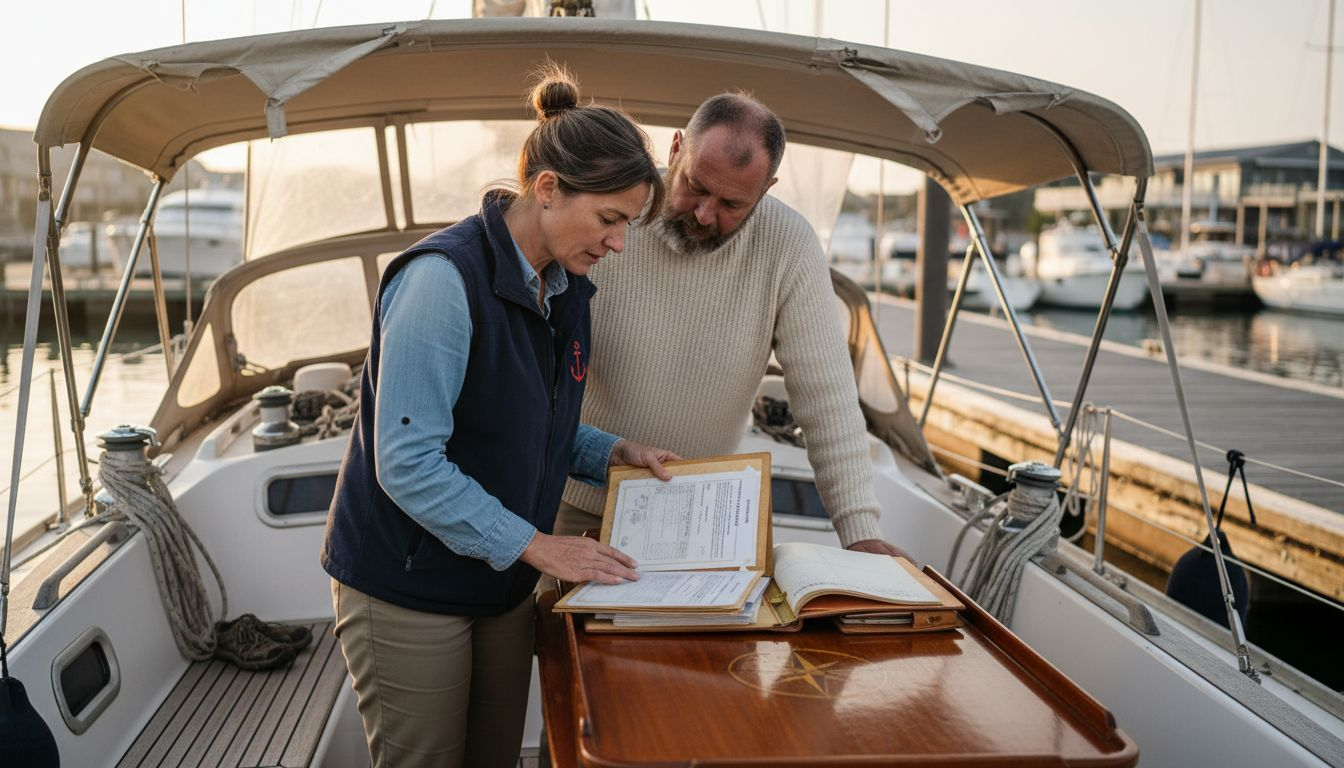
SOLAS and MARPOL set,-1974.aspx) documentation standards that yachts must comply with to ensure safety and environmental protection. These conventions apply to vessels operating in international waters and visiting foreign ports, making compliance mandatory for most yacht owners pursuing international cruising.
SOLAS requirements focus on life-saving equipment, fire safety systems, navigation tools, and communication devices. Your documentation must prove that your yacht carries appropriate safety equipment for its size, passenger capacity, and operational area. Certificates verifying equipment inspections and crew safety training form essential components of SOLAS compliance documentation.
MARPOL addresses pollution prevention through strict environmental standards:
- Oil discharge prevention and waste oil management systems
- Sewage treatment and discharge regulations
- Garbage management and disposal procedures
- Air emission controls for engines and generators
- Ballast water management to prevent invasive species transfer
Over 160 countries enforce these standards through port state control inspections. When you arrive at a foreign port, authorities can board your yacht to verify documentation and inspect compliance with SOLAS and MARPOL requirements. Noncompliance discovered during these inspections can result in detention until deficiencies are corrected, substantial fines, or denial of future port access.
| Regulation | Primary Focus | Documentation Required |
|---|---|---|
| SOLAS | Safety equipment and procedures | Safety certificates, equipment inspection records |
| MARPOL | Environmental protection | Pollution prevention certificates, waste management logs |
| COLREG | Navigation rules | Navigation equipment certification |
| STCW | Crew competency | Crew certification and training records |
Pro Tip: Maintain digital copies of all compliance certificates on your vessel and in cloud storage. Port inspectors increasingly accept electronic documentation, and having backup copies prevents delays if original documents are lost or damaged.
Staying current with yacht documentation requirements in 2026 ensures you meet evolving international standards and avoid compliance issues during inspections.
Flag state selection and its impact
Your flag state choice creates cascading effects on registration costs, timelines, tax obligations, insurance premiums, and operational flexibility. Different flags offer distinct advantages and trade-offs that should align with your operational profile and financial objectives.
Popular flag states present varying value propositions:
| Flag State | Registration Timeline | Approximate Cost | Key Benefits |
|---|---|---|---|
| Panama | 2-4 weeks | $3,000-$5,000 | Low taxes, international acceptance |
| Marshall Adaları | 3-6 weeks | $4,000-$7,000 | Strong legal framework, corporate options |
| Malta | 4-8 weeks | $5,000-$10,000 | EU membership, reputable registry |
| US Delaware | 1-2 weeks | $2,000-$4,000 | Fast processing, domestic operations |
Tax benefits vary dramatically by flag. Some jurisdictions impose no annual tonnage taxes or income taxes on yacht operations, while others levy substantial fees. Corporate registration structures available in certain flags can provide additional tax optimization and liability protection, though these options add complexity and legal costs.
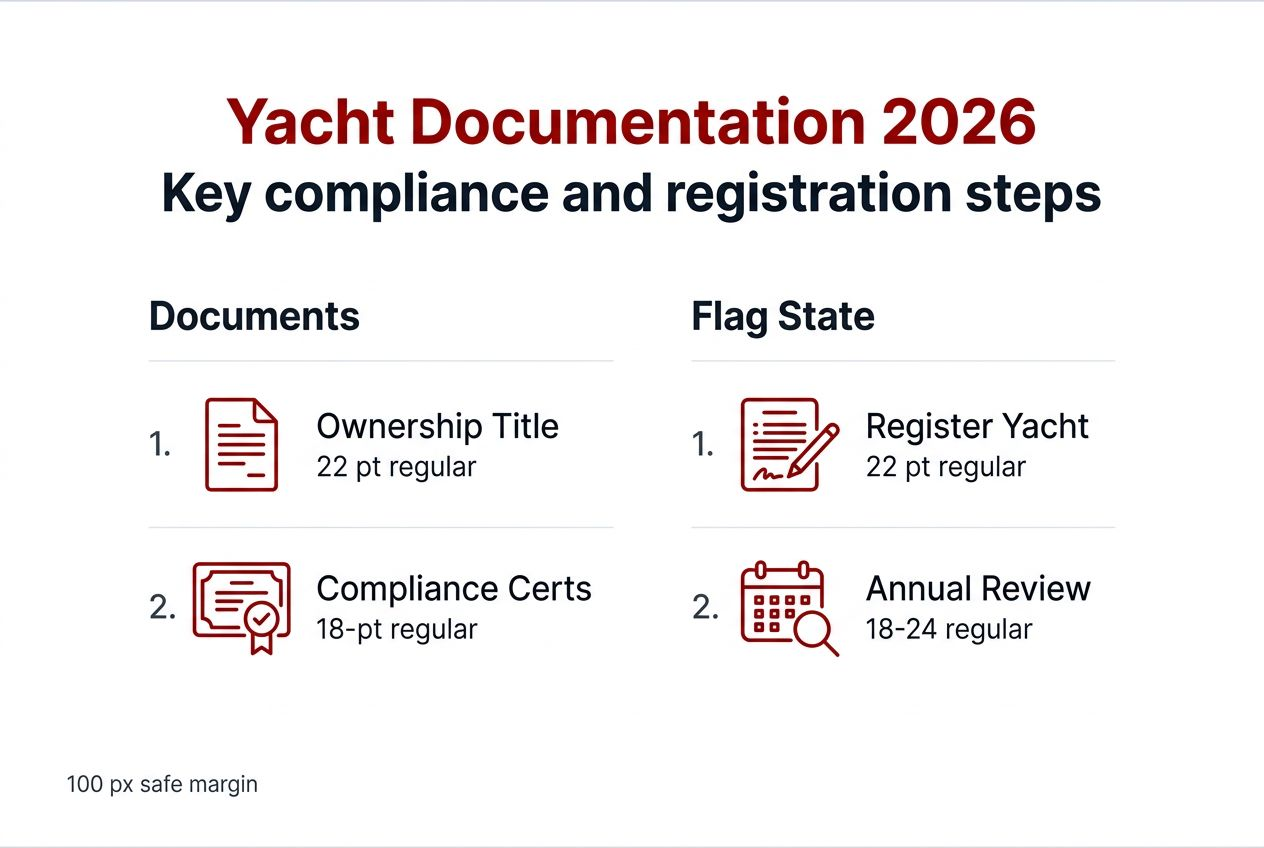
Insurance companies assess risk partly based on flag state reputation and regulatory oversight. Yachts registered under well-regulated flags like Malta or the UK often secure lower insurance premiums compared to flags with weaker oversight. This premium difference can amount to thousands of dollars annually, potentially offsetting higher registration costs over time.
Compliance complexity also varies by flag:
- Some flags require annual surveys and documentation renewals
- Others mandate specific crew certification or training standards
- Certain flags offer streamlined digital registration reducing paperwork
- Flag state inspection frequency and rigor affect operational planning
Pro Tip: Consider your primary cruising areas when selecting a flag. Some regions show preference for specific flags, and choosing a flag with strong diplomatic relationships in your cruising area can smooth port clearances and reduce inspection scrutiny.
Flag registration services can help you evaluate options based on your operational needs and budget. Understanding yacht registration pain points before selecting a flag helps you avoid common pitfalls that create delays and added expenses.
For yacht owners focusing on US coastal operations, US Delaware flag registration offers rapid processing and cost-effective compliance for domestic cruising.
Procedural aspects of yacht documentation and registration
Successful yacht registration requires systematic execution of multiple steps, each with specific documentation requirements and deadlines. Following a structured approach prevents delays and ensures compliance from the start.
- Determine your ownership structure, deciding between individual ownership and corporate registration based on liability protection needs and tax considerations.
- Select your flag state by evaluating registration costs, timelines, tax implications, insurance impacts, and operational requirements for your planned cruising areas.
- Prepare required documentation including proof of ownership, bill of sale, builder’s certificate, previous registration certificates, and corporate formation documents if applicable.
- Obtain your MMSI license and configure AIS systems for communication compliance and vessel identification in maritime traffic systems.
- Submit registration application with all supporting documents, fees, and compliance certificates to your chosen flag authority or authorized agent.
- Complete any required surveys or inspections verifying vessel condition, safety equipment, and compliance with flag state standards.
- Receive registration certificate and documentation package, then install required markings and maintain ongoing compliance obligations.
Corporate registration offers significant advantages for certain owners. A corporate structure can limit personal liability, provide tax benefits, and facilitate ownership transfers or partnership arrangements. However, corporate registration adds complexity through formation costs, annual filing requirements, and potential need for registered agents in the flag jurisdiction.
MMSI and AIS setup represents a critical compliance component often overlooked by new yacht owners. Your MMSI (Maritime Mobile Service Identity) number uniquely identifies your vessel in radio communications and distress signals. AIS (Automatic Identification System) broadcasts your vessel’s position, course, and identity to other ships and shore stations, enhancing collision avoidance and search-and-rescue effectiveness.
Digital platforms streamline registration by automating document preparation, reducing data entry errors, and accelerating communication with flag authorities. These tools can cut registration time in half while providing transparency into application status and outstanding requirements.
Common application pitfalls include:
- Submitting incomplete ownership documentation or unclear title chains
- Underestimating processing timelines and missing operational deadlines
- Failing to obtain required inspections before application submission
- Providing inconsistent information across different registration documents
- Neglecting ongoing compliance obligations after initial registration
The how to register a yacht guide provides detailed instructions for each registration step. Using a yat kayit kontrol li̇stesi̇ ensures you complete all requirements systematically. Following yacht registration best practices helps you avoid errors that cause delays and added costs.
Common misconceptions about yacht documentation
Several persistent myths about yacht documentation lead owners into compliance problems and operational difficulties. Understanding these misconceptions helps you avoid costly mistakes and maintain proper documentation throughout ownership.
The most damaging myth is that documentation serves only as proof of ownership. While ownership verification is one function, documentation encompasses safety compliance, environmental standards, crew certification, insurance requirements, and regulatory adherence. Treating documentation as simple title paperwork ignores critical compliance obligations that can trigger serious legal and financial consequences.
Many owners underestimate the scope of regulatory requirements their documentation must satisfy. They focus on initial registration while overlooking ongoing obligations like:
- Annual safety equipment inspections and certification renewals
- Periodic hull surveys and structural assessments
- Updated crew training and certification records
- Pollution prevention plan revisions and waste management documentation
- Insurance policy renewals with current valuation and coverage terms
Ignoring registration timelines creates cascading problems. Expired registration certificates invalidate insurance coverage, prevent legal port entry, and can trigger detention by maritime authorities. Starting renewal processes well before expiration dates prevents these operational disruptions and legal exposures.
Many yacht owners discover compliance gaps only during port inspections or insurance claims, when correcting deficiencies becomes exponentially more expensive and disruptive than maintaining proper documentation from the start.
Some owners mistakenly believe flag state compliance obligations end after initial registration. In reality, most flags require annual reporting, fee payments, and compliance updates. Failing to meet these ongoing obligations can result in registration cancellation, leaving your yacht legally stateless and unable to operate.
The assumption that documentation requirements remain static proves false. International conventions evolve, flag states update regulations, and environmental standards tighten over time. Staying informed about regulatory changes and updating documentation accordingly is essential for continuous compliance.
Practical advice for compliance and efficient registration
Successful yacht documentation combines strategic planning, expert consultation, and modern tools to minimize delays and ensure ongoing compliance. These practical strategies help you navigate complex requirements efficiently.
Digital registration platforms reduce processing time dramatically by automating document preparation, validating information accuracy, and facilitating direct communication with flag authorities. Owners using these platforms typically complete registration 50% faster than traditional paper-based processes while significantly reducing errors that cause rejections and resubmissions.
Consulting maritime law experts before selecting a flag state prevents costly mistakes. These professionals understand nuanced differences between flags, can identify tax optimization opportunities, and help structure ownership to maximize liability protection. Their fees often pay for themselves through avoided penalties and optimized flag selection.
Maintaining transparent, organized documentation simplifies audits and inspections while reducing stress during port clearances:
- Create digital backups of all certificates, surveys, and compliance records
- Organize documents chronologically and by category for quick retrieval
- Update records immediately when completing surveys or renewing certificates
- Maintain both electronic and physical copies accessible on your vessel
- Track expiration dates proactively to schedule renewals before deadlines
Planning registration timelines well in advance prevents operational disruptions. Account for potential delays in document procurement, inspection scheduling, and flag authority processing when planning your cruising calendar. Starting registration processes 90 days before needed gives cushion for unexpected complications.
Regularly reviewing regulation updates ensures your documentation remains current with evolving standards. Subscribe to maritime regulatory newsletters, join yacht owner associations, and consult with flag state representatives annually to stay informed about changes affecting your compliance obligations.
Pro Tip: Schedule an annual documentation review with a maritime compliance specialist. This proactive approach identifies potential issues before they become problems and ensures you stay ahead of regulatory changes rather than reacting to enforcement actions.
Exploring professional vessel flag services can provide ongoing support beyond initial registration, helping you maintain compliance efficiently throughout your yacht ownership experience.
Learn more about yacht registration with Vessel Flag
Navigating yacht documentation and registration challenges becomes significantly easier with expert guidance and comprehensive resources. Vessel Flag specializes in simplifying global yacht registration through transparent processes, detailed guides, and personalized support tailored to your operational needs.
Whether you’re registering your first yacht or managing a fleet, Vessel Flag offers step-by-step guidance through every documentation requirement. Our how to register a yacht guide walks you through the entire process, while our yacht registration checklist ensures you complete all requirements systematically.
Our flag registration services provide fast, compliant registration across multiple jurisdictions, helping you select the optimal flag for your operational profile and budget. We handle the complexity so you can focus on enjoying your yacht with confidence that your documentation meets all legal and regulatory requirements.
Frequently asked questions
What is yacht documentation and why is it important?
Yacht documentation legally proves ownership, assigns nationality through flag state registration, and demonstrates compliance with international maritime safety and environmental regulations. It enables lawful international travel, port access, insurance coverage, and protects your vessel’s resale value while providing legal protections under your flag state’s jurisdiction.
How does flag state choice affect yacht registration?
Different flag states offer varying registration timelines ranging from one to eight weeks, fees from $2,000 to $10,000, and distinct regulatory requirements. Your flag choice directly impacts insurance premiums, tax obligations, corporate registration options, and international acceptance, making selection a critical strategic decision.
What are the key international regulations influencing yacht documentation?
SOLAS (Safety of Life at Sea) and MARPOL (Marine Pollution) are the primary conventions establishing safety equipment, crew training, and environmental protection standards that yacht documentation must demonstrate. Over 160 countries enforce these requirements through port state control inspections, making compliance essential for international operations.
What steps should I follow for efficient yacht registration?
Determine your ownership structure, select an appropriate flag state, prepare ownership and compliance documentation, obtain MMSI licenses, and submit your application with all required certificates and fees. Using digital registration platforms and consulting maritime experts accelerates processing while minimizing errors that cause delays and rejections.