

Yat Kaydı ve Uyumluluğunda Karşılaşılan En Önemli Zorluklar ve Bu Zorlukları Güvenle Aşmanın Yolları
Yacht registration often feels like navigating a storm with no clear route. Complex maritime regulations, flag registration choices, and compliance demands can slow you down and create costly delays. This guide breaks down key challenges—from MMSI and radio licensing to EU VAT yacht rules—and shows you how to stay on course with confidence. Ready to sail smoothly? Book a 15-minute Flag Strategy Call to compare jurisdictions and secure a compliant registration plan. For more insights, visit this guide.
Understanding Yacht Registration Challenges

Handling yacht registration can feel like solving a complex puzzle. The process involves various elements, each with its own set of challenges. Let’s dive into what makes this process tricky and how you can manage it effectively.
Navigating Global Maritime Regulations
Navigating global maritime rules can be daunting. Each country has its own set of laws, which can differ widely. This means your yacht might be subject to different rules depending on where it’s registered or sails.
When you’re dealing with these regulations, it’s critical to understand the basic requirements. You need to know how maritime laws apply to your yacht and what you must do to comply. This includes understanding safety standards, environmental regulations, and legal responsibilities. For a deeper dive into maritime law, check out this article.
Most people think navigating these laws is straightforward, but it often requires expert advice. An experienced partner can help you decipher these rules and ensure your yacht meets all necessary standards. Remember, the longer you wait to address these issues, the more you risk non-compliance.
Choosing the Right Flag Registration
Picking the right flag for your yacht is more than just a formality. It affects taxes, regulations, and even how your yacht operates internationally. The choice of flag can influence the costs and legalities associated with your yacht.
When selecting a flag, consider factors like tax obligations, privacy levels, and the ease of registration. For instance, some flags offer attractive tax benefits, while others might provide greater privacy. Be sure to weigh these factors carefully to make the best decision for your needs.
Contrary to popular belief, the cheapest option isn’t always the best. A flag that seems cost-effective initially might come with hidden costs or complex regulations. Most yacht owners find value in consulting with specialists who can guide them through these choices.
Balancing Commercial vs Private Registration
Deciding between commercial and private registration is another critical step. This choice affects everything from insurance to how you can use your yacht. Understanding the difference can save you from future headaches.
Commercial registration allows you to charter your yacht, potentially generating income. However, it also involves stricter regulations and may require additional safety measures. On the other hand, private registration is typically simpler but limits commercial use.
Here’s the key insight: Your decision should align with how you intend to use your yacht. If you’re planning to charter it, commercial registration might be worthwhile. But if it’s for personal use, private registration could be more convenient.
Essential Compliance Requirements
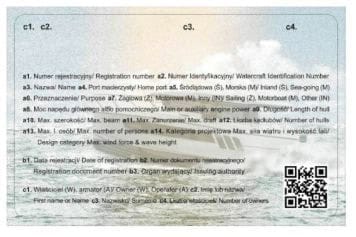
Once you’ve tackled the initial registration challenges, the next step is ensuring compliance. This involves meeting various technical and legal requirements to keep your yacht in good standing.
Yacht Survey and Tonnage Certificate
A yacht survey is a detailed inspection that assesses the vessel’s condition and compliance with safety standards. It’s a crucial requirement for most registrations and can affect your insurance premiums.
During a survey, a qualified surveyor will check your yacht’s structure, machinery, and equipment. They will also issue a tonnage certificate, which is essential for determining port dues and other fees. This document certifies your yacht’s size and dimensions.
Remember, it’s not just about passing the survey. It’s about ensuring your yacht is safe and compliant with all regulations. A thorough survey can prevent costly issues down the line. For more on the importance of surveys, explore this insightful read.
MMSI and Radio License Procedures
Your yacht’s communication systems are vital for safe navigation. Registering for an MMSI (Maritime Mobile Service Identity) and obtaining a radio license are key steps in ensuring you’re connected and compliant.
The MMSI is a unique number that identifies your vessel. It’s used in all radio communications and is crucial for emergencies. Meanwhile, a radio license allows you to legally operate your yacht’s communication equipment.
Applying for these can seem complex, but they are essential. Without them, you risk fines and communication issues. Most people think they can skip this step, but it’s vital for safe and legal yachting.
Port State Control Compliance
Port State Control (PSC) ensures ships comply with international regulations. It’s a safety net that protects the environment and maritime safety. Your yacht must meet PSC standards to operate in international waters.
PSC officers inspect various aspects of your yacht, from safety equipment to crew qualifications. Failing a PSC inspection can result in fines or detention of your yacht. It’s crucial to prepare thoroughly for these inspections.
Here’s what you need to know: Compliance isn’t just about passing inspections. It’s about maintaining high standards for safety and operation. Regularly updating your yacht’s equipment and training your crew can help you stay compliant.
Key Documentation and Insurance Considerations

As you reach the final stages of registration and compliance, focus on documentation and insurance. These elements protect your investment and ensure smooth sailing.
Beneficial Ownership Documentation
Understanding who truly owns a yacht can be complex. Beneficial ownership documentation clarifies this, ensuring transparency and compliance with international laws. This is especially important when dealing with taxes and legal matters.
Clear documentation protects you from legal disputes and regulatory issues. It provides a clear trail of ownership, which is crucial for resolving any conflicts that arise. Most yacht owners underestimate the importance of this, but it’s a critical component of yacht ownership.
Yacht Insurance Coordination
Yacht insurance is your safety net on the water. It covers potential risks, from accidents to natural disasters. Coordinating your insurance policy to fit your needs is essential for peace of mind.
When choosing insurance, consider factors like coverage limits, deductibles, and exclusions. Your policy should align with how and where you use your yacht. A comprehensive policy can save you from significant financial loss.
The key takeaway is to work with an insurance expert who understands the yachting industry. They can help tailor a policy that fits your unique needs and ensures full coverage.
Bareboat Charter Registration Guidance
If you plan to charter your yacht, bareboat charter registration is something to consider. It allows you to lease your yacht without a crew, offering flexibility and potential income.
This type of registration comes with its own set of rules and requirements. It’s crucial to understand these to avoid legal issues and maximize your chartering opportunities. Most people think it’s simple, but it requires careful planning and understanding of regulations.
In conclusion, successful yacht registration and compliance are about more than just ticking boxes. It’s about understanding complex rules, making informed decisions, and protecting your investment. With the right guidance, you can navigate these waters confidently and enjoy your yacht to the fullest.
Bugün yat kayıt zorluklarınızı nasıl basitleştirdiğimizi keşfedin.