

Preparing your paperwork? Use our full yat tescil belgeleri kontrol listesi – Vessel Flag prepares all documents for you.
Vessel registration isn’t just paperwork. It’s a strategic decision that shapes your yacht’s tax obligations, operational flexibility, crew regulations, and legal standing across international waters. Choosing the wrong flag can cost you thousands annually and limit where you can charter, while the right choice streamlines compliance and unlocks global cruising freedom. This guide cuts through the confusion to help you navigate vessel registration requirements efficiently in 2026.
İçindekiler
- Understanding Vessel Registration And Why Flag Choice Matters
- Comparing Major International Flags: Benefits, Costs, And Registration Requirements
- Key Legal Compliance And Procedural Steps For Vessel Registration In 2026
- Optimizing Your Vessel Registration Choice For Operational Efficiency And Compliance
- Explore Expert Yacht Registration Services Tailored To Your Needs
- Sıkça Sorulan Sorular
Önemli noktalar
| Nokta | Detaylar |
|---|---|
| Flag choice impacts operations | Yacht flag registration affects taxes, crew employment, insurance, and charter legality. |
| Top flags offer distinct benefits | Cayman Islands, Marshall Islands, Malta, and US flags each provide unique cost structures and operational advantages. |
| Reputable flags reduce friction | Well-regarded registries minimize port inspections and improve insurance acceptance globally. |
| Compliance is mandatory | Registration requires adherence to local flag state and international maritime regulations. |
| Strategic selection saves money | Proper flag choice supports financing, legal protections, and operational efficiency long-term. |
Understanding vessel registration and why flag choice matters
Vessel registration establishes your ship’s legal nationality and determines which country’s laws govern your operations. Every yacht or commercial vessel must fly a flag, and that flag state holds jurisdiction over inspections, safety standards, crewing requirements, and tax obligations.
Think of your flag as your vessel’s legal identity. It dictates everything from crew visa requirements to insurance premiums. International maritime law requires demonstrating a genuine link between your vessel and the flag state, ensuring proper jurisdiction and accountability.
Flag choice directly impacts your bottom line. Different registries impose varying tax structures, annual fees, and compliance costs. A flag that seems cheap upfront might require expensive surveys or restrict profitable charter operations. Conversely, premium flags often deliver smoother port clearances and better insurance rates that offset higher registration fees.
Key considerations when evaluating flags:
- Tax implications and VAT treatment in your cruising regions
- Crew nationality restrictions and employment regulations
- Charter operation permissions and commercial licensing
- Annual renewal fees and mandatory survey requirements
- Port state control inspection history and reputation
Understanding yacht registration fundamentals prevents costly mistakes. Many owners focus solely on initial registration fees while overlooking ongoing compliance costs, crew constraints, or charter limitations that emerge later.
“The flag you choose becomes your vessel’s passport, opening or closing doors across international waters and ports.”
Your registration decision affects financing options too. Banks and lenders prefer vessels registered under recognized, stable flags with transparent legal frameworks. Obscure or questionable flags can complicate mortgage approvals and reduce resale value.
Comparing major international flags: benefits, costs, and registration requirements
Selecting the right flag requires balancing prestige, cost, and operational fit. Here’s how the top choices stack up for 2026.
| Flag State | Annual Cost Range | Key Benefits | Ideal For |
|---|---|---|---|
| Cayman Adaları | $8,000 to $15,000 | Premium reputation, charter-friendly, strong legal framework | Luxury yachts, commercial charters |
| Marshall Adaları | $5,000 to $10,000 | Low restrictions, cost-effective, global acceptance | Commercial vessels, budget-conscious owners |
| Malta | $10,000 to $18,000 | EU flag benefits, VAT advantages, Mediterranean operations | EU-based operations, tax optimization |
| Amerika Birleşik Devletleri | $3,000 to $8,000 | Required for US charters, domestic financing | US coastal operations, domestic charters |
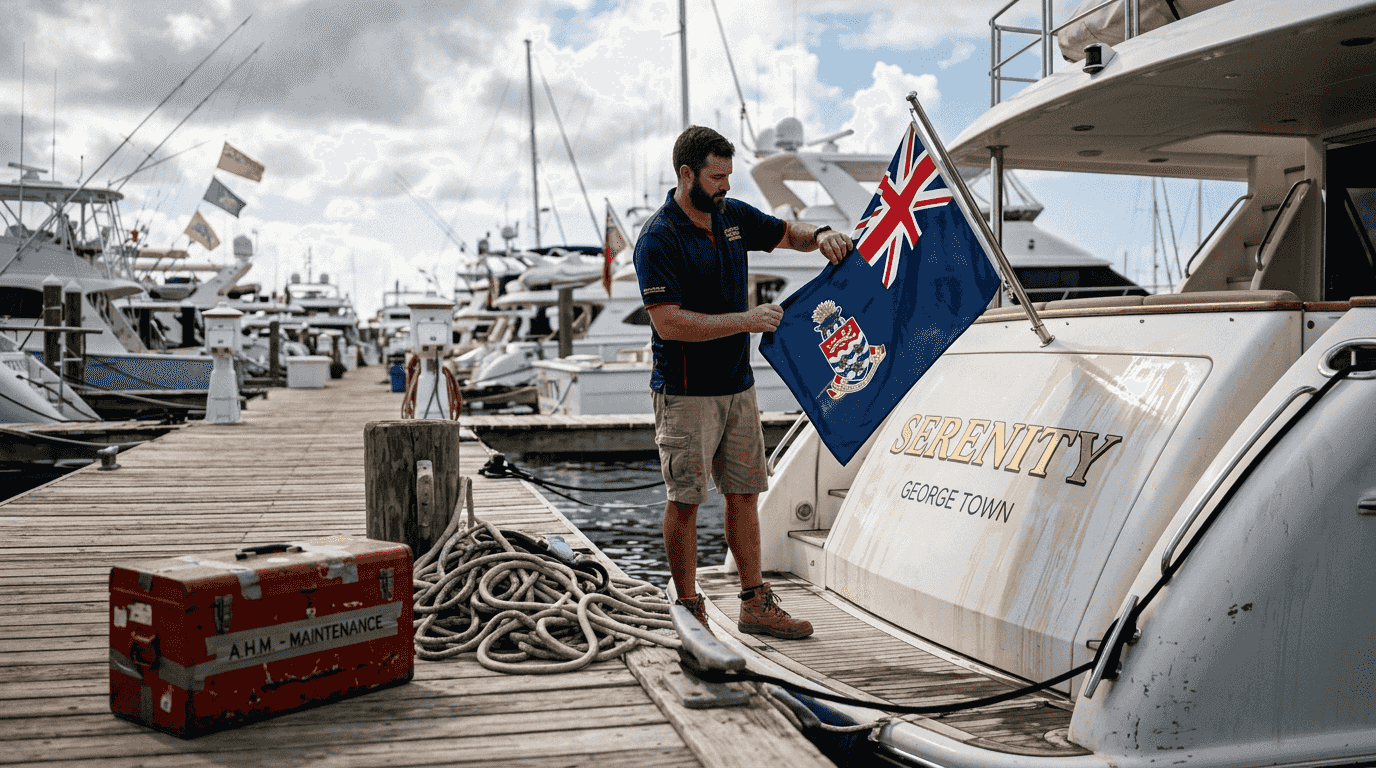
Cayman Islands: The Cayman flag represents premium positioning in the yacht industry. Registration costs run higher but deliver exceptional port acceptance worldwide. Cayman-flagged yachts face fewer inspections and enjoy streamlined charter licensing. The registry maintains rigorous safety standards that insurance companies reward with favorable premiums.
Marshall Islands: This flag offers flexibility and affordability without compromising legitimacy. The Marshall Islands imposes minimal crewing restrictions and accepts a wide range of vessel types. It’s particularly popular among commercial operators seeking cost efficiency while maintaining international credibility.
Malta: As an EU flag, Malta provides unique VAT benefits for European operations. The registry supports both private and commercial yachts with sophisticated legal structures. Malta registration works best for vessels spending significant time in Mediterranean waters or requiring EU compliance.
United States: The US flag is mandatory for domestic charter operations in American waters. Documentation through the Coast Guard enables legal charter activities but restricts crew to US citizens or green card holders. Costs remain moderate, but operational constraints limit international flexibility.
Pro Tip: Match your flag to your primary cruising grounds. A Malta flag makes little sense if you rarely visit European waters, while a US flag restricts international crew hiring.
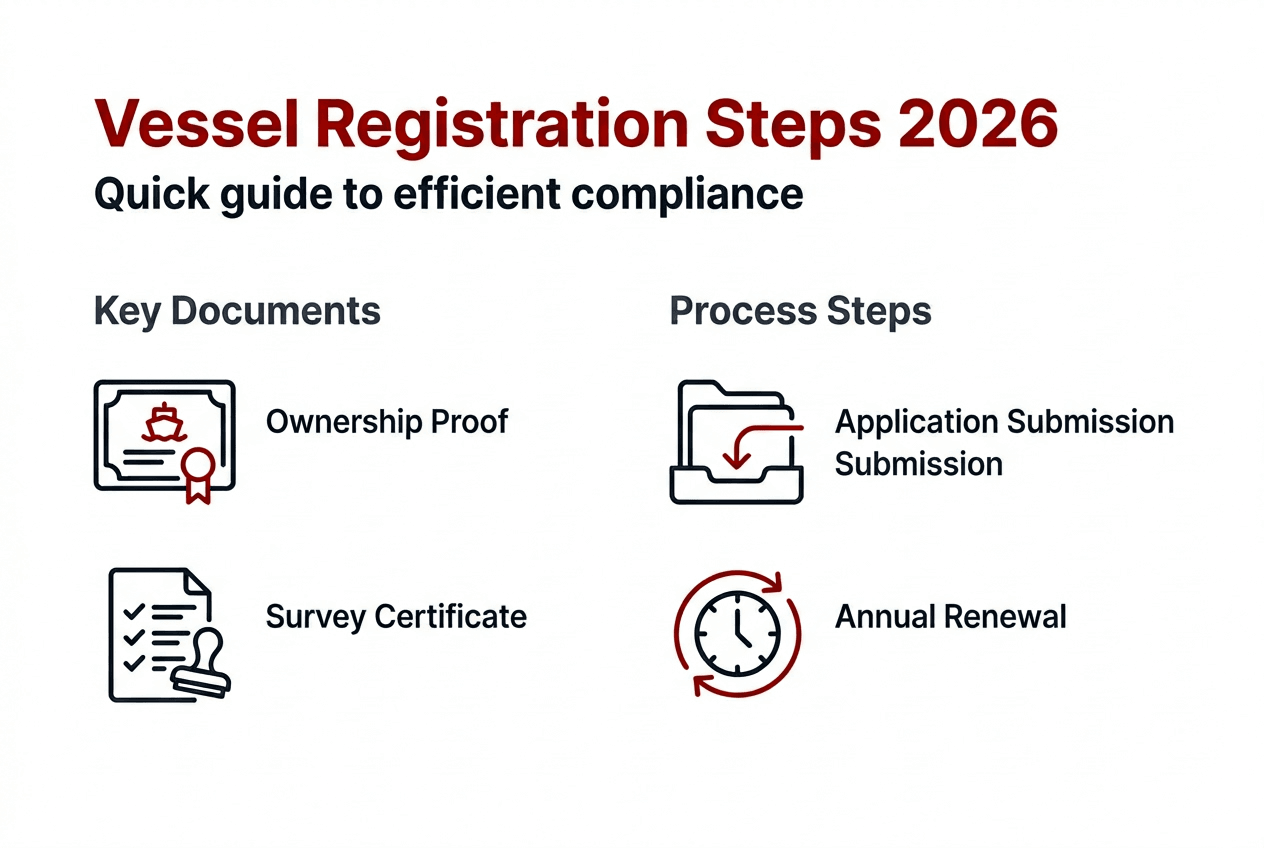
Each registry demands different documentation and compliance levels. Initial registration typically requires proof of ownership, builder’s certificates, tonnage measurement, and mortgage documentation if financed. Annual renewals involve fee payments, survey certificates, and updated crew lists.
Key legal compliance and procedural steps for vessel registration in 2026
Registering your vessel involves systematic documentation and ongoing compliance obligations. Following proper procedures prevents delays and legal complications.
Essential registration steps:
- Gather ownership documentation including bills of sale and previous registration certificates
- Obtain official tonnage measurement from an approved surveyor
- Prepare mortgage documentation if the vessel is financed
- Submit application with required fees to chosen registry
- Complete initial safety and equipment inspections
- Receive provisional registration and proceed with final certification
- Maintain ongoing compliance with annual renewals and surveys
Shipping Notices and Guidance Notes contain mandatory regulatory information. These documents outline technical requirements, safety equipment standards, crew certification needs, and operational restrictions. Ignoring these notices risks registration suspension or port detentions.
Compliance extends beyond initial registration. Annual renewals require current survey certificates, updated crew documentation, and timely fee payments. Most registries mandate periodic inspections by approved surveyors who verify safety equipment, structural integrity, and regulatory compliance.
Crew certifications vary by flag state. Some registries accept international certifications broadly, while others impose specific licensing requirements. Charter operations typically demand additional commercial certifications and liability insurance coverage.
Pro Tip: Schedule survey inspections three months before renewal deadlines. This buffer allows time to address any deficiencies without risking registration lapses.
Mortgage registration protects lenders but adds complexity. If your vessel is financed, the lender typically requires registration of their security interest with the flag state. This process involves additional documentation and fees but ensures your financing remains valid internationally.
The yat kayit kontrol li̇stesi̇ simplifies tracking requirements. Breaking the process into manageable steps prevents overlooking critical documentation. Most registries provide detailed application guides, but professional assistance often accelerates approval and ensures compliance.
Administrative procedures follow international maritime protocols but each registry adds unique requirements. Electronic submissions have streamlined many processes, reducing registration timelines from months to weeks. However, incomplete applications still cause frustrating delays.
Optimizing your vessel registration choice for operational efficiency and compliance
Strategic flag selection requires looking beyond immediate costs to long-term operational implications. Smart choices compound benefits over years of ownership.
Strategic considerations for flag selection:
- Align flag choice with your yacht’s primary cruising regions for smoother port clearances
- Evaluate tax implications in your home country and frequent destinations
- Consider crew nationality when assessing employment and visa requirements
- Research charter licensing if commercial operations are planned
- Review insurance company preferences and risk assessment criteria
Avoid choosing flags based solely on low fees or aesthetic appeal. Changing flag states later involves significant expense, administrative work, and potential operational disruptions. Thorough upfront research prevents costly corrections.
Reputation matters enormously. Superyacht registration jurisdiction affects port state control inspections, insurance premiums, and commercial charter legality. Well-regarded flags correlate with fewer boarding inspections and reduced bureaucratic friction worldwide.
Crew nationality laws deserve early consideration. Some flags require specific percentages of national crew members, complicating hiring for international operations. Others impose restrictions on charter crew certifications that limit commercial opportunities.
Tax planning intersects directly with flag choice. Different registries offer varying tax treatments, VAT structures, and reporting requirements. Consulting with maritime tax specialists prevents unexpected liabilities and optimizes your overall cost structure.
“A hasty flag decision made to save money upfront often costs multiples more through restricted operations, higher insurance, and eventual re-registration.”
Maintain proactive compliance with evolving regulations. Shipping Notices update regularly with new safety requirements, environmental standards, and operational restrictions. Subscribing to registry communications and working with knowledgeable registration advisors keeps you ahead of changes.
Financing considerations influence flag selection too. Lenders prefer established registries with clear legal frameworks and enforceable mortgage registration systems. Choosing obscure flags can complicate loan approvals or reduce available financing amounts.
Explore expert yacht registration services tailored to your needs
Navigating vessel registration requirements across multiple jurisdictions demands specialized knowledge and current regulatory awareness. Professional guidance transforms a complex, time-consuming process into a streamlined experience that protects your investment and maximizes operational flexibility.
Vessel Flag offers comprehensive support for yacht and commercial vessel owners seeking efficient, compliant registration solutions. Our team stays current with evolving flag state requirements, helping you select the optimal registry for your specific operational needs and cruising plans.
Whether you’re registering your first yacht or managing a commercial fleet, expert assistance ensures you meet all documentation requirements, maintain ongoing compliance, and avoid costly mistakes. Access detailed registration guidance, understand common registration challenges, and leverage our specialized registration services to simplify your vessel documentation journey.
Sıkça sorulan sorular
What are the essential requirements to register my vessel under an international flag?
Every registry requires proof of ownership through bills of sale and previous registration certificates. You’ll need official tonnage measurement from an approved surveyor and compliance documentation showing the vessel meets safety standards. Most flags demand evidence of a genuine link between the vessel and flag state, though this requirement varies in strictness. Mortgage documentation is necessary if the vessel is financed.
How do the costs of registering under popular flags like Cayman Islands, Malta, or Marshall Islands compare?
Cayman Islands registration typically costs $8,000 to $15,000 annually, reflecting its premium reputation and charter-friendly framework. Marshall Islands fees range from $5,000 to $10,000, offering cost-effective flexibility with minimal restrictions. Malta registration runs $10,000 to $18,000 annually but provides EU flag benefits and VAT advantages that can offset higher costs for European operations.
What are the main operational benefits of choosing a reputable flag state?
Reputable flags face fewer port state control inspections and detentions, saving time and avoiding operational disruptions. They typically secure better insurance terms with lower premiums due to reduced risk profiles. Well-regarded registries ensure compliance with international standards, enabling smoother charter licensing and broader operational permissions across global waters.
Can I register my yacht under a flag that differs from my nationality or where it is kept?
You can register under any flag state regardless of your nationality or the vessel’s home port. Flag choice should align with operational requirements, tax considerations, and cruising plans rather than matching your citizenship. This flexibility allows optimization of compliance costs, crew regulations, and charter opportunities based on your specific needs.
How long does the vessel registration process typically take in 2026?
Electronic submission systems have accelerated registration timelines significantly. Most registries process complete applications within two to six weeks depending on complexity and documentation completeness. Incomplete submissions or missing surveys can extend the process to several months. Professional assistance often reduces timelines by ensuring all documentation meets requirements on first submission.