
Principais Desafios no Registo e Conformidade de Iates: Navegar nos regulamentos globais com confiança
Navigating yacht registration and compliance can feel like steering through a storm of complex rules and paperwork. You face challenges from flag state registration to securing the right MMSI and radio licenses, all while keeping your yacht insurance and certifications in order. This guide breaks down those hurdles clearly, helping you chart a confident course through global regulations. Ready to streamline your paperwork and protect your investment? Let’s set sail. For more information, check out este guia completo.
Understanding Yacht Registration
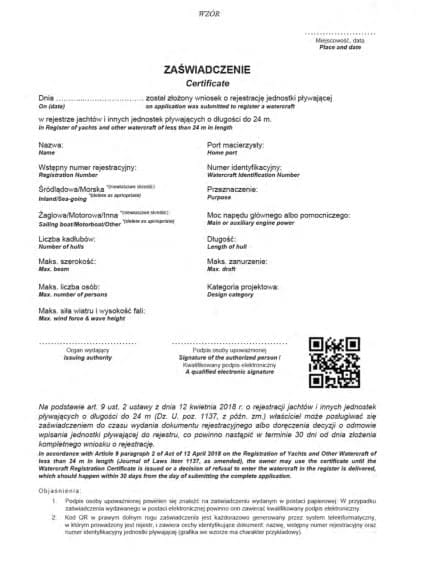
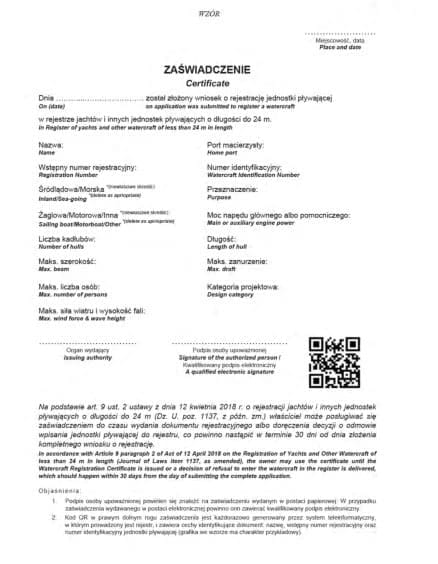
To set sail smoothly, understanding yacht registration is your first anchor point. Navigating through this process requires clarity about flag state registration and essential documents.
Navigating Flag State Registration
Choosing the right flag state is crucial. This decision impacts taxes, legal rights, and your yacht’s international standing. When picking a flag, consider your yacht’s primary cruising area and the regulations you’re comfortable with. Flags from countries like the UK, Malta, or Panama offer distinct advantages. For instance, Malta is known for its favorable tax regimes and robust maritime infrastructure. Additionally, some flag states provide benefits like easier mortgage options. Ultimately, your choice should align with your sailing habits and administrative preferences.
Key Yacht Documentation Services
Documentation is the backbone of legal yacht ownership. You need a precise set of papers, including the Certificate of Registry and Proof of Ownership. These documents ensure your yacht’s legal status and protect your interests. Working with a service that specializes in yacht documentation can save you time and headaches. They can handle everything from initial registration to renewals, ensuring compliance with international norms. Having your paperwork in order also boosts your yacht’s resale value.
Tonnage Certificate and MMSI Licensing
A Tonnage Certificate defines your yacht’s size and capacity, crucial for determining applicable regulations and fees. Meanwhile, an MMSI license is essential for communication at sea. This number links your vessel to safety and rescue services, providing peace of mind. Make sure to obtain both documents early in the registration process to avoid delays. With the right certifications, you not only comply with maritime laws but also enhance your navigation safety.
Ensuring Yacht Compliance
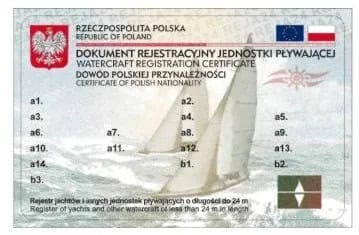
Once your yacht is registered, maintaining compliance is vital. This involves adhering to regional tax laws, safety standards, and crew certifications.
EU VAT Yacht and Temporary Importation
Navigating EU VAT regulations can be like charting tricky waters. If your yacht sails into EU territories, understanding VAT obligations is key. Temporary Importation allows non-EU yachts to enter EU waters without paying VAT for a limited period. This arrangement can save you significant costs if managed correctly. However, staying within the rules is critical to avoid hefty fines. Keep track of your yacht’s movements and consult a tax advisor to ensure compliance.
RCD Compliance and CE Marking for Yachts
The Recreational Craft Directive (RCD) sets safety and environmental standards for yachts in the EU. Achieving CE marking under RCD demonstrates your yacht meets these standards. Whether you’re building a new yacht or buying one, ensure it complies with RCD. This not only ensures safety but also affects resale value. Non-compliance can lead to penalties or even bans from EU waters. Partnering with experts familiar with these regulations can simplify the process and provide assurance.
MLC and STCW Crew Certification
For yachts with crew, compliance with the Maritime Labour Convention (MLC) and Standards of Training, Certification, and Watchkeeping (STCW) is mandatory. These standards ensure fair and safe working conditions for your crew. Proper certification protects you from legal issues and enhances the overall safety of your operations. Regularly updating these certifications is equally important. The longer you wait, the more challenging it becomes to ensure compliance, potentially affecting your yacht’s operational capabilities.
Managing Yacht Insurance and Transport
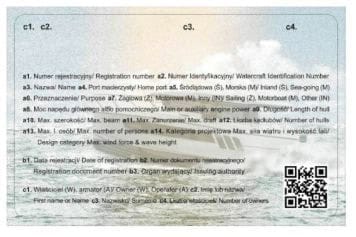
Insurance and transport are as critical as registration when it comes to protecting your yacht investment.
Hull and Machinery Insurance Essentials
Hull and machinery insurance shields your yacht from physical damage risks. This coverage is essential whether your yacht is moored, docked, or cruising. A tailored policy can address specific concerns like perilous waters or extended voyages. Discuss your needs with an insurance expert to customize your coverage appropriately. Remember, a comprehensive policy not only safeguards your asset but also offers peace of mind during unforeseen events.
P&I Cover and Charter Regulations
Protection and Indemnity (P&I) cover is vital, particularly if your yacht is available for charter. It protects against liabilities like passenger injury or environmental damage. Understanding charter regulations and ensuring adequate P&I cover can prevent costly disputes. This is especially crucial for yachts operating in multiple jurisdictions. By aligning your insurance with these regulations, you ensure smooth charter operations and safeguard your interests.
Global Yacht Transport Solutions
Transporting your yacht globally requires meticulous planning. Whether relocating for a season or selling internationally, professional transport services are invaluable. They manage logistics, customs, and safety, ensuring your yacht arrives in perfect condition. Choosing a reputable transport company can save you time and stress. They handle everything from route planning to delivery, allowing you to focus on enjoying new horizons.
By mastering these aspects of yacht registration, compliance, and management, you empower yourself to navigate global waters confidently and securely.
Explore a forma como simplificamos os seus desafios de registo de iates hoje mesmo.