
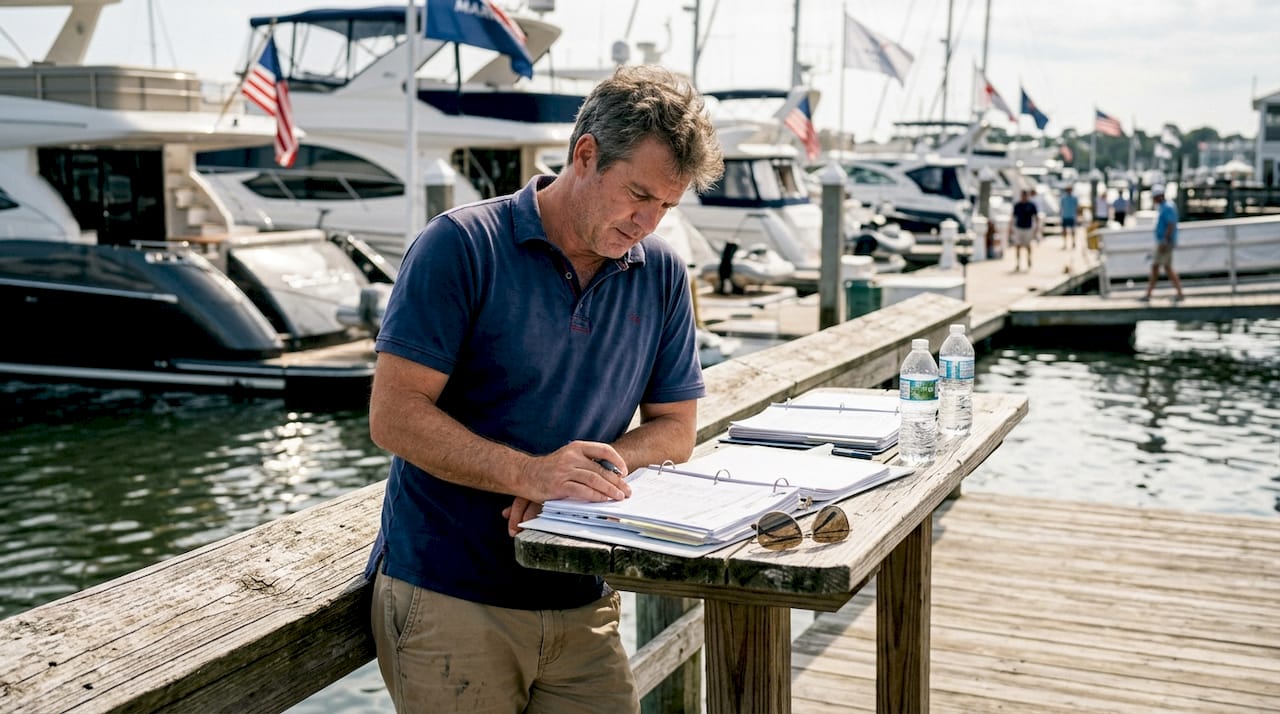
Selecting the right yacht registration flag is one of the most strategic decisions yacht owners and brokers make, directly impacting legal protection, tax obligations, operational flexibility, and resale value. With dozens of international flags offering varying benefits, compliance requirements, and reputation levels, the choice can feel overwhelming. This article breaks down the critical criteria for evaluating yacht registration options, compares popular offshore and reputable flags, and highlights key risks to avoid, empowering you to make informed decisions that align with your operational goals and cruising plans.
Índice
- Key takeaways
- Criteria for evaluating yacht registration benefits
- Popular offshore yacht registrations and their benefits
- Reputable white list flags: compliance, inspections, and asset value
- Risks and edge cases in yacht registration to consider
- Explore efficient yacht registration with Vessel Flag
- PREGUNTAS FRECUENTES
Principales conclusiones
| Punto | Detalles |
|---|---|
| Compliance credibility | Flags with strong international standing reduce port state control inspections and can lower insurance costs, boosting overall operational efficiency. |
| Cost risk tradeoff | Cheap flags save upfront fees but often incur higher inspection delays and insurance premiums over time. |
| Decision matrix | Develop a scoring system that weighs tax savings, inspection frequency, charter permissions, and registration timelines to identify the best flag for your operations. |
| Offshore options | Popular offshore flags such as Cayman Islands, Marshall Islands, Malta, and Panama offer tax advantages, privacy protections, and flexible crewing with varying costs and charter rules. |
Criteria for evaluating yacht registration benefits
Choosing a yacht registration flag requires balancing multiple factors that affect both immediate costs and long-term operational success. The most critical considerations include your primary cruising area, whether you plan to charter commercially, your residency status, and your vessel’s size and specifications. Each of these factors influences which flags offer the most practical advantages and which might create unnecessary complications.
Experts recommend assessing cruising area, charter intent, owner residency, and vessel size while working with professionals to ensure compliance. Cheap flags might save money upfront but often cost significantly more in operational risks, inspection delays, and insurance premiums over time. The goal is finding a flag that balances affordability with credibility, ensuring your yacht maintains access to desirable ports without facing excessive scrutiny.
Compliance and reputation directly impact your yacht’s operational efficiency. Flags with strong international standing reduce the likelihood of port state control inspections, which can delay voyages and increase costs. Insurance companies also favor reputable flags, often offering lower premiums for vessels registered under recognized jurisdictions. When planning your registration strategy, consider how each flag aligns with your intended use, whether that’s private cruising, commercial charters, or a combination of both.
Pro Tip: Create a decision matrix scoring each flag option against your specific priorities like tax savings, inspection frequency, charter permissions, and registration timeline to identify the best fit for your operational needs.
Understanding yacht registration best practices helps you navigate the complex regulatory landscape and avoid common pitfalls that could compromise your vessel’s legal standing or operational capabilities.
Popular offshore yacht registrations and their benefits
Offshore yacht registrations have become increasingly popular among owners seeking tax efficiency, privacy protections, and operational flexibility. The Cayman Islands, Marshall Islands, Malta, and Panama stand out as leading choices, each offering distinct advantages that appeal to different yacht ownership profiles and operational requirements.
These jurisdictions provide tax exemptions on international income, no VAT or sales tax obligations, and registration fees typically ranging from $1,000 to $10,000 initially, with annual renewal costs between $3,000 and $18,000 depending on vessel size. Privacy protections are robust, with many offshore flags allowing corporate ownership structures that shield beneficial owner identities from public registries. Flexible crewing rules eliminate restrictive nationality requirements, enabling you to hire the best crew regardless of citizenship.
Charter permissions vary significantly among offshore flags, making this a critical consideration if you plan to generate income from your yacht. The Cayman Islands offers a Yacht Master’s License (YET certificate) that facilitates legal chartering operations, while Panama provides straightforward commercial registration options. Marshall Islands registration appeals to larger yachts due to its streamlined documentation process and strong international recognition.
“Offshore flags deliver an optimal blend of tax efficiency, operational flexibility, and privacy protections that traditional home country registrations simply cannot match, particularly for yachts operating internationally or generating charter income.”
Key offshore registration benefits include:
- Elimination of income tax on international earnings and charter revenue
- Corporate ownership structures providing asset protection and privacy
- Minimal crew nationality restrictions enabling global hiring flexibility
- Streamlined documentation processes reducing administrative burden
- Access to international waters without complex customs procedures
Understanding efficient vessel registration requirements ensures you complete the offshore registration process smoothly while maintaining full compliance with international maritime regulations.
Reputable white list flags: compliance, inspections, and asset value
Registering under a Paris MoU white list flag provides substantial operational and financial advantages that extend far beyond basic legal compliance. These flags, including the Cayman Islands (which registers 50% of yachts over 30 meters) and the Marshall Islands, maintain the highest international standards, resulting in significantly reduced port state control inspection rates and enhanced credibility with insurers, lenders, and buyers.

Port state control inspections can delay voyages by days and incur substantial costs for corrections and re-inspections. White list flags face inspection rates up to 50% lower than gray or black list alternatives, translating directly into operational efficiency and reduced downtime. Insurance companies recognize this reduced risk profile, often offering premium discounts of 10-15% for vessels registered under reputable flags compared to those using questionable jurisdictions.
Financing and resale value receive substantial boosts from white list registration. Lenders view these flags as lower risk, offering more favorable loan terms and higher loan-to-value ratios. When selling your yacht, buyers and their surveyors place significant weight on flag reputation, with white list registrations commanding premium prices due to the perceived lower compliance risk and easier operational transfer.
| Bandera | Inspection Rate | Insurance Benefit | Annual Cost (50m yacht) |
|---|---|---|---|
| Islas Caimán | 5-7% | 10-15% discount | $8,000-$12,000 |
| Islas Marshall | 6-8% | 10-12% discount | $6,000-$10,000 |
| Malta | 8-10% | 8-12% discount | $10,000-$15,000 |
| Panamá | 12-15% | 5-8% discount | $5,000-$8,000 |
Pro Tip: Balance initial registration costs against long-term operational savings from reduced inspections and lower insurance premiums to identify the true cost-effectiveness of white list flags over a typical 5-10 year ownership period.
Maintaining yacht registration validity under reputable flags requires staying current with renewal deadlines and compliance updates, but the operational benefits far outweigh the administrative requirements.
Risks and edge cases in yacht registration to consider
While the benefits of strategic yacht registration are substantial, several significant risks and complex edge cases can undermine these advantages if not carefully managed. Understanding these pitfalls helps you avoid costly mistakes that could result in vessel detention, legal complications, or unexpected tax liabilities.
Cheap or low-reputation flags create serious operational risks including blacklisting and weak legal protections, leading to higher inspection rates and potential vessel detention in extreme cases involving fraudulent registries. Dark fleet cases demonstrate how vessels registered under questionable flags face scrutiny from port authorities worldwide, sometimes resulting in seizure or extended detention while ownership and compliance are verified. Home country flags often impose higher taxes and more stringent compliance requirements, but they provide stronger legal protections and diplomatic support when needed.
Dual or provisional registration arrangements add complexity but can serve specific strategic purposes. Panama allows provisional registration while maintaining another primary flag, though this requires careful legal structuring to avoid conflicts. Some owners pursue reflagging to avoid tariffs ranging from 15-50% by establishing foreign corporate ownership and obtaining cruising licenses, but these arrangements typically prohibit chartering or selling to residents of the original country and require renewal in foreign ports, creating operational constraints.
Common risks and mistakes in yacht registration include:
- Selecting flags based solely on cost without evaluating reputation and compliance requirements
- Failing to verify charter permissions before registering, limiting income potential
- Ignoring inspection frequency differences that impact operational efficiency
- Overlooking corporate structure requirements that could expose personal assets
- Missing renewal deadlines resulting in registration lapses and legal complications
Steps to mitigate registration risks and ensure compliance:
- Research flag reputation using Paris MoU white, gray, and black list classifications before committing to registration
- Verify charter permissions align with your intended commercial use and target cruising areas
- Consult maritime attorneys familiar with international registration law to structure ownership appropriately
- Establish calendar reminders for renewal deadlines with 90-day advance notice to prevent lapses
- Maintain complete documentation including bills of sale, builder’s certificates, and previous registration records
- Review insurance policy requirements to ensure your chosen flag meets carrier standards
Addressing yacht registration pain points proactively through careful planning and expert guidance prevents costly complications and ensures your registration delivers the intended operational and financial benefits.
Explore efficient yacht registration with Vessel Flag
Navigating the complex landscape of international yacht registration requires expertise, attention to detail, and deep understanding of evolving global regulations. Vessel Flag provides comprehensive support tailored specifically for yacht owners and brokers seeking efficient, compliant registration solutions across multiple jurisdictions. Whether you’re registering your first yacht or managing a fleet, their specialized knowledge ensures you maximize benefits while avoiding common pitfalls.
Their detailed how to register a yacht guide walks you through every step of the registration process, from selecting the optimal flag to completing final documentation. You’ll also find resources to ensure yacht registration validity and maintain compliance as regulations evolve. The comprehensive yacht registration checklist ensures you never miss critical documentation or deadlines that could delay your registration or create legal complications. Take action now to secure peace of mind and legal assurance with Vessel Flag’s proven expertise in international yacht registration.
PREGUNTAS FRECUENTES
What are the main benefits of registering a yacht offshore?
Offshore registration offers tax exemptions on international income, eliminating VAT and sales tax obligations that can represent substantial savings for yacht owners. Privacy protections through corporate ownership structures shield beneficial owner identities from public disclosure. Flexible charter permissions and minimal crew nationality restrictions make offshore flags particularly attractive for owners who cruise globally or operate commercial charters, providing operational advantages that traditional home country registrations cannot match.
How do reputable flags reduce inspections and improve yacht value?
White list flags maintain the highest international compliance standards, resulting in port inspection rates up to 50% lower than alternative jurisdictions, which directly reduces operational disruptions and associated costs. Insurance companies recognize this reduced risk profile and often provide premium discounts of 10-15% for vessels under reputable flags. These flags also enhance financing opportunities with more favorable loan terms and boost resale value by increasing buyer confidence in the vessel’s compliance history and operational track record.
What risks should I avoid when choosing a yacht registration flag?
Avoid low-reputation or cheap flags that risk blacklisting, weak legal protections, and significantly higher port inspection rates that can disrupt operations and increase costs. Fraudulent registries create severe risks including vessel detention, particularly in cases involving dark fleet activities that attract heightened scrutiny from international authorities. Ensure your registration complies fully with international maritime laws and maintains validity through timely renewals to prevent operational issues, legal complications, and the substantial expense of emergency reflagging under less favorable circumstances.
Can I register my yacht under more than one flag?
Dual or provisional registration is possible in certain jurisdictions like Panama, though it requires careful legal structuring to avoid conflicts between flag state requirements and international regulations. Some owners use this approach to avoid tariffs ranging from 15-50% by establishing foreign corporate ownership combined with cruising licenses. However, these arrangements typically impose significant restrictions including prohibitions on chartering or selling to residents of certain countries, and they require renewal in foreign ports rather than the convenience of domestic processing, creating operational constraints that must be carefully evaluated against potential benefits.
Recomendado
- What is yacht registration? A 2026 guide for owners
- Cómo matricular un yate: Guía completa para propietarios
- Ensure yacht registration validity for global compliance
- Puntos débiles del registro de yates: Navegue por la conformidad mundial con confianza - Vessel Flag
- Yachtversicherung einfach erklärt: Schutz für Yachtbesitzer 2026