
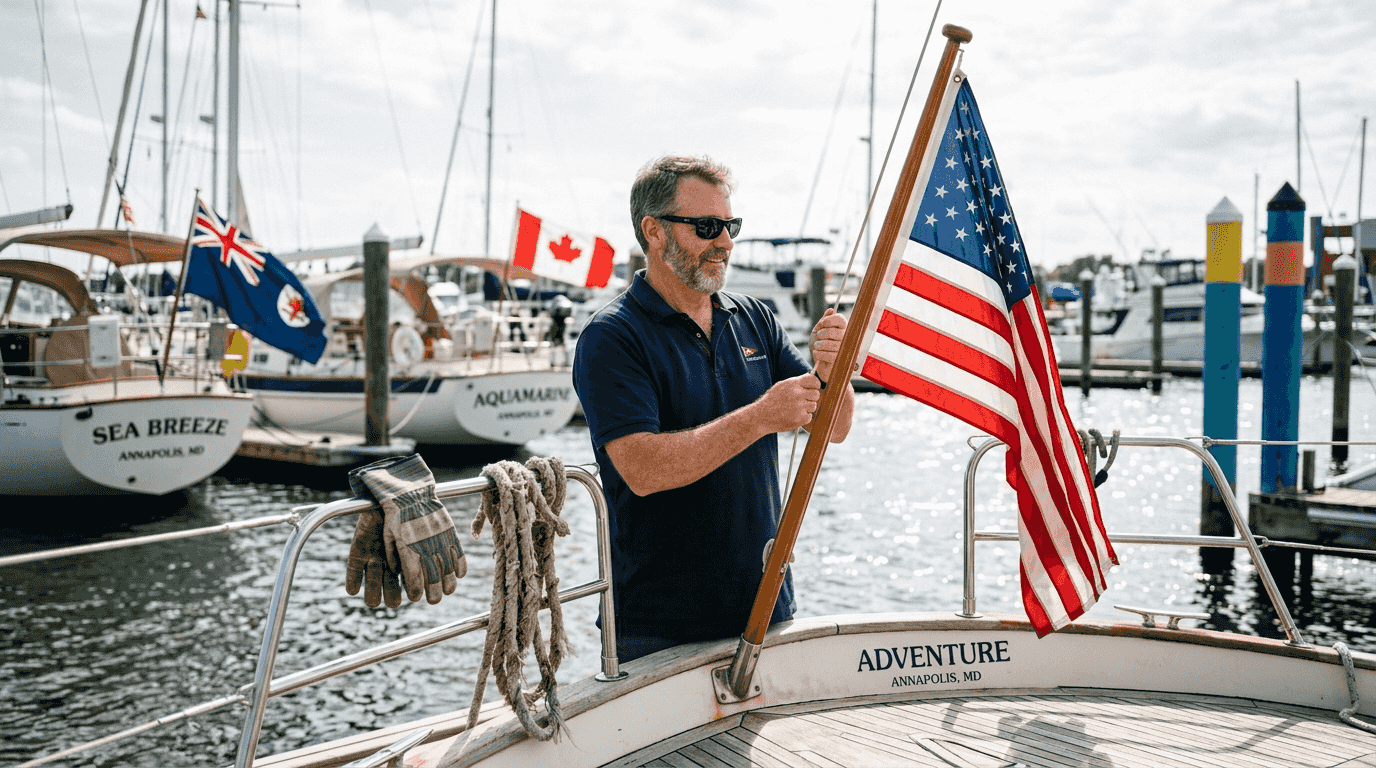
Selecting the right flag for your yacht is more than a formality. It shapes your vessel’s legal standing, operational flexibility, crew management, and tax obligations across international waters. Many yacht owners face confusion navigating varied registration requirements, chartering rules, and compliance standards tied to different flag states. Choosing poorly can lead to costly re-registrations, operational restrictions, or legal complications. This guide walks you through the essential considerations and actionable steps to confidently choose the best boat flag for your yacht in 2026, ensuring compliance and optimizing your maritime operations.
Inhaltsübersicht
- Understanding The Importance Of Flag Selection
- Prerequisites And Considerations Before Choosing Your Boat Flag
- Step-By-Step Guide To Selecting The Right Boat Flag
- How To Verify Your Flag Choice And Manage Ongoing Compliance
- Explore Expert Yacht Registration Services
- Häufig gestellte Fragen
Key takeaways
| Punkt | Einzelheiten |
|---|---|
| Flag state impacts legality and operations | Your boat flag determines legal nationality, crew employment rules, chartering access, and tax treatment. |
| No universal best flag exists | Selection depends on vessel size, cruising grounds, operational goals, and ownership structure. |
| Understanding requirements prevents costly mistakes | Researching registration criteria and eligibility upfront avoids expensive re-registration and compliance issues. |
| Certain flags offer strategic advantages | Flags like Malta, Cayman Islands, and Marshall Islands provide benefits for chartering, tax planning, or prestige. |
| Flag reputation affects insurance and inspections | High-performing flag states reduce inspection frequency, lower insurance premiums, and improve resale value. |
Understanding the importance of flag selection
Your yacht’s flag defines its legal nationality and ensures compliance with international maritime law. This choice directly influences crew employment contracts, qualifications, and working conditions onboard. Choosing a flag state impacts crew hiring, chartering ease, and regulatory compliance in ways many owners underestimate.
The flag you select affects access to ports, chartering capabilities, insurance terms, and taxation. Flag selection significantly impacts taxes, crew employment, insurance costs, and operational legality. Choosing the wrong flag can lead to increased inspections, detentions at foreign ports, or operational restrictions that disrupt your cruising plans. Owners should consider their yacht’s intended use, cruising grounds, and crew management when selecting a flag.
A yacht’s flag determines nationality and regulates safety, crew qualifications, and other critical aspects. The flag state’s reputation influences how port authorities, insurers, and buyers perceive your vessel. A well-regarded flag signals professionalism and compliance, while a poorly performing registry can trigger scrutiny and complications.
Selecting a flag state is not just about registration paperwork. It’s a strategic decision that affects every aspect of yacht ownership, from crew welfare to resale value.
Key operational considerations include:
- Legal compliance with international conventions and local regulations
- Crew nationality requirements and employment contract standards
- Chartering permissions and commercial operation licenses
- Tax obligations, VAT treatment, and duty relief eligibility
- Insurance premiums and coverage terms based on flag reputation
Professional yacht registration services help navigate these complexities, ensuring you select a flag aligned with your operational and financial goals. Understanding the importance of flag selection sets the foundation for making an informed choice that protects your investment and supports smooth operations worldwide.
Prerequisites and considerations before choosing your boat flag
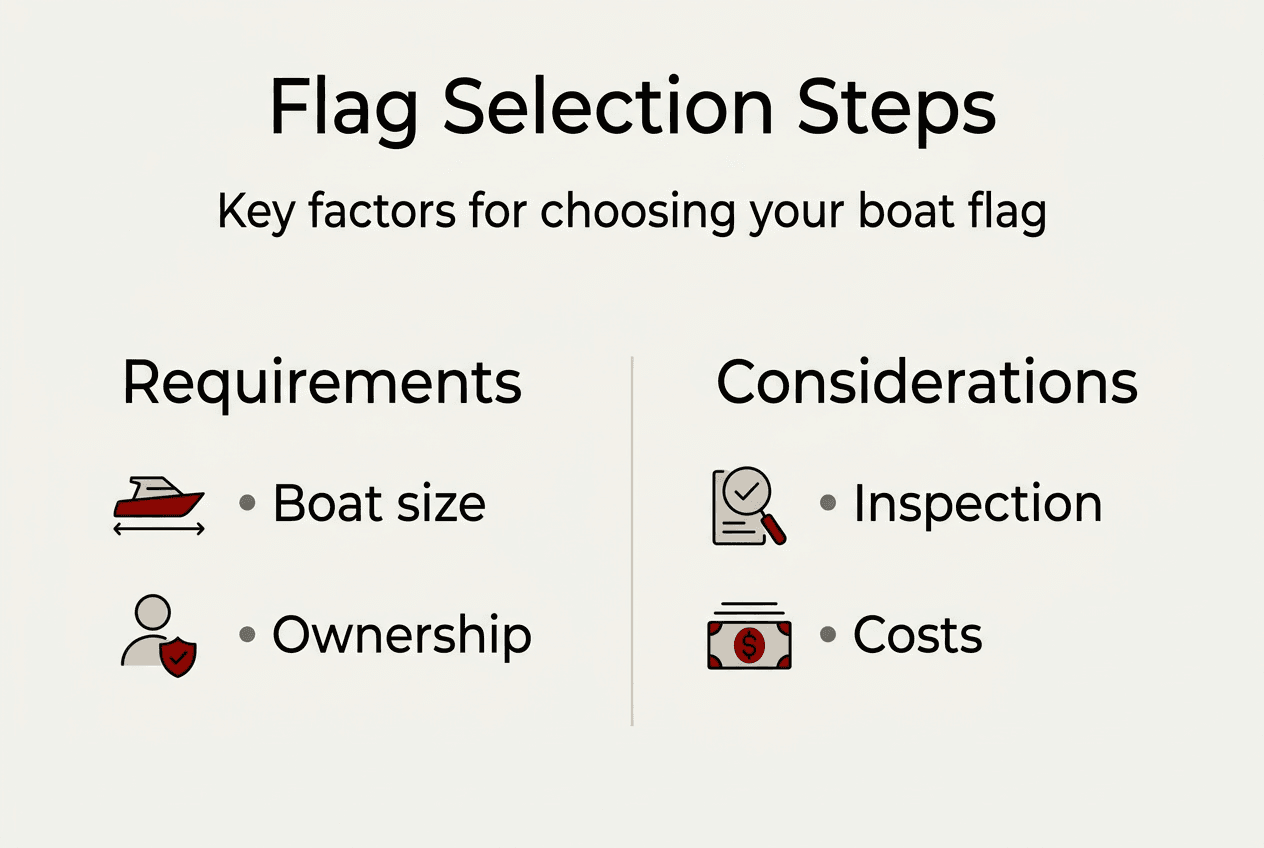
Before selecting a flag, confirm your yacht meets size and tonnage requirements of registry options. Vessel size restrictions vary significantly between registries, impacting eligibility. Some flags accept smaller recreational vessels, while others focus exclusively on superyachts or commercial operations.
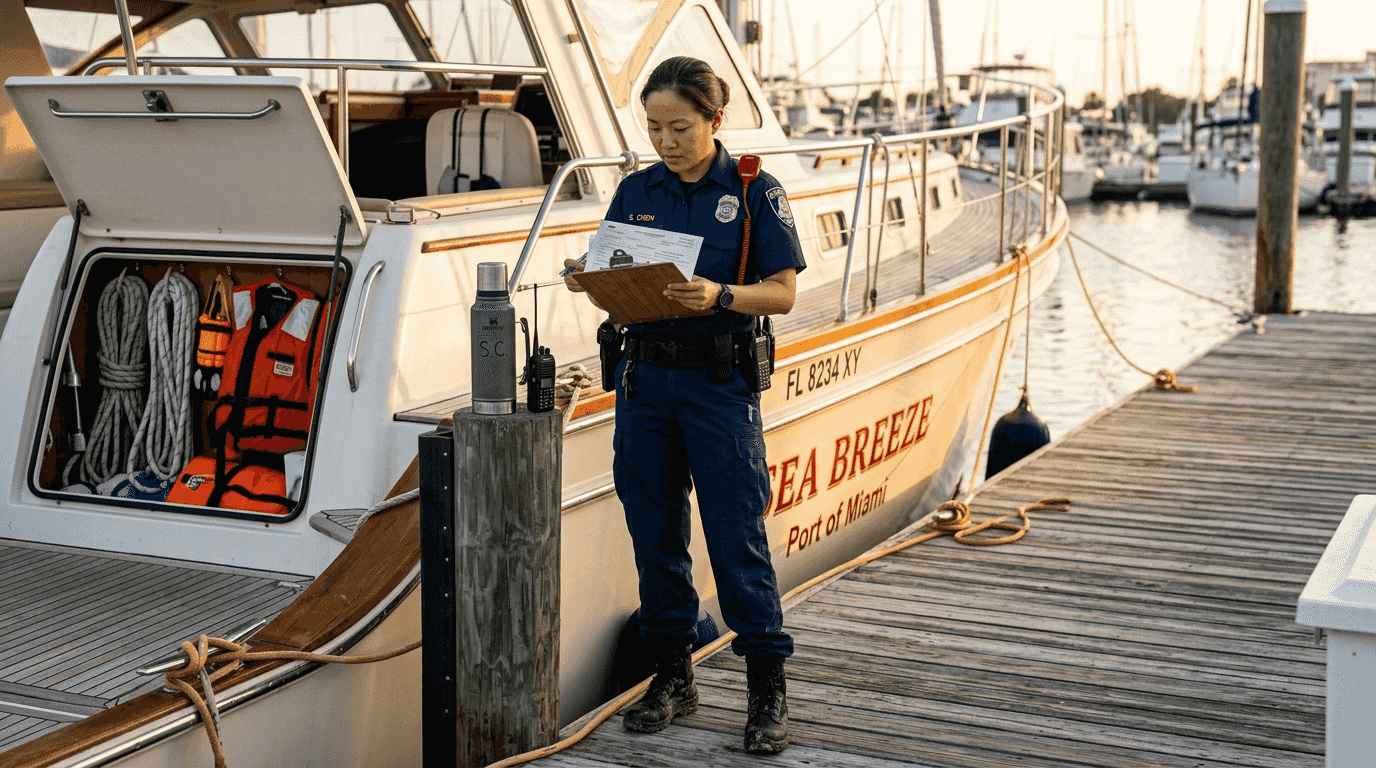
Determine if your nationality or residency restricts eligibility for specific flags. Owner’s nationality and residency can restrict flag eligibility and influence tax strategies. Certain registries prioritize nationals or residents, while others welcome international owners without restrictions.
Consider your operational profile carefully:
- Define your yacht’s primary use: private cruising, commercial chartering, or dual-use operations.
- Identify your main cruising regions and ports you plan to visit regularly.
- Assess crew management needs, including nationality preferences and certification requirements.
- Evaluate chartering intentions and commercial licensing requirements in target markets.
- Clarify tax planning goals and jurisdictions where you want to optimize fiscal treatment.
Understand that many foreign registrations require a legal local entity such as a corporation or trust. Foreign registries often require a legal entity in the registration country, such as a corporation or partnership. This adds complexity and cost but can provide tax advantages and asset protection benefits.
Assess tax planning goals carefully. Some flags offer dual-use registration benefiting commercial and private operations, allowing you to charter your yacht while maintaining favorable tax treatment. Others provide exemptions or reliefs on import duties, VAT, or tonnage taxes that significantly reduce ownership costs.
Pro Tip: Create a written checklist of your yacht’s specifications, operational goals, and legal constraints before researching flag options. This clarity helps you quickly eliminate unsuitable registries and focus on candidates that truly fit your needs.
Ownership structure matters significantly. If you plan to hold your yacht through a corporate entity, trust, or partnership, verify that your chosen flag accommodates these structures. Some registries require specific legal forms or impose additional documentation requirements for corporate ownership.
Understanding common yacht registration pain points helps you anticipate challenges and prepare documentation efficiently. Addressing prerequisites upfront streamlines the selection process and prevents costly delays or re-registrations down the line.
Step-by-step guide to selecting the right boat flag
Research flag states aligning with your yacht size, operational area, and intended use. The best yacht flag depends on specific operational needs, including cruising grounds, charter intentions, and tax implications. Start by listing flags that accept your vessel size and match your cruising regions.
Use official and independent resources like the ICS Flag State Performance Table to assess reputation and compliance. This annual assessment evaluates registers based on safety records, Port State Control performance, and adherence to international conventions. Flags with high scores typically face fewer inspections and enjoy smoother port access.
Compare costs, inspection frequency, and crew employment rules among candidate flags. Registration fees, annual tonnage taxes, and survey requirements vary widely. Some flags impose strict crew nationality quotas, while others allow full flexibility in hiring international crew members.
| Flag State | Best For | Key Advantage | Consideration |
| — | — | — |
| Cayman Islands | Prestige and charter | Suitable for prestige operations | Higher registration costs |
| Marshall Islands | Flexibility and cost | Cost-effective with minimal restrictions | Less recognition in some regions |
| Malta | EU operations | EU access and compliance | Requires local representation |
| Red Ensign Group | Global recognition | Highly regarded for superyachts | Strict compliance standards |
Evaluate special considerations based on your operational priorities:
- For EU cruising and chartering, consider Malta for seamless access to European waters and compliance with EU regulations.
- For prestige and global recognition, Red Ensign Group jurisdictions like Cayman Islands or British Virgin Islands offer strong reputations.
- For cost-effectiveness and operational flexibility, Marshall Islands provides streamlined processes and minimal bureaucracy.
- For commercial chartering in Caribbean or Mediterranean markets, assess local flag preferences and charter licensing requirements.
Pro Tip: Request detailed cost breakdowns from at least three flag registries before deciding. Hidden fees for surveys, inspections, or annual renewals can significantly increase total ownership costs over time.
Complete your application with required documentation, respecting local regulations and corporate ownership structures. Typical requirements include proof of ownership, vessel survey certificates, tonnage measurement, insurance coverage, and corporate documents if applicable. Processing times range from a few days to several weeks depending on the registry.
Professional guidance simplifies this process. Services like Cayman Islands flag registration, Malta Yacht Registrierung, and Marshall Islands flag registration offer expert support tailored to each jurisdiction’s specific requirements, ensuring smooth and compliant registration.
Verify that your chosen flag supports your long-term plans. If you intend to sell your yacht in the future, certain flags enhance resale value and buyer confidence. If you plan to change cruising regions or operational models, select a flag that accommodates these transitions without requiring re-registration.
How to verify your flag choice and manage ongoing compliance
Monitor flag state performance via ICS annual reports and Port State Control statistics to confirm good standing. Flag state selection affects a yacht’s risk profile and inspection frequency. The ICS Shipping Industry Flag State Performance Table assesses registers’ compliance and reputation annually, providing transparency on each flag’s standing.
Ensure your vessel complies with local flag state inspections, surveys, and reporting requirements. Most registries mandate periodic safety inspections, equipment surveys, and documentation updates. Missing deadlines or failing inspections can result in fines, operational restrictions, or even flag cancellation.
Be aware that poor flag performance increases risk of detentions, insurance premium hikes, and charter restrictions. Flags must maintain inspections to qualify for Paris and Tokyo MOU white lists affecting port control outcomes. Vessels flagged under poorly performing registries face more frequent Port State Control inspections, which can delay operations and increase costs.
Maintain documentation and follow flag-specific rules on crew certification, tax filings, and operational licenses. Key compliance activities include:
- Renewing registration certificates and tonnage tax payments annually
- Updating crew lists and ensuring valid certifications for all crew members
- Filing required reports on vessel movements, incidents, or ownership changes
- Maintaining valid insurance coverage meeting flag state minimum requirements
- Scheduling mandatory surveys and inspections within prescribed intervals
Develop a compliance calendar and engage professionals for ongoing regulatory adherence. Setting reminders for renewal deadlines, survey dates, and reporting requirements prevents lapses that could jeopardize your flag status. Many yacht management companies and specialized consultants offer compliance monitoring services, taking the administrative burden off owners.
Regularly review your flag choice as your operational needs evolve. If you change cruising regions, shift from private to commercial use, or adjust crew management practices, your original flag may no longer be optimal. Periodic reassessment ensures your flag continues to support your goals and compliance obligations.
Staying informed about yacht registration best practices helps you maintain compliance and avoid common pitfalls. Proactive management of your flag state relationship protects your investment and ensures smooth, uninterrupted yacht operations worldwide.
Explore expert yacht registration services
Navigating boat flag selection and registration can feel overwhelming given the complex regulations and varied requirements across jurisdictions. Professional yacht registration services simplify these processes, helping you optimize tax treatment, compliance, crew employment, and charter considerations tailored to your yacht’s specific needs.
Vessel Flag offers comprehensive guides and hands-on assistance for smooth, compliant yacht registration in 2026. Whether you need support understanding how to register a yacht, want to navigate global compliance with confidence, or require full-service Flaggenregistrierung support, expert consultants streamline the journey from flag selection through ongoing compliance management. Leveraging professional expertise saves time, reduces errors, and ensures your yacht operates legally and efficiently under the flag that best serves your operational and financial goals.
Frequently asked questions
What yacht size qualifies for popular flag states?
Most flag states have minimum size or tonnage requirements that vary significantly. Maltese flag requires vessels over 6m and Guernsey accepts yachts up to 150 gross tonnes. Larger superyachts have broader options, while smaller recreational vessels may face restrictions in certain prestigious registries. Always verify size eligibility before beginning the registration process to avoid wasted effort. Professional services like Malta yacht registration can clarify specific requirements for your vessel.
Can I register my yacht under a flag different from my nationality?
Yes, many yacht owners flag vessels in countries different from their nationality to optimize operational and tax benefits. A yacht’s flag doesn’t need to match the owner’s citizenship or the yacht’s location. However, some registries impose nationality or residency restrictions, and certain flags require establishing a local legal entity. Consult with registration experts to identify flags that welcome international owners and align with your specific circumstances.
How often are yachts inspected under different flag states?
Inspection frequency depends on the flag state’s compliance record and the yacht’s operational profile. Flag state selection affects a yacht’s risk profile and inspection frequency significantly. Flags must maintain inspections to qualify as compliant under Paris and Tokyo MOUs. Yachts registered under high-performing flags face fewer Port State Control inspections, while those under poorly rated flags may be inspected at nearly every port call. Choosing a reputable flag reduces inspection burdens and operational disruptions.
What are the tax implications of choosing a particular boat flag?
Different flags have varying tax regimes affecting ownership and operational costs significantly. Flag selection significantly impacts taxes, crew employment, insurance costs, and operational legality. Some flags offer VAT exemptions, tonnage tax reliefs, or favorable treatment for charter income. Tax planning should be factored into flag selection, considering relief mechanisms available in different jurisdictions. Always consult tax advisors familiar with maritime taxation to leverage reliefs and avoid double taxation linked to your flag choice. Resources like Kosten der Steuerregelung für die Registrierung von Jachten provide detailed guidance on fiscal considerations.