
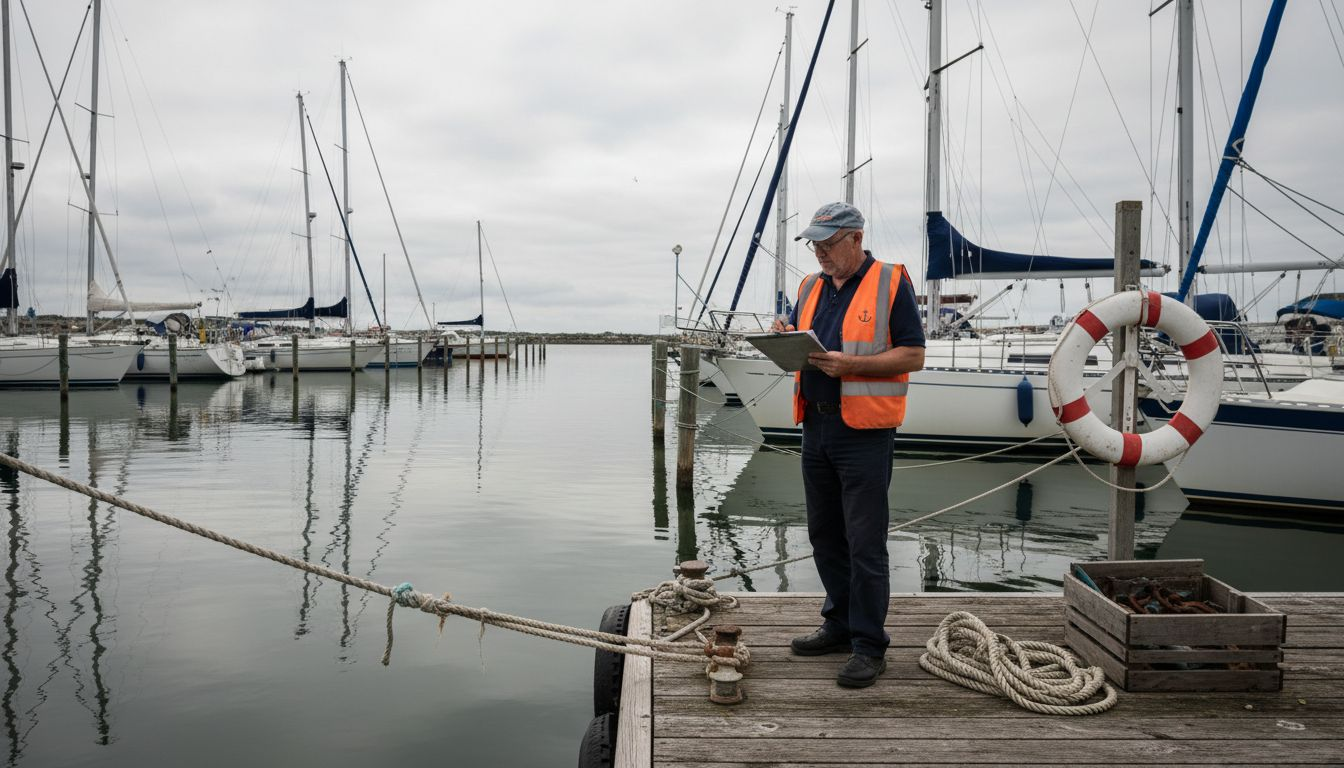
For yacht owners and brokers managing vessels across borders, compliance demands more than a flag on the stern. Each jurisdiction, whether Malta or the UK, sets unique standards that shape how your boat operates on international waters. Understanding boat registration compliance means securing your vessel’s legal status and global recognition while avoiding costly delays, legal risks, and operational surprises.
Inhaltsübersicht
- Core Definition of Boat Registration Compliance
- Types of Registries and Flag States Explained
- Legal Requirements Across Global Jurisdictions
- Registration Process and Essential Documentation
- Risks, Costs, and Common Compliance Mistakes
Wichtigste Erkenntnisse
| Punkt | Einzelheiten |
|---|---|
| Understanding Compliance Requirements | Boat registration compliance involves safety standards, documentation, environmental protection, crew certification, and regular inspections based on the flag state regulations. |
| Importance of Legal Nationality | Proper registration is crucial for legal nationality, protection under international law, and the ability to operate commercially. |
| Choosing the Right Registry | Selecting between open and closed registries impacts compliance obligations, operational flexibility, and associated costs. |
| Risks of Non-Compliance | Failing to comply can lead to detention, legal penalties, and loss of navigation rights, making timely registration essential. |
Core Definition of Boat Registration Compliance
Boat registration compliance means ensuring your vessel meets all legal, safety, and operational requirements set by the flag state and international maritime law. When you register a boat, you’re not just getting paperwork. You’re establishing your vessel’s identity, nationality, and legal standing in the eyes of global maritime authorities.
Ship registration assigns your vessel a nationality, which allows it to operate internationally under a specific flag. This creates a direct relationship between your boat and a registering country. That country then assumes regulatory control and responsibility for ensuring your vessel complies with maritime standards.
What Compliance Actually Involves
Boat registration compliance covers multiple interconnected areas:
- Sicherheitsstandards – Your vessel must meet construction, equipment, and operational safety requirements.
- Documentation – Proper yacht registration documents must be maintained and current.
- Environmental protection – Pollution prevention systems and waste management procedures must comply with international rules.
- Crew certification – Officers and crew must hold valid credentials recognized by your flag state.
- Regular inspections – The flag state conducts periodic inspections to verify ongoing compliance.
Why Registration Matters at a Global Level
Boat registration ensures a ship’s nationality and is fundamental to maritime safety, security, and environmental protection. Your vessel’s flag state has the authority and responsibility to enforce these standards across all international waters.
Without proper registration, you have no legal nationality, no protection under international law, and no legitimate claim to operate commercially. Port states can detain your vessel, refuse to recognize your ownership, or prevent you from conducting business.
Compliance also affects insurance, financing, and crew hiring. Lenders won’t fund unregistered vessels. Insurance companies won’t cover them. Port authorities treat them as suspicious.
The Core Requirements
At minimum, compliance requires:
- Valid registration with your chosen flag state
- Current safety certifications and inspection records
- Proper vessel documentation and registry updates
- Compliance with pollution prevention regulations
- Crew documentation and training certifications
- Regular maintenance of all required equipment
Compliance is not a one-time task. Your obligations continue throughout your vessel’s operational life and require ongoing attention to changing regulations.
The specific requirements vary by flag state and vessel type. A Malta-flagged yacht has different compliance obligations than a UK Part 1 registered commercial vessel. Understanding your flag state’s specific requirements is critical for avoiding penalties, detention, or loss of your vessel.
Profi-Tipp: Start with a complete audit of your current compliance status before purchasing a vessel or changing flag states. This prevents costly surprises and helps you budget for required certifications and updates.
Types of Registries and Flag States Explained
Not all boat registries work the same way. The type of registry you choose determines who can own your vessel, what compliance obligations apply, and which country exercises jurisdiction over your boat. Understanding these differences is critical for selecting the right flag state for your needs.
Open Registries vs. Closed Registries
Open registries accept foreign-owned vessels to fly their flag, while closed or traditional registries restrict registration to vessels owned by nationals. This distinction shapes everything about how your vessel operates and what rules apply.
Open registries represent the global standard today. They allow international yacht owners and operators to register vessels without nationality requirements. Closed registries, by contrast, maintain stricter ownership controls tied to citizenship or residency.
Key Differences Between Registry Types
- Open registries – Accept foreign owners, simpler processes, lower compliance barriers, more international flexibility.
- Closed registries – Require national ownership or control, stricter vetting, deeper flag state accountability, limited international access.
- Jurisdiction – The flag state exercises full regulatory control regardless of registry type.
- Oversight – Open registries face more scrutiny for compliance; closed registries rely on stricter entry requirements.
How Flag States Control Your Vessel
The flag state assumes jurisdiction and control over ships flying its flag in line with international law. Your flag state becomes responsible for enforcing maritime safety standards, environmental regulations, and crew certification requirements.
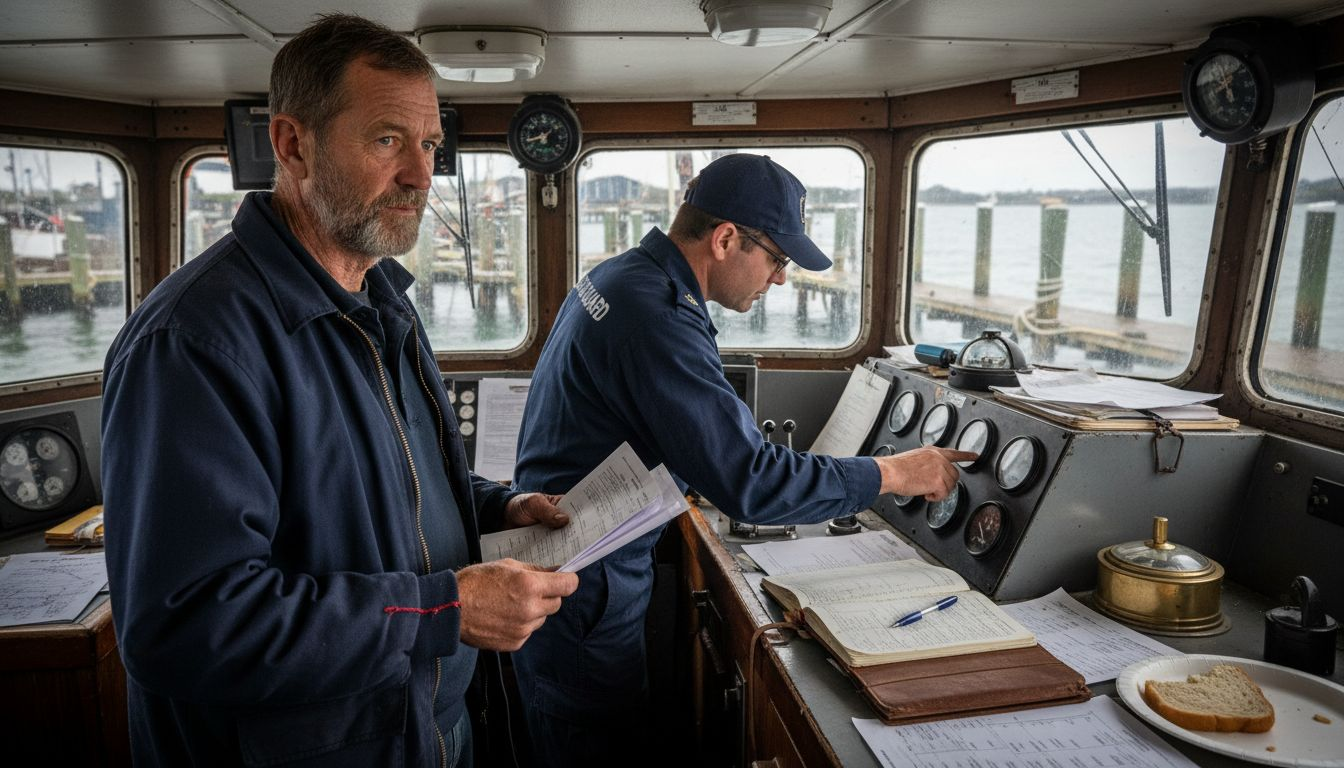
This means Malta, the UK, Palau, or Poland (depending on your chosen registry) has the authority to inspect your vessel, audit your compliance records, and enforce penalties if violations occur. Your flag state also represents your vessel in international maritime disputes.
Popular Registry Options for Yacht Owners
Yacht owners typically choose between several established registries:
- Malta – Open registry, EU regulations, recognized globally, moderate costs
- UK Teil 1 – Closed traditional registry, strict requirements, highest credibility
- Palau – Open registry, streamlined processes, cost-effective
- San Marino – Open registry, European standards, growing reputation
Your choice of flag state directly impacts your compliance costs, operational flexibility, and international standing. Take time to match your vessel type and business goals with the right registry.
Each registry has different cost structures and processing times. Malta handles registrations in days; traditional registries may take weeks. Understanding the factors affecting boat registration costs helps you budget accurately and avoid surprises.
Here’s a comparison of popular yacht registry options and their advantages:
| Registry | Eigentumsbeschränkungen | Processing Time | Internationale Anerkennung |
|---|---|---|---|
| Malta | Accepts foreign owners | 3-5 days | High, especially in EU |
| UK Teil 1 | Requires national ownership | 2-3 weeks | Highest, especially commercial |
| Palau | Open to all ownership types | Same-day for complete submission | Moderate, rapid approval |
| San Marino | Open to international owners | Few days | Growing, European standards |
Profi-Tipp: Match your registry choice to your vessel’s primary operating region and your business structure. A commercial charter yacht operates better under Malta; a private cruising yacht may prefer UK Part 1 for credibility and simpler compliance.
Legal Requirements Across Global Jurisdictions
Boat registration rules differ significantly across countries and maritime zones. What’s required in Malta may not apply in Palau. Understanding these variations prevents costly compliance mistakes and keeps your vessel operating legally everywhere you sail.
The International Foundation
Every ship must be registered with a state that exercises jurisdiction and control over it under international law. This requirement stems from UNCLOS and creates a binding relationship between your vessel and your chosen flag state.
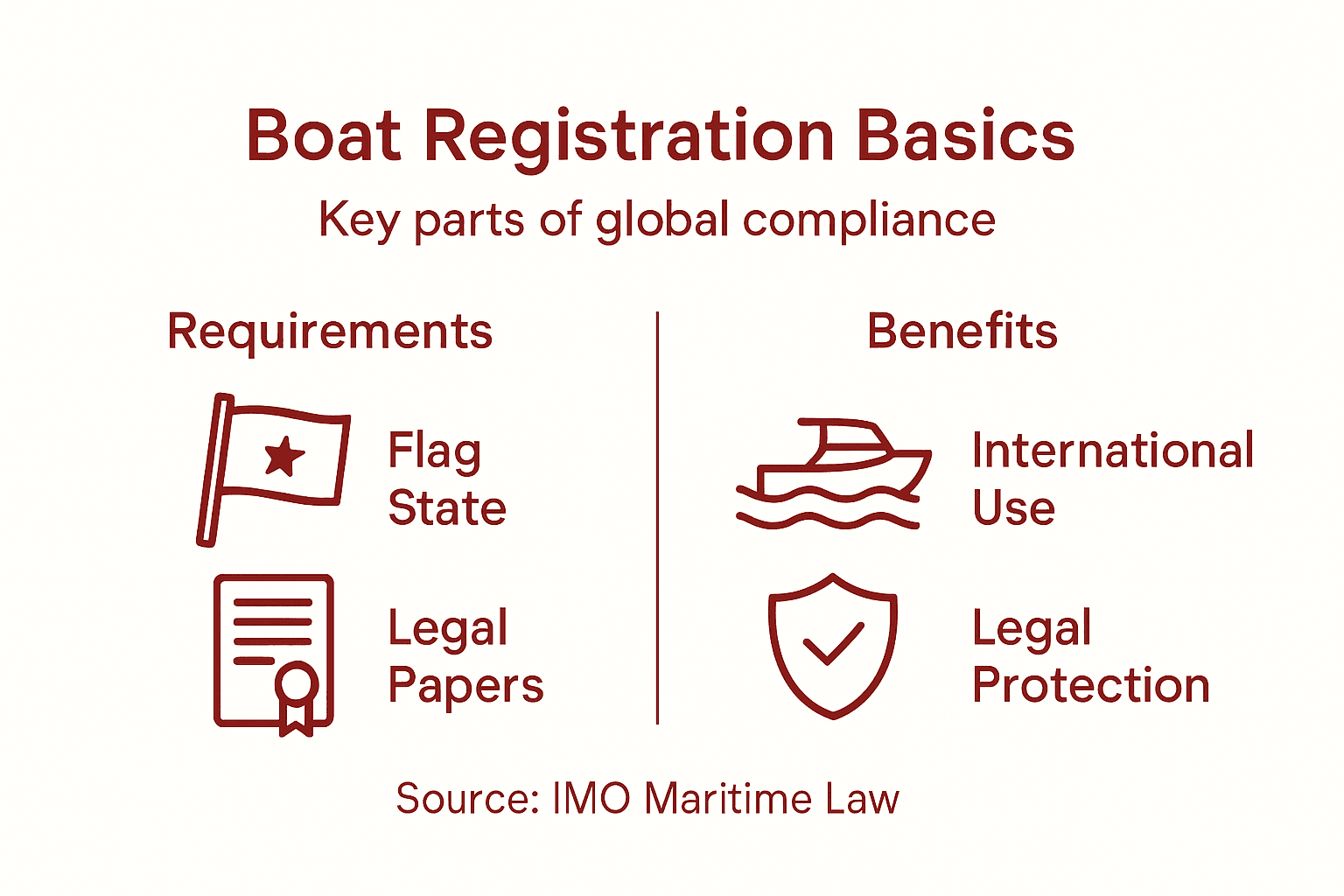
However, how individual nations enforce registration varies dramatically. Some countries mandate registration for all vessels regardless of size. Others make it optional for smaller recreational boats. This variability creates complexity for international yacht owners.
Mandatory vs. Optional Registration
Legal registration requirements for recreational boats vary by country; in some jurisdictions registration is compulsory, while in others it is optional depending on vessel size or use. Your vessel type, size, and intended use determine what applies.
Commercial vessels always require registration. Private yachts may have flexibility depending on where you operate. Understand your jurisdiction’s specific requirements before assuming registration is optional.
Key Legal Variables Across Jurisdictions
Different flag states impose different conditions:
- Eigentumsbeschränkungen – Some require national ownership; others accept foreign owners freely.
- Residency requirements – Certain jurisdictions mandate that operators reside within their territory.
- Vessel characteristics – Size, age, and construction standards vary by flag state.
- Compliance documentation – Required certifications and inspection intervals differ significantly.
- Crew qualifications – Officer certification and crew member requirements vary globally.
- Environmental standards – Pollution control and waste management rules differ by region.
The Genuine Link Requirement
Flag states must establish what’s called a genuine link with registered vessels. This means your flag state assumes real responsibility for your vessel’s compliance, not just paperwork processing.
States set their own conditions for what constitutes a genuine link. This might involve ownership stakes, management presence, or operational control. Your chosen registry explains these requirements clearly.
Regional Variations Matter
European registries like Malta and the UK enforce strict EU maritime directives. Caribbean and Asian open registries follow different international standards. Operating across multiple regions requires understanding each jurisdiction’s specific requirements.
Registration compliance isn’t one-size-fits-all. Your obligations depend on your flag state, where you operate, and your vessel’s commercial status. Misunderstanding these creates liability and detention risks.
Port state control authorities in different regions conduct surprise inspections and enforce their local interpretations of international standards. A Malta-flagged yacht faces different scrutiny than a Palau-flagged vessel.
Profi-Tipp: Before registering or transferring your vessel’s flag, request a detailed compliance checklist from your target flag state covering all obligations in your primary operating regions. This prevents hidden costs and operational surprises.
Registration Process and Essential Documentation
Registering your boat requires submitting specific documents and following your flag state’s procedural steps. Getting this right the first time prevents delays, rejections, and expensive resubmissions. Here’s what you need to know about the process.
Documents Required for Registration
The boat registration process requires submission of detailed forms including boat name, registered owner details, usual mooring location, and measurements of the vessel. These forms establish your vessel’s identity and tie it to your ownership.
You’ll also need proof of ownership, such as a bill of sale or purchase agreement. Safety and construction compliance documentation confirms your vessel meets regulatory standards. Different flag states may request additional certifications or declarations.
Essential Documentation Checklist
Gather these items before starting your registration:
- Proof of ownership – Bill of sale, purchase contract, or title deed.
- Vessel specifications – Length, beam, draft, tonnage, hull material, and construction date.
- Safety certifications – Life-jacket quantities, fire extinguishers, first aid kits, navigation equipment.
- Rumpfidentifikationsnummer (HIN) – Manufacturer’s certificate or documentation proving the HIN.
- Previous registration records – If transferring flags, documentation from your current registry.
- Owner identification – Passport copies, corporate registration documents if applicable.
- Mooring details – Primary location and port where your vessel will be based.
The Inspection and Certification Step
New and foreign-built vessels require submission of detailed technical drawings and must meet regulatory requirements applicable to their class and usage. This means your vessel will likely undergo physical inspection.
Authorized inspectors verify that your boat actually matches the specifications you’ve submitted. They check safety equipment, construction standards, and environmental compliance features. This inspection protects both you and your flag state from liability.
Typical Registration Timeline
Processing speed varies by flag state:
- Submit complete documentation – Ensure nothing is missing or incorrect.
- Initial review – Registry staff verify paperwork completeness within 2-5 business days.
- Vessel inspection – Scheduled within 1-2 weeks of approval (may happen simultaneously with review).
- Final approval – Once inspection passes and fees are paid, typically 1-3 days.
- Certificate issuance – Your official registration certificate arrives by mail or electronically.
Malta processes registrations in 3-5 days. UK Part 1 registrations take 2-3 weeks. Palau operates on faster timelines with same-day approvals for complete submissions.
Missing or incorrect documentation is the leading cause of registration delays. Triple-check your submission before sending anything to your registry.
Profi-Tipp: Request a pre-submission document review from your registry before formally applying. Most flag states offer this service free, catching errors before they cause rejection and expensive resubmissions.
Risks, Costs, and Common Compliance Mistakes
Skipping registration steps or submitting incomplete paperwork creates serious problems. Vessels operating without proper compliance face detention, legal penalties, and loss of operating rights. Understanding these risks helps you avoid expensive mistakes.
What Happens When You Don’t Comply
Non-compliance or failure to register a boat properly can lead to loss of rights to fly a maritime flag, limitations on international navigation, and potential legal penalties. Your vessel becomes unmarketable and unusable in international waters.
Port authorities can detain your boat indefinitely. Insurance companies will deny claims from non-compliant vessels. Lenders may demand immediate repayment of vessel financing. The costs of non-compliance far exceed registration fees.
Major Compliance Risks
Key risks in boat registration compliance include fraudulent registration, ineffective enforcement by flag states, and inadequate jurisdictional control, which can lead to safety risks, environmental hazards, and security threats. These issues create liability exposure for vessel owners.
Operating under a fraudulently registered flag invites criminal investigation. Vessels with inadequate environmental compliance face massive fines and operational bans. Safety deficiencies can trigger crew liability and passenger injury claims.
Most Common Mistakes
Yacht owners and brokers repeatedly make these errors:
- Incomplete documentation – Missing ownership proof, safety certificates, or vessel specifications.
- Outdated ownership records – Failing to update after purchase or corporate restructuring.
- Mismatched vessel specifications – Submitting incorrect dimensions, tonnage, or hull material.
- Ignoring flag state requirements – Assuming one registry’s rules apply to another.
- Skipping inspections – Attempting to register without mandatory physical vessel inspection.
- Delaying compliance updates – Operating with expired certifications or lapsed registrations.
Registration and Compliance Costs
Costs vary significantly by flag state and vessel type:
- Initial registration fees – $500 to $3,000 depending on vessel size and registry.
- Annual compliance certifications – $1,000 to $5,000 for safety and environmental audits.
- Inspection fees – $500 to $2,000 for mandatory vessel inspections.
- Documentation processing – $200 to $1,000 for administrative paperwork.
- Flag transfer costs – $1,500 to $4,000 when changing registries.
These are manageable expenses compared to detention fines (often $5,000 to $50,000 per day) or loss of charter revenue from operational restrictions.
To help budget and avoid surprises, here is a summary of typical boat registration expenses:
| Fee Type | Estimated Cost Range | Cost Impact |
|---|---|---|
| Erstmalige Registrierung | $500-$3,000 | One-time, varies by vessel size |
| Annual Compliance | $1,000-$5,000 | Recurring, required for audits |
| Inspection | $500-$2,000 | Mandatory for each registry |
| Documentation Processing | $200-$1,000 | Covers forms and admin fees |
| Flag Transfer | $1,500-$4,000 | Only for switching registries |
Compliance costs feel expensive until your vessel gets detained. A single day of detention typically exceeds a year’s worth of registration maintenance.
Ownership Transfer Mistakes
When selling or transferring your vessel, update your registry immediately. Delayed transfers leave previous owners liable for compliance violations. Corporate ownership changes require flag state notification within specific timeframes.
Profi-Tipp: Budget 10-15% of your annual vessel operating costs for compliance maintenance. This covers certifications, inspections, and regulatory updates, preventing expensive surprises and operational shutdowns.
Ensure Global Boat Registration Compliance with Expert Support
Navigating the complex world of boat registration compliance requires precision and up-to-date knowledge of international regulations. This article highlights the critical importance of legal vessel registration, flag state obligations, and ongoing compliance to avoid costly detentions and legal issues. If you are facing challenges such as understanding different flag state requirements, managing paperwork, or meeting inspection deadlines, you are not alone. Ensuring that your vessel meets all safety, environmental, and documentation standards can be overwhelming without professional guidance.
Take control of your vessel’s compliance journey with Flaggenregistrierung - Schiffsflagge. At VesselFlag.com, we specialize in fast, transparent, and fully compliant yacht and boat registrations under reputable flags including Malta, UK Part 1, Palau, and more. Our in-depth expertise helps you avoid common pitfalls like documentation errors, delayed inspections, and costly regulatory fines. Visit VesselFlag.com now to access comprehensive registration services, expert consultation, and ancillary offerings such as MMSI licensing and insurance. Don’t wait until operational restrictions or penalties jeopardize your maritime activities. Start your compliance process today to sail confidently anywhere in the world.
Explore the full range of solutions we provide at Uncategorized – Vessel Flag and secure your vessel’s legal standing with ease.
Häufig gestellte Fragen
What is boat registration compliance?
Boat registration compliance ensures that your vessel meets legal, safety, and operational requirements set by maritime authorities. It establishes your boat’s identity and legal standing, allowing it to operate internationally.
Why is boat registration necessary for operating a vessel?
Boat registration is necessary because it provides legal nationality to your vessel, allowing protection under international law. It ensures compliance with safety and environmental regulations, which are crucial for safe navigation.
What are the core requirements for boat registration compliance?
The core requirements include valid registration with a flag state, current safety certifications, proper vessel documentation, compliance with pollution prevention regulations, crew certifications, and regular inspections.
What are the common mistakes to avoid in boat registration compliance?
Common mistakes include submitting incomplete documentation, failing to update ownership records, mismatching vessel specifications, ignoring specific flag state requirements, skipping necessary inspections, and delaying compliance updates.
Empfohlen
- Wichtige Dokumente für die Yachtregistrierung: Sicherstellung der Rechtskonformität
- Kosten der Bootsregistrierung: Schlüsselfaktoren für Eigner
- Prozess der Bootsregistrierung erklärt: Rechtliche Auswirkungen in Übersee
- Die größten Herausforderungen bei der Registrierung von Yachten und der Einhaltung von Vorschriften: Mit Zuversicht durch die globalen Vorschriften navigieren - Vessel Flag
- Understanding International Shipping Regulations – ORNER