
How a Complete Yacht Compliance Framework Works: Step by Step
Managing yacht compliance can feel like navigating a maze. From yacht registration to crew certification STCW and MARPOL compliance, every step demands attention to detail. This guide breaks down a complete yacht compliance framework, showing you how to stay ahead of flag state compliance and port state control. Ready to take command of your yacht’s paperwork and safety? Book a free 30-minute compliance consultation and download our Yacht Compliance Checklist today.
Understanding Yacht Compliance Frameworks

Navigating yacht compliance involves understanding various aspects that ensure your vessel is legally and safely operated. Let’s look at the key elements you need to manage effectively.
Key Elements of Compliance
Yacht compliance involves several crucial areas. Documentation is the backbone, essential for registration, insurance, and more. Next, understanding flag state requirements is vital. Each country has its rules that must be followed to legally register a yacht. Another element is crew training, ensuring everyone on board is qualified and safe. Lastly, environmental standards play a role in keeping our seas clean and protected.
Most yacht owners assume it’s all about just having the right papers. But compliance is about ensuring your yacht is safe and ready for any inspection. This involves regular checks and balances. Proper compliance also means your yacht is less likely to face delays or fines, saving you time and money in the long run.
Importance of Yacht Documentation
Without proper وثائق اليخوت, sailing becomes a risky endeavor. Documents like the شهادة الحمولة and registration papers are non-negotiable. They prove your yacht’s legitimacy and ensure you can sail freely without legal hiccups.
Imagine facing an inspection without these papers; your yacht could be detained, or worse. Regular updates and checks on your documents ensure you’re always prepared. Keeping them organized not only helps operations run smoothly but also provides peace of mind. In the world of yachting, papers are akin to your yacht’s lifeline.
Ensuring Flag State Compliance
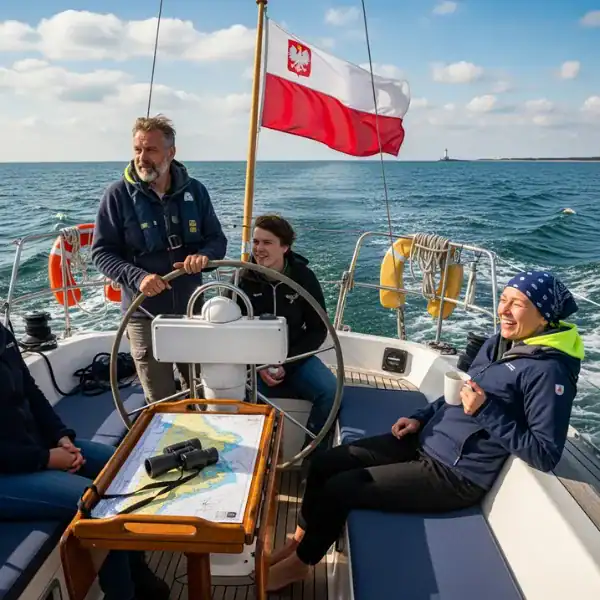
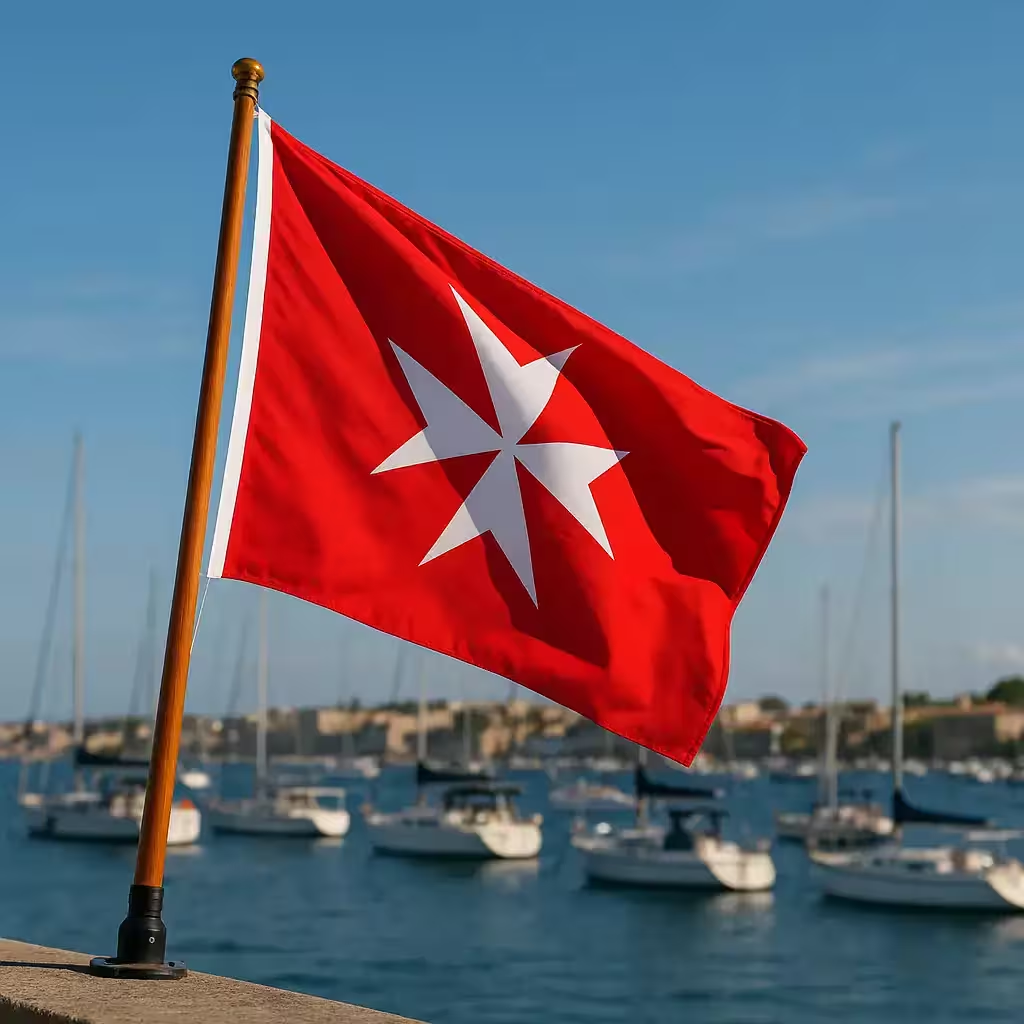
Flag state compliance is more than just hoisting the correct flag. It ensures your yacht abides by the laws of the country you register with. These rules can affect everything from safety standards to taxation.
Flag states have specific requirements. For example, some demand regular inspections to maintain safety standards. By meeting these requirements, you avoid potential fines and ensure your yacht’s operations aren’t interrupted. Understanding these laws is crucial to smooth sailing and maintaining a good standing internationally.
Read more about how flag state compliance is simplified for yacht owners like you.
Registration and Certification Essentials

Once you grasp the basics, diving into the specifics of registration and certification is essential.
Yacht Registration Process
Registering your yacht is the first step toward legal compliance. The process might vary across jurisdictions but generally involves several key steps. First, gather necessary documents, such as the bill of sale and tonnage certificate. Then, decide on a flag state, considering factors like cost and regulations.
Once you’ve selected a flag, submit your documents for review. Some countries offer fast-track services, streamlining the process. It’s vital to choose the right registry for your needs. A proper registry can offer better legal protection and lower fees. Remember, registration isn’t just paperwork; it’s about securing your yacht’s future.
Importance of Crew Certification STCW
Crew certification, specifically the STCW (Standards of Training, Certification, and Watchkeeping), is non-negotiable. It ensures your crew is trained and competent to handle various scenarios on board. This certification covers essential safety skills, firefighting, and emergency protocols.
Having certified crew offers peace of mind. It assures you that in any situation, your team is prepared. Without this, you’re risking not only your vessel’s safety but also that of your crew and your reputation. Investing in training is investing in your yacht’s smooth operation.
For deeper insights, explore the importance of crew certification and compliance.
Securing MMSI and Radio License
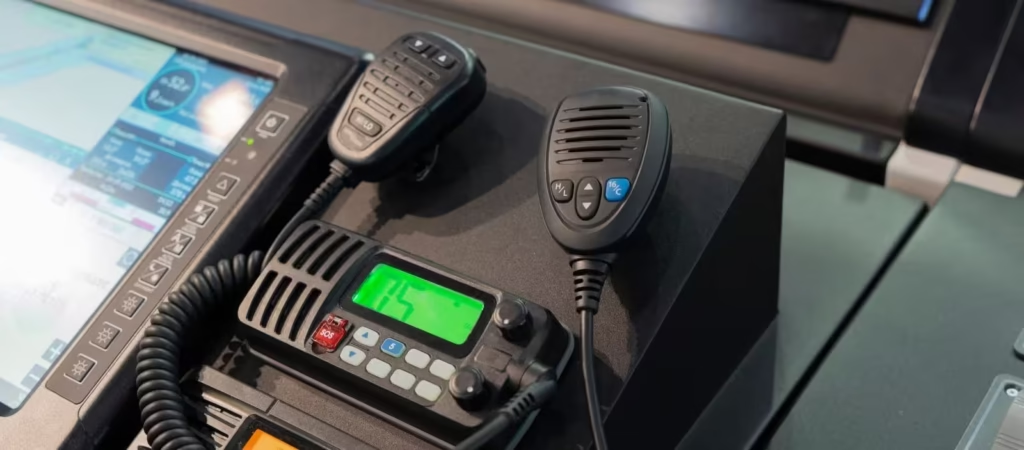
Communication is key when at sea. An MMSI (Maritime Mobile Service Identity) number and a radio license ensure you can reach out for help when needed. This setup allows you to communicate with coast guards and other vessels efficiently.
To get these, you’ll need to apply through your chosen flag state. The process includes providing vessel information and proof of registration. Having reliable communication tools is more than convenience; it’s a critical safety measure. In emergencies, quick communication can make all the difference.
Safety, Insurance, and Environmental Standards

Beyond registration and certification, maintaining safety and adhering to environmental standards are crucial.
Implementing Yacht Safety Management
Safety management on a yacht is about creating a culture of constant awareness. This includes regular drills and checks to ensure all safety equipment is functional. From life jackets to fire extinguishers, everything needs to be in top condition.
A well-implemented safety management plan can prevent mishaps and ensure that everyone on board knows their role during an emergency. It’s not just about having equipment but ensuring it’s used correctly. Most people think it’s all about gadgets, but human readiness is equally important. Understand more about yacht safety compliance.
Aligning Yacht Insurance Coverage
Choosing the right insurance for your yacht is like choosing armor. It protects against unforeseen events, from accidents to theft. Insurance should cover not just the vessel but also liabilities and environmental damages.
Review your policy regularly. Ensure it covers current needs and any new areas you plan to sail. Some policies offer worldwide coverage, which might be beneficial depending on your sailing habits. An informed choice in insurance ensures peace of mind and financial security.
Ensuring MARPOL Compliance
MARPOL (International Convention for the Prevention of Pollution from Ships) compliance is about protecting our oceans. This includes managing waste and preventing oil spills. Adhering to these regulations is not just legal; it’s an ethical obligation to our planet.
Yacht owners must understand how to properly dispose of waste and manage onboard systems to prevent pollution. By following MARPOL standards, you contribute to a cleaner ocean and avoid hefty fines. It’s a small effort for a big cause.
For a comprehensive understanding of compliance, check out this complete guide on yacht compliance.
A well-rounded approach to yacht compliance ensures a seamless, enjoyable yachting experience. By focusing on each area, from documentation to environmental standards, you protect your investment and enjoy the freedom of the seas with confidence.
Discover how Vessel Flag’s approach delivers unmatched yacht management results.